Blogs

3 06, 2022

What Are Some Signs Of An Underactive Thyroid?

2022-06-28T16:35:06+00:00

Your body is made up of many different systems, including the nervous system, endocrine system, and immune system. Each system has its own set of organs and glands, which work together to keep the body healthy.

One such gland is the thyroid gland. Your thyroid gland is a butterfly-shaped gland in your neck that makes hormones that control how fast your body uses energy, how it uses proteins and fats, and how it stores these nutrients. Thyroid hormones also affect brain development, heart function, and bone strength.

What Are Some Signs Of An Underactive Thyroid?

Source: VectorStock

Hypothyroidism is a condition in which the thyroid gland does not produce enough of certain key hormones (known as thyroxine and triiodothyronine), which help regulate metabolism. Some of the most common symptoms include hair loss, feeling tired, weight gain, and depression.

If you notice that your hair is thinning or shedding easily, or if you feel unusually tired even after a good night’s sleep, then it may be time for your next test. If the diagnosis is hypothyroidism, you should also check for other common symptoms.

What Is An Underactive Thyroid?

Underactive thyroid (hypothyroidism) is a condition that occurs when your thyroid gland doesn’t make enough thyroid hormone. Thyroid hormone is important for good health because it helps control how your body uses energy, makes proteins, and controls how sensitive your body is to other hormones.

If you have an underactive thyroid, you may feel tired and gain weight. You may also have trouble concentrating, or your skin and hair may look pale and thin.

In most cases, hypothyroidism can be treated with daily doses of synthetic thyroid hormones. However, some people need to take these medications for life.

Causes Of Underactive Thyroid

Causes Of Underactive Thyroid

Source: VectorStock

An underactive thyroid can be caused by several things, such as:

1. Hashimoto’s Disease (Autoimmune)

It is a gradual destruction of the thyroid gland that results from antibodies attacking its cells.

2. Infections

Infections such as mononucleosis or strep throat can affect the thyroid gland and cause it to become underactive. Viral infections are more common in children than adults.

3. Cancer Treatment

Cancer treatment is also another cause of hypothyroidism. During cancer treatments, the radioactive iodine therapy damages the thyroid gland, which leads to lower levels of thyroid hormone.

4. Iodine Deficiency

A lack of iodine in your diet can cause hypothyroidism. If you don’t have enough iodine in your diet, your body will be unable to produce the T4 hormone needed for the proper functioning of your thyroid gland and other organs such as your brain and heart muscle. Iodine deficiency is rare in developed countries because iodized salt has been added since 1924 to table salt.

Signs And Symptoms Of An Underactive Thyroid

Signs And Symptoms Of An Underactive Thyroid

Source: VectorStock

The signs and symptoms of hyperthyroidism vary from person to person. Some people may have only mild symptoms, while others may have severe symptoms that affect their daily lives. If you have an underactive thyroid, you may have some or all of these symptoms:

1. Fast Heart Rate (Tachycardia)

Fast heart rate (tachycardia) can be a symptom of hypothyroidism because the thyroid hormone helps keep your heart rate steady. If you have hypothyroidism and your heart is beating too fast, you may feel faint or dizzy because it’s not getting enough oxygen-rich blood.

2. Anxiety And Irritability

Anxiety and irritability are two common symptoms of hypothyroidism. They may also occur with other conditions and are not specific to low thyroid levels. However, they are more likely to occur in people who have hypothyroidism than those who don’t.

3. Heat Intolerance

Heat intolerance is when your body has trouble regulating its temperature in response to hot or cold temperatures — or both. Some people with hypothyroidism may feel their body temperature rising during exercise or when they’re in a room with a high-temperature setting.

4. Pain In Your Joints And Muscles, Especially In The Neck Area

Pain in your joints and muscles is a common symptom. The pain can be mild or severe and may be accompanied by stiffness or tenderness. It can be caused by many things, but as an underactive thyroid is one of them, it is important that you speak to your doctor about any pain that you may be experiencing.

5. Feeling Cold All The Time (Especially Hands And Feet)

If you have hypothyroidism (underactive thyroid), you may feel cold all the time. This is because your body isn’t producing enough heat to keep you warm. However, it’s important to remember that hypothyroidism is only one of many possible causes of feeling cold all the time. 

6. Loss Of Appetite

This means that food intake cannot be regulated properly, and the patient may experience hunger pangs even when their stomach is empty. The patient may also feel nauseous if they eat too much at once or if they eat too fast.

7. Dry Skin And Brittle Nails

People with hypothyroidism usually have dry skin and brittle nails. Dry skin can be itchy or tingle and may crack or peel. Brittle nails can be thickened or split.

8. Constipation And Heartburn

Constipation may cause you to notice changes in your bowel movements. Your digestive system may have trouble absorbing nutrients and fluid from foods, so it can take longer for food to move through the intestines and colon (large intestine).

9. Unexplained Weight Gain Or Weight Loss

Weight gain is more common than weight loss with an underactive thyroid. In fact, up to 80% of people with hypothyroidism gain weight. It’s thought that this is because the body burns fewer calories when it doesn’t have enough thyroid hormone.

10. Fatigue And Weakness

An underactive thyroid can make you feel tired, weak, and fatigued. You may have trouble getting out of bed in the morning and have low energy throughout the day. You may also have trouble thinking clearly or concentrating on anything other than what’s directly in front of you.

11. Tremors In The Hands And Feet

These movements are seen in a rhythmic manner, such as when you would tap your foot while waiting for something. The tremor may be more noticeable when you’re trying to perform a task that requires fine motor skills (such as writing) or during stressful situations (such as public speaking). Tremors may be worse at night or when you’re tired.

12. Frequent Bowel Movements Or Diarrhea

It may be due to inappropriate secretion of gastrointestinal hormones or malabsorption. The frequent bowel movements can also be caused by poor diet, gluten intolerance, and irritable bowel syndrome (IBS).

13. Sore Throat, Hoarseness, Or Husky Voice

A sore throat is usually the first sign of an underactive thyroid. This is because the thyroid gland plays a role in producing saliva. In fact, one study found that more than 60% of people with hypothyroidism had frequent sore throats.

14. Muscle Cramps

Muscle cramps can occur in any muscle group but are particularly common in the calves, thighs, arms, and behind the knee. They are often accompanied by tenderness on pressure, which is not painful when you stretch the muscle. 

15. Sluggishness (Lethargy)

If you have a sluggish feeling in your body, you may be suffering from hypothyroidism, which is why it doesn’t produce enough hormones to regulate your metabolism. It’s important to treat hypothyroidism early on to avoid complications such as heart disease, obesity, and infertility.

Conclusion & Takeaway

subclinical hypothyroidism

Source: VectorStock

Constantly feeling tired, dry skin, and brittle nails. There are many symptoms that you can look out for. Make sure you take note of what they are, so if you or someone you know has them, you can ask a doctor.

See your doctor if you have symptoms of hypothyroidism and they don’t go away on their own. Your doctor can check your thyroid function with a blood test called TSH (thyroid-stimulating hormone). If you have normal levels of TSH but other signs or symptoms of hypothyroidism, you may be diagnosed with subclinical hypothyroidism.

If you have subclinical hypothyroidism, taking levothyroxine replacement therapy will help relieve symptoms and prevent complications from developing.

What Are Some Signs Of An Underactive Thyroid?2022-06-28T16:35:06+00:00
3 06, 2022

Osteoporosis: Symptoms, Causes, Tests & Treatment

2022-10-14T15:47:51+00:00

Osteoporosis

Source: Sapnamed

Osteoporosis is one of the most common diseases in women, affecting approximately 8 million people worldwide. Osteoporosis has several causes and symptoms, but it can be detected early with proper diagnosis and treatment.

Although there are several factors that contribute to the progression of bone loss, only one factor has been the most studied: age. Osteoporosis is more common with age, and although it can occur at any time in life, there seems to be a specific peak between 30 and 60 years of age.

Currently, there is no effective treatment for osteoporosis, and many people with this disease die from it. There are several treatments that can be used to help the body fight the effects of osteoporosis, but they are often not successful.

What Is Osteoporosis?

Osteoporosis is a disease in which the bones are not able to support the weight of the body. It results from an imbalance of calcium and phosphorus in the body. This can result in the bones becoming weak, making them more prone to fracture. These fractures may cause serious injuries.

Stages of Osteoporosis

Source: Sapnamed

Osteoporosis affects the bones, muscles, and cartilage of the body. It can result in fractures, dislocations, and even death. It appears as the bones become more brittle, and the skin becomes thin. You can treat osteoporosis by taking care of your diet, exercising regularly, and eating a balanced diet. There are also some supplements that may be helpful. Osteoporosis is caused by loss of bone mass due to a lack of calcium in the diet (calcium is the mineral that makes up the bones).

The main symptoms are pain, swelling, stiffness in the joints, and weakness in the muscles. Many people with osteoporosis describe feeling tired, weak, and having difficulty doing everyday activities. If you want to find out more about how your body works, your doctor can perform a physical examination. You may also ask to see one of our other doctors if you are concerned about something else related to your health.

What Are The Types Of Osteoporosis?

Osteoporosis is a condition in which the bones lose their ability to support the weight of the body. It is caused by a genetic predisposition to osteopenia (bone loss). There are several types of osteoporosis:

1. Primary Osteoporosis

Primary osteoporosis is the most common type. This condition can be caused by a faulty gene. It usually begins before age 40 and lasts for life. Symptoms include thinning of bones, reduced strength, and brittle fractures that can occur at any time, from minor accidents to surgery or fall from a height.

2. Secondary Osteoporosis

Secondary osteoporosis is caused by the gradual wear of bones as a result of disuse. Symptoms include thinning of the bones and loss of bone strength. This type can be seen in people who have not yet reached their 40s and 50s. Fractures can also cause secondary osteoporosis but are not as common when compared to primary types since fractures do not increase bone density.

3. Metabolic Osteoporosis

Metabolic osteoporosis is caused by the inability to manufacture or release enough bone. It can be caused by genetic predisposition and poor diet. Symptoms include loss of strength and brittle fractures that can occur at any time, from minor accidents to surgery or fall from a height.

4. Acquired Osteoporosis

The final type of osteoporosis is called Acquired Osteoporosis. It is caused by the weakening of bones due to an injury or disease. This type only occurs in people who have had previous bone loss, and it is more common in postmenopausal women. Acquired osteoporosis most commonly affects the hips and spine but can affect any bone within the body.

What Are The Symptoms Of Osteoporosis?

Symptoms Of Osteoporosis

Source: Sapnamed

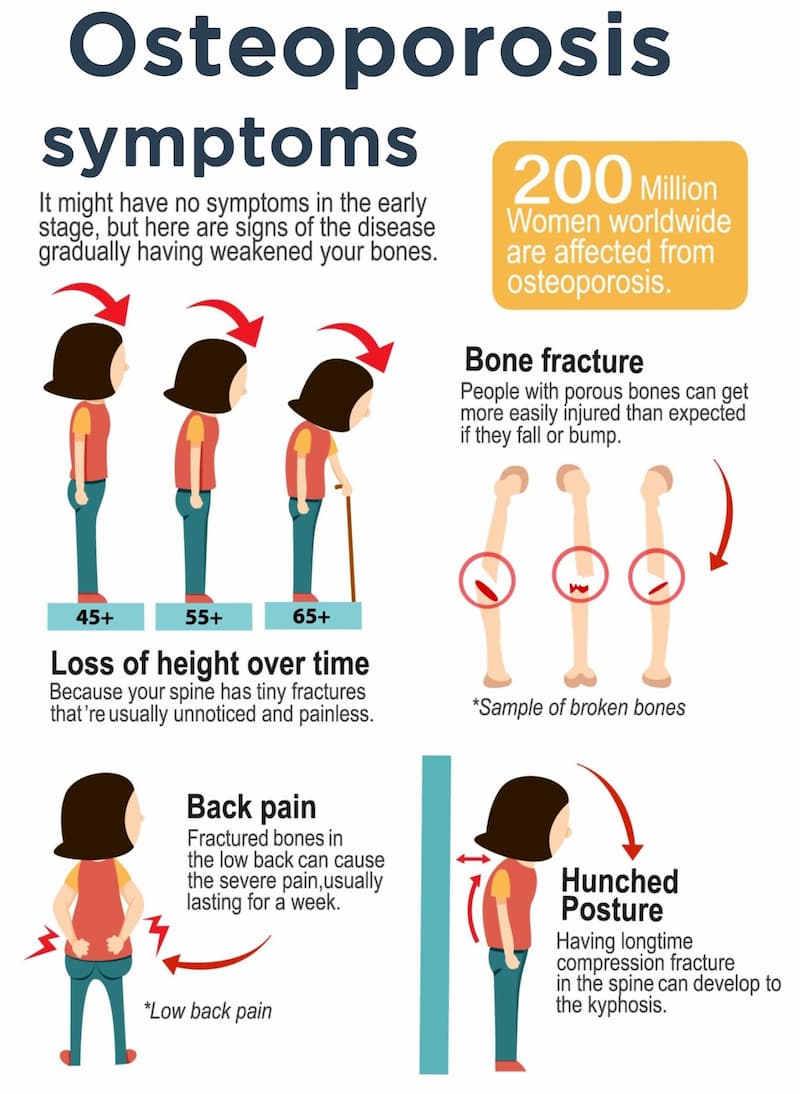
The most common symptom of osteoporosis is bone pain. The bones become thin and brittle, so they can break easily. The symptoms of osteoporosis vary depending on how severe the disease is and how quickly it progresses. Some people may not have any symptoms until they fracture a bone in an accident or fall, but there are some symptoms associated with the disease:

  • Loss of height as a result of compression fracture (a broken bone) of the vertebrae (the bones in your spine). This occurs when one or more vertebrae collapse and cause you to lose height.
  • Pain in the back, hips, or ribs due to osteoporotic compression fractures. These can happen suddenly (acute) or develop over time (chronic).
  • Bent fingers or knuckles due to osteoarthritis in the joints caused by osteoporosis. This can make it hard to hold objects like a pen or pencil.
  • Difficulty getting up from a chair because of weakened muscles and ligaments caused by osteoporosis in the legs and pelvis.
  • Fractures that occur as a result of minor falls (for example, a broken wrist after falling down)

What Are The Main Causes Of Osteoporosis?

Causes Of Osteoporosis

Source: ecosh

Osteoporosis can happen when you least expect it — while bending over, lifting something heavy, or even just getting out of bed in the morning.

There are many causes of osteoporosis, including:

  • Age-related decrease in estrogen levels after menopause
  • Genetic predisposition
  • Low body weight or lack of exercise (especially if you’re overweight)
  • Family history of osteoporosis
  • Long-term use of certain medications such as corticosteroids (prednisone), anticonvulsants (phenytoin), and antacids.
  • Medical conditions (such as other endocrine and hormonal diseases, rheumatoid arthritis, gastrointestinal diseases, specific types of cancer, anorexia nervosa, and HIV/AIDS.)
  • Hormones
  • Inflammation
  • Emotional stress 
  • Caffeine 
  • Oxidation 
  • Alcohol
  • Animal protein
  • Salt
  • Soft drink 
  • Smoking
  • No physical activity

Osteoporosis Fractures

A fracture is when a bone breaks or cracks. The most common type of fracture is from a fall or other trauma, such as being hit by a car or falling off a ladder. But some people have osteoporosis fractures without having any history of falls or injuries.

Osteoporosis Fractures

Source: The New York Times

When someone has an osteoporosis fracture, they may have pain in their hip or back or have trouble moving around because of the pain. They also might have broken fingers or toes (called “bruised bones”).

Osteoporosis fractures happen most often in the spine (spinal fractures), hips (hip fractures), and wrist/ankles/feet (foot/ankle fractures).

Types Of Osteoporosis Fractures

Osteoporosis fractures often occur in weight-bearing bones, such as hips and legs. The most common types of osteoporosis fractures are:

1. Hip Fractures

Hip fractures are common among older adults with osteoporosis and can result in significant disability and even death if not treated properly. Hip fractures often happen when an elderly person falls while walking or climbing stairs. Hip fractures are also more likely to result in death when they occur in people who have other medical conditions such as heart disease, lung disease, kidney failure, or dementia.

2. Vertebral Compression Fractures

A vertebral compression fracture is caused when the bones in the spine are weakened by osteoporosis. This can happen in any area of your spine, but it most commonly happens in the lower back (lumbar spine). When you have a vertebral compression fracture, the bone collapses and puts pressure on the nerves inside your spinal cord. This can cause pain, numbness, or weakness in your legs.

3. Femur Fractures

Femur (thigh bone) fractures are generally caused by a fall or a direct blow to the hipbone. A femur fracture occurs when the thighbone breaks in two or more places, causing severe pain and difficulty walking. A broken femur is a serious injury that requires immediate medical attention for proper treatment and recovery.

Symptoms Of Osteoporosis Fractures

Osteoporosis fractures occur most often in the spine, wrist, and hip. The following are some of the symptoms of osteoporosis fractures:

  • Back pain. Back pain is a common symptom of osteoporosis fractures. The pain may be sudden or gradual and can range from mild to severe.
  • Pain in your arms and legs. Pain in your arms and legs can be caused by compression fractures, which happen when compression forces cause the vertebrae to collapse.
  • Changes in your walking pattern. You may notice that you have trouble climbing stairs or getting out of chairs because of changes to your walking pattern or balance.
  • Severe back pain or frequent falls may indicate an emergency situation where immediate medical attention is needed — such as a spinal cord injury caused by a compression fracture that affects nerve function or causes paralysis.
  • Unexplained bone pain, such as pain in the hips, ribs, or shoulders and unexplained numbness in hands or feet

Causes Of Osteoporosis Fractures

There are several known causes of osteoporosis fractures, including:

  • Thin bones from childhood or adolescence.
  • Low estrogen levels after menopause.
  • Aging process as you get older.

How To Avoid Osteoporosis Fractures

How To Avoid Osteoporosis Fractures

Source: Verywell

The National Osteoporotic Foundation recommends these steps to prevent osteoporosis fractures:

  • Take calcium and vitamin D supplements if you don’t get enough from your diet or sunlight — they’re especially important if you’re over 50 years old or have low body weight or slow metabolism.
  • Exercise regularly — aerobic exercise helps boost bone density, while weight-bearing exercises help build strong muscles to support your bones.
  • Don’t smoke because it lowers blood levels of vitamin D and increases your risk for fractures. Also, avoid excessive alcohol intake because it can increase your risk for falls and fractures by impairing balance and coordination.
  • Avoid medications that cause increased calcium loss from the body, such as corticosteroids (often used to treat inflammatory diseases like asthma) or antiseizure medications (such as phenytoin).

Tests Used To Diagnose Osteoporosis

There are several tests that can be used to diagnose osteoporosis. The most common test is a DEXA scan.

1. DEXA Scan (Dual-Energy X-Ray Absorptiometry)

This is a special X-ray that measures bone density in the hip and spine. A DEXA scan may be recommended if you have risk factors for osteoporosis, such as being postmenopausal or having a family history of the disease.

DEXA Scan

Source: iStock

Other tests include:

2. Blood Tests

These include tests to check your vitamin D levels and make sure you don’t have other diseases that could increase your risk of osteoporosis. Your doctor may also order blood tests to check your kidney function and thyroid gland function.

3. Bone Density Test

This test measures how much calcium is in your bones by using X-rays. You’ll lie still on a table while two X-ray machines shoot two beams at you from different angles. The machine then measures how much light is absorbed by your bones and sends the results to a computer program that calculates your bone density score based on this data.

Surgical And Non-Surgical Osteoporosis Treatments

There are two types of treatment for osteoporosis: non-surgical treatments and surgical treatments.

Surgical And Non-Surgical Osteoporosis Treatments

Source: iStock

Surgical treatments include hip replacement surgery, spinal fusion surgery, vertebroplasty (a procedure that injects cement into fractured vertebrae), and more. Surgical treatment can be classified as minimally invasive procedures and traditional open surgeries.

a. Minimally Invasive Procedures

1. Minimally Invasive Spinal Fusion

A spinal fusion is used to fuse together two vertebrae in order to stop movement between them. This prevents stress on spinal discs and helps relieve pressure on nerves exiting through the spine. The procedure involves removing bone from one vertebra and placing it on another vertebra in order to bond them together permanently.

2. Minimally Invasive Hip Surgery

Minimally invasive hip surgery involves making smaller incisions than traditional open surgeries, so there are fewer scars and less post-operative pain associated with these procedures.

3. Lumbar Decompression With Instrumentation (LDI)

LDI is a minimally invasive procedure designed to decompress the lumbar spine by removing bone spurs from the vertebral bodies (the bone that makes up the spine). This procedure can relieve pressure on nerves exiting from your lower back and help prevent future nerve compression or damage due to arthritis or osteoporosis.

b. Traditional Open Surgeries

1. Vertebroplasty

During a vertebroplasty, a needle is inserted into the vertebra where it meets the spinal cord. A fluid known as cement is then injected into the damaged bone. In this way, the damaged bone is strengthened and stabilized while giving you pain relief.

2. Kyphoplasty

Kyphoplasty (pronounced: ky-foe’ plas-tee) is similar to vertebroplasty, but instead of injecting cement into the vertebra, a balloon-like device is placed inside the damaged part of the vertebra and inflated with compressed gas or liquid. The balloon expands within the cavity of the vertebra, creating more space for blood flow within the body and strengthening bones from the inside out.

3. Bone Grafting

Bone grafting involves taking bone from another part of your body (such as your hips) and inserting it into your vertebrae to strengthen them. Bone grafting may be done if one or more vertebrae have collapsed due to osteoporosis-related fractures or if an infection has infected your vertebrae and caused them to collapse.

4. Arthroplasty (Total Hip Replacement)

Arthroplasty is a surgical procedure in which the diseased joint surface is removed and replaced with an artificial joint. The goal of arthroplasty is to relieve pain, improve mobility, and return function to normal. There are several types of hip joint replacement surgery available. Your doctor will discuss the options that are best suited to your situation.

5. Knee Replacement Surgery

Knee replacement surgery may be appropriate for patients who have severe osteoarthritis of the knee joint. Knee replacement surgery involves removing all or part of the knee joint and replacing it with an artificial joint made of metal and plastic parts that fit together like puzzle pieces to form a smooth ball-and-socket joint. The new joint allows more movement than an arthritic knee does, which improves walking ability and reduces pain from arthritis.

6. Spinal Cord Stimulation (SCS) 

This procedure involves placing an electrode into the epidural space around the spinal cord, which delivers electrical pulses through a battery pack implanted under the patient’s skin. The electrical pulses block pain signals from traveling up to the brain and can help reduce symptoms like leg pain and weakness associated with spinal stenosis.

Non-surgical treatments include medications such as bisphosphonates, hormone therapy, and corticosteroids, which help prevent further bone loss or increase bone density. Non-surgical treatments can be categorized as:

  1. Weight-bearing exercises
  2. Calcium and vitamin D supplements
  3. Hormonal therapy (I’m talking about estrogen)

Other non-surgical treatments include:

4. Bracing

Braces will help prevent falls by providing support for weak bones in the spine and lower limbs. Your doctor will determine if bracing is right for you based on your specific needs and limitations.

5. Medications

Medications such as bisphosphonates and raloxifene (Evista) work by reducing bone loss and stimulating new bone formation by helping build strong, dense bones. Bisphosphonates include alendronate (Fosamax), risedronate (Actonel), ibandronate (Boniva), and zoledronic acid (Reclast). 

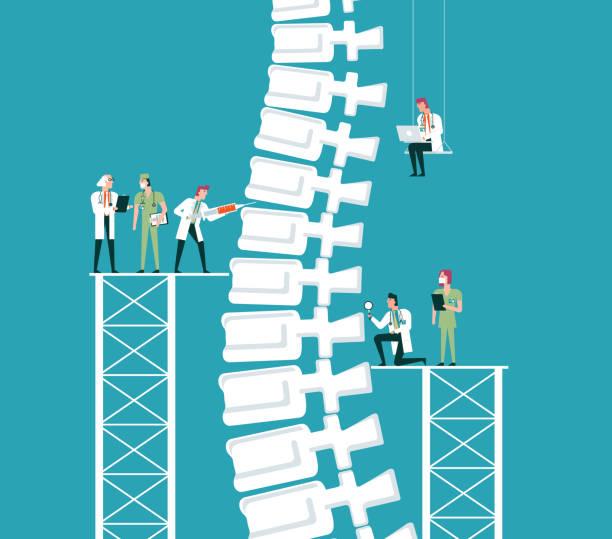
Preventing Osteoporosis Without Medication

Preventing Osteoporosis Without Medication

Source: VectorStock

The good news is that there are many ways to prevent osteoporosis without taking drugs:

  • Eat a healthy diet
  • Eat calcium-rich foods like milk products, tofu, and dark leafy greens.
  • Exercise regularly and maintain a healthy weight.
  • Get enough sleep
  • Take breaks from sitting down (Standing up every hour or so can help reduce these problems).
  • Don’t smoke cigarettes or use other tobacco products (including chewing tobacco).
  • Avoid excessive alcohol consumption (more than two drinks per day).

Conclusion & Takeaway

Your bones are living tissue that needs fresh blood flow to stay healthy. As you age, your bone cells may not get enough nutrients or oxygen through the blood vessels that supply them. This can lead to weak, brittle bones.

Osteoporosis is a disease that makes bones weaker and more likely to break. Over time, it can make daily tasks like walking or climbing stairs difficult.

The good news is that osteoporosis can be prevented. And if you already have it, there are ways to manage your symptoms and keep active with less pain. Visit our website to book your appointment with us.

Osteoporosis: Symptoms, Causes, Tests & Treatment2022-10-14T15:47:51+00:00
26 05, 2022

What Are Some Effective Home Remedies To Cure PCOS/PCOD?

2022-10-14T15:58:40+00:00
PCOS/PCOD

Source: VectorStock

PCOS/PCOD is a deadly disease that affects women of childbearing age. It is characterized by irregular periods and infertility. The symptoms are similar to menopause, but they occur at a younger age.

The main cause of PCOS/PCOD is an imbalance between the levels of androgens (male sex hormones) and estrogens (female sex hormones). These hormones vary in women, depending on their body composition, age, diet, lifestyle, etc.

There are many possible treatments for this disease, but none have been proven effective in curing it completely. The main treatment for PCOS/PCOD is drugs that increase or decrease male sex hormones or estrogen levels. These drugs are called female hormone pills because they help the body balance the levels of these hormones.

But other than the medical treatments, are there any home remedies to cure PCOS/PCOD? The answer is YES!

The article will highlight some home remedies to cure PCOS/PCOD. The article would also provide you with some causes and symptoms of PCOS/PCOD so it can get easy for you to detect the disease.

What Is Polycystic Ovarian Syndrome/Disease?

Polycystic ovary syndrome is a genetic disease that affects the ovaries. It is characterized by excess and irregular production of the hormone estrogen. As a result, the number of eggs produced by the ovaries increases, but not all of them are fertilized. This condition usually appears during puberty, although it can also occur later in life.

Causes Of PCOS/PCOD

Source: Mayo Foundation For Medical Education And Research 

Several years ago, there was a time when PCOS was considered to be a “women’s disease”, but now, PCOS/PCOD is a common disorder in the female reproductive system. It has been reported that up to 40% of women have PCOS. There are several reasons for this change. It is also not uncommon for women to have irregular periods even if they are not on birth control pills or other hormonal treatments or surgeries.

What Are Causes & Symptoms Of PCOS/PCOD?

Causes Of PCOS/PCOD

Causes Of PCOS/PCOD

Source: VectorStock

The causes of PCOS/PCOD vary from woman to woman, but the disease is mostly inherited. Some other related causes can include:

  • Low-grade inflammation
  • Lifestyle choices
  • Insulin resistance
  • Overweight and obesity
  • Stress and anxiety
  • Genetics
  • Hormone imbalance
    • Raised levels of testosterone
    • Raised levels of luteinizing hormone (L.H.)
    • Low levels of sex hormone-binding globulin (SHBG)
    • Raised levels of prolactin

Symptoms Of PCOS/PCOD

Symptoms Of PCOS/PCOD

Source: VectorStock

The symptoms of PCOS/PCOD are usually very characteristic and can be seen through:

  • Irregular menses
  • Sleep apnea
  • High-stress levels
  • High blood pressure
  • Excess androgen levels
  • Acne, oily skin, and dandruff
  • Excessive facial and body hair growth, known as hirsutism
  • Female pattern balding
  • Skin tags
  • Infertility 
  • Cyst on the ovary
  • High cholesterol and triglycerides
  • Acanthosis nigricans, or dark patches of skin
  • Fatigue 
  • Insulin resistance
  • Type 2 diabetes
  • Pelvic pain
  • Depression and anxiety
  • Weight management difficulties, including weight gain or difficulty losing weight
  • Decreased libido

It is a common condition among women in the western world. However, most women aren’t aware of the causes or symptoms of PCOS/PCOD.

What Are The Best Home Remedies To Cure PCOS/PCOD?

Various home remedies are known to cure PCOS/PCOD, including:

1. Aloe Vera

Best Home Remedies To Cure PCOS/PCOD

Source VectorStock

Aloe vera is a common home remedy that helps treat PCOS/PCOD by slowing down ovulation and increasing folic acid levels. You can take this remedy orally or apply it to your body externally. It varies from woman to woman, but it may also be used for a few months at once if needed. Usually, this remedy should be taken in the morning before consuming food.

2. Lemon Juice

Best Home Remedies To Cure PCOS/PCOD

Source VectorStock

Lemon juice is a good remedy for curing PCOS/PCOD, as it has curative properties and helps decrease the levels of excess sugar and insulin in your body. You can take the juice either on an empty stomach or in a glass with water.

3. Nutmeg

Best Home Remedies To Cure PCOS/PCOD

Source VectorStock

You may consume nutmeg to cure PCOS/PCOD, owing to its curative properties. It has been reported that the active ingredient of this spice is alanine and gamma-aminobutyric acid. This herb is proven to be effective in treating PC OS/PCOD.

4. Ginger

Best Home Remedies To Cure PCOS/PCOD

Source VectorStock

It is also known to cure PCOS/PCOD and reduce the symptoms of diabetes in women. You can use this space for a few weeks to treat this disease, then gradually reduce it till you heal completely.

5. Collagen

Best Home Remedies To Cure PCOS/PCOD

Source VectorStock

If your PCOS/PCOD is a sign of a skin disorder, then you must fix the problem as soon as possible. The collagen in the human body is a significant ingredient that helps regenerate skin and heals the scars of acne, sagging skin, wrinkles, and even treats burns.

6. Kelp

Best Home Remedies To Cure PCOS/PCOD

Source VectorStock

Kelp is also a good remedy for treating women with PCOS/PCOD. It can help reduce insulin levels and decrease sugar levels in your blood. It is also good for the bowel health of women.

7. Amla

Best Home Remedies To Cure PCOS/PCOD

Source VectorStock

Amla is a good remedy that helps treat skin disorders by reducing excess pigmentation and dark spots on the skin. It can also treat collagen deficiency and enhance blood circulation in your body.

These home remedies are effective to some extent but not 100% suitable for all women. Some of these remedies cause side effects that can be quite serious. Other methods, such as mother’s milk or breastfeeding, have also been reported to cure PCOS/PCOD. A recent study has shown a possible link between breastfeeding and PCOS/PCOD.

Most Common Home Remedy – Stopping Menstrual Cycle

Another common home remedy is stopping the menstrual cycle. This method involves taking a week off the menstrual cycle (the week of your last period). This period must be taken at least 3 months apart. For example, if you have had your first period on 14th July and your next menstruation on 13th September, you will want to take 3 months.

This method is usually effective only for some women. Some women develop multiple tummy tuck scars and other complications preventing breastfeeding. However, this method should not be used for all women as it may cause severe health problems for some women.

Some Other Ways To Treat PCOS/PCOD

Besides these home remedies, other ways can help you treat PCOS or reduce the symptoms. Here is a list:

1. Exercise

Ways To Treat PCOS/PCOD

Source VectorStock

The studies have not confirmed the exact effects of exercise on PCOS, but it can help women improve their health and decrease their symptoms. It is known that aerobic exercise positively affects sperm production in men. There are many other benefits for women, such as improved metabolism, reduced weight, and improved health.

2. Supplements

Ways To Treat PCOS/PCOD

Source VectorStock

Supplements are helpful for women with PCOS. Many of these supplements contain ingredients that can help you reduce PCOS symptoms and even reverse them. Some include omega 3s, vitamin D, resveratrol, and probiotics.

3. Probiotics

Ways To Treat PCOS/PCOD

Source VectorStock

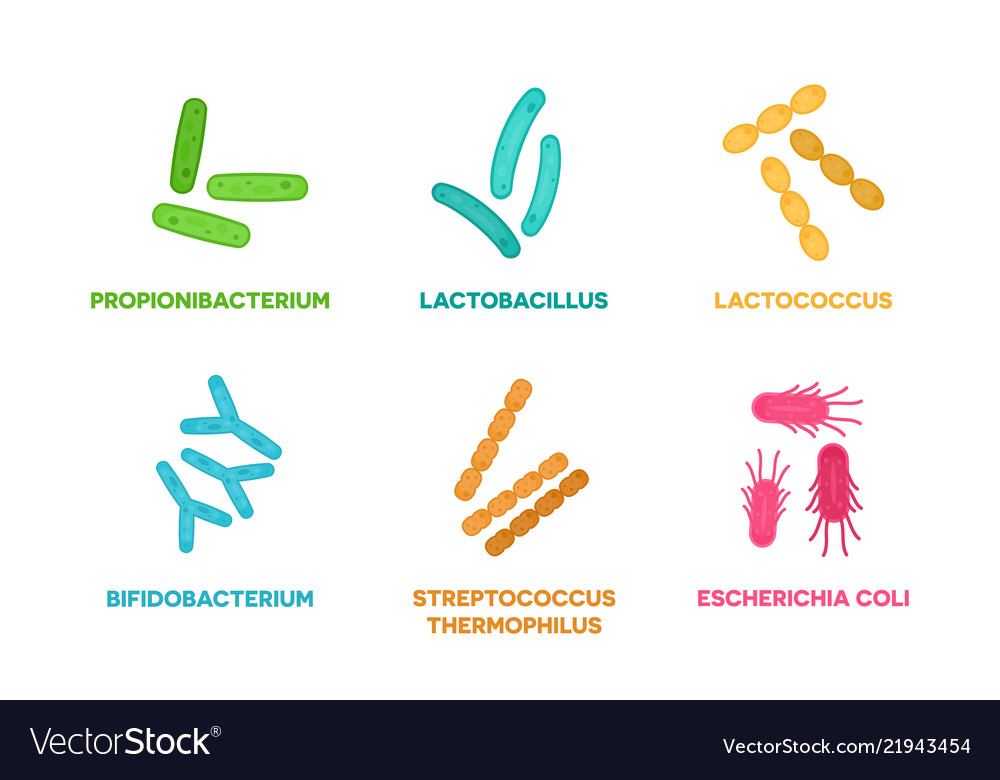
Probiotics are good for PCOS. Studies have shown that even if you take probiotic supplements, your body still has an immune system that can greatly help fight against PCOS. It is also known that probiotics contain a lot of different strains of bacteria, which help the body produce more hormones, including sex hormones.

4. Diet Changes

Ways To Treat PCOS/PCOD

Source VectorStock

Dieting has become a controversial topic for women with PCOS. Many studies suggest that diet can make things worse, especially when it comes to weight gain. But some studies support the idea that dieting can be beneficial. So, you should try to keep a balanced diet and if you need help, talk to your doctor or nutritionist.

5. CBD

Ways To Treat PCOS/PCOD

Source VectorStock

CBD is a very powerful ingredient that has been used in many different herbal formulas to treat diabetes and other metabolic issues. In addition, CBD may also help women with PCOS because it helps the body produce more of its sex hormones. So, you should talk to your doctor about CBD.

6. Stress Management

Ways To Treat PCOS/PCOD

Source VectorStock

Stress is one of the major causes of PCOS. So, you should try to manage your stress and make sure you do everything you can to prevent it from happening again. Try not to take it out on yourself because it makes things worse. Talking about stress with your doctor or nutritionist may help.

Does Home Remedies To Cure PCOS Increases The Chances Of Fertility?

PCOS is a complex hormonal disorder that affects millions of women worldwide. The female body breaks down the hormones from our food, so if we eat the wrong kind of food, we can have fertility issues and miscarriages.

Home Remedies To Cure PCOS Increases The Chances Of Fertility

Source VectorStock

Many factors can contribute to infertility, such as PCOS, obesity, low thyroid hormone, and high-stress levels. Moreover, women with PCOS are at higher risk of infertility. Did you know that a meta-analysis study has shown that home remedies can increase the chances of fertility? Home remedies do work, so why not try them? It is the best solution to increase fertility and prolong the life span.

Conclusion & Takeaway: 

In the past few years, there has been a lot of research and studies on the possible causes of PCOS and PCOD. These include hormonal imbalance and other factors such as stress.

Research shows that a combination of both may cause the symptoms of PCOS and PCOD. Combining these two factors may lead to reproductive problems like infertility or miscarriages.

So it is important to understand these conditions and how they can be treated properly. Also, we need to know what kind of treatment options are available to cure them effectively if we want to have healthy children in our future generations.

If you want a detailed consultation regarding Polycystic Ovarian Syndrome, you can visit our website Houston Endocrine Center to book an appointment with us. We are looking forward to serving you.

What Are Some Effective Home Remedies To Cure PCOS/PCOD?2022-10-14T15:58:40+00:00
24 05, 2022

Pituitary Gland: What It Is, Function & Anatomy

2022-05-24T18:31:49+00:00

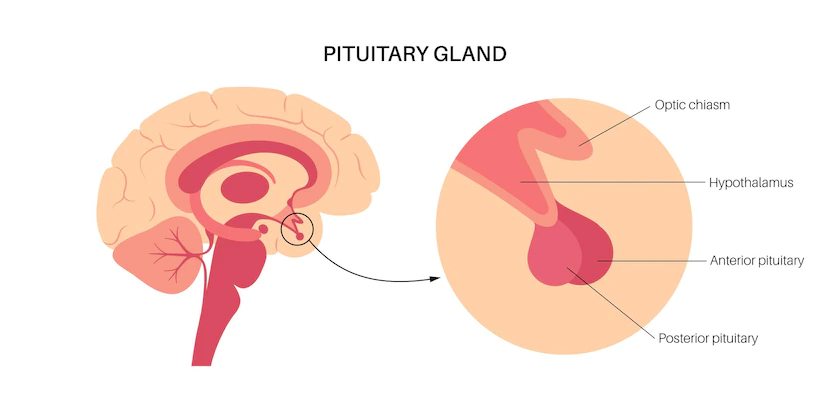
The Pituitary Gland is a pea-sized gland that lies at the base of the brain. It produces hormones that regulate many functions in the body. The Pituitary Gland is often referred to as the “Master Hormone” because it controls other endocrine glands and organs throughout the body.

Pituitary Gland

Source: Freepik


The Pituitary Gland has been linked to weight loss and other health issues such as depression and sexual function. The Pituitary Gland is responsible for a host of other body functions, including:


  • Regulating the release of different hormones into the bloodstream
  • Regulation of blood sugar levels
  • Controls how much sleep a person needs.


Let us learn in detail about what the pituitary gland is. This blog also sheds light on the functions and anatomy of the pituitary gland. So without any further delays, let us get started! 

What Is The Pituitary Gland?

The pituitary gland is a pea-sized organ that sits at the base of the brain. It releases hormones that control body functions like growth, metabolism, and reproduction. The most important hormone released by the pituitary gland is growth hormone (GH).


The release of GH triggers other hormones to be released as well. In addition to GH, the release of other hormones such as prolactin and thyroid-stimulating hormone (TSH) is also controlled by this gland.


The pituitary gland is made up of two hormones, neurohormones produced from the nerve cells of the brain and endocrine hormones produced in other tissues. The neurohormones released by the pituitary gland include GH, vasopressin, oxytocin, and prolactin. Other neurohormones are secreted by the hypothalamus and circulate in the body until they reach the pituitary gland. These hormones include TSH, ACTH, corticotropin-releasing hormone (CRH), and thyrotropin-releasing hormone (TRH).

What Does A Pituitary Gland Do?

The pituitary gland is a small gland in the brain that regulates many bodily functions such as growth, metabolism, reproduction, and sexual development. It is also responsible for secreting hormones that control other glands in the body, such as the thyroid, adrenal gland, and ovaries. Additionally, it secretes hormones that regulate the immune system and brain growth.


The function of the pituitary gland is to secrete hormones into the bloodstream that tell the other glands to release hormones. When the pituitary normally releases growth hormone, for example, it tells other glands such as the thyroid and adrenal glands to produce more stimulation to trigger growth.


The pituitary gland is also responsible for releasing antidiuretic hormone, which helps regulate the body’s water level. Without it, the body would often lose too much water and become dehydrated.

How Does The Pituitary Gland Work?

The pituitary gland controls many other organs in your body, including your thyroid and adrenal glands. The pituitary gland releases hormones into your bloodstream that regulate how these organs work, so the lack of a functioning pituitary gland can significantly impact your body. It has been estimated that less than 0.5% of people with hyperpituitarism have symptoms, so it is often difficult to diagnose.

Pituitary Gland Work

Source: Nagwa


The pituitary gland has three lobes, two anterior and one posterior (back) lobe. The anterior (front) lobe of the pituitary gland releases growth hormones and other hormones into the bloodstream, stimulating growth in children and young adults. The posterior lobe of the pituitary gland releases hormones that regulate metabolic functions and control other parts of the endocrine system.

The Function Of A Pituitary Gland – A Comprehensive Review

The pituitary gland produces hormones responsible for regulating growth, reproduction, and other functions. The pituitary gland has two parts:


  • The anterior lobe
  • The posterior lobe

Function Of A Pituitary Gland

Source: Nagwa

a. Anterior Lobe

The anterior lobe produces the following hormones:


  • Luteinizing hormone (LH)
  • Follicle-stimulating hormone (FSH)
  • Thyroid-stimulating hormone (TSH)


1. Luteinizing Hormone (LH)

Luteinizing hormone (LH) is a hormone produced by the hypothalamus in response to rising estrogen levels. Its production is suppressed by testosterone. It triggers ovulation, which allows for fertilization.

2. Follicle-Stimulating Hormone (FSH) 

Follicle-stimulating hormone (FSH) is produced by the anterior pituitary gland. FSH stimulates the growth of follicles in the ovaries, producing estrogen & progesterone.

3. Thyroid-Stimulating Hormone (TSH)

Thyroid-stimulating hormone (TSH) is a hormone secreted by the anterior pituitary gland. TSH signals the body to produce thyroid hormones and thyroxin, essential for proper metabolic functioning and growth. This hormone also regulates the metabolic rate and bone metabolism, helps maintain the function of the kidney, liver, and cardiovascular system regulates heart rate and constricts blood vessels.

b. Posterior Lobe

The posterior lobe produces three hormones:


  • Vasopressin
  • Prolactin
  • Oxytocin


1. Vasopressin 

Vasopressin is a hormone released from the brain to help control blood pressure. It has a variety of other functions, such as increased urine production, stimulating the appetite, and promoting water retention.

2. Prolactin

Prolactin is a hormone produced by the pituitary gland that helps produce breast milk. It is responsible for stimulating lactation and promoting the growth of uterine fibroblasts, which are cells that produce collagen.

3. Oxytocin

For a long time, researchers and scientists believed that the hormone oxytocin would help with one thing: reproduction. This hormone has been associated with emotional bonding, which is necessary for reproduction. But new research has shown that oxytocin is capable of much more than just being used as a partner in reproduction; it can trigger the release of dopamine, which makes people feel good.

Anatomy Of The Pituitary Gland – Exploring Its Structure

Anatomy Of The Pituitary Gland

Source: OpenStax


The structure of a pituitary gland can vary depending on its location in the body, but most are made up of three parts:


  • A capsule
  • An outer layer called a tunica albuginea
  • A central core or cell mass called a pars distalis.


1. Capsule

The capsule surrounds the tunica albuginea and contains many small glands called the infundibular cells. These cells make up a tubule system that releases hormones into the body via tiny channels called adenohypophysial (AH) ducts.

2. Tunica Albuginea

The tunica albuginea is a thin layer of tough fibrous tissue surrounding the trabecular meshwork’s outer edge. This meshwork is a network of tiny blood vessels in the cornea and provides nutrition.

3. Pars Distalis

A pars distalis is a thin membrane spanning the length of the right side of the brain, separating the cerebrum from the cerebellum. It acts as a barrier to prevent cerebrospinal fluid from flowing into the space between these two structures.


The cell mass is divided into an anterior lobe and a posterior lobe. The anterior lobe makes up the majority of the weight of the gland and is made up of tightly packed cells that produce hormones. The posterior lobe has a thinner cell mass and is responsible for secreting pituitary hormones into the bloodstream.


The anterior lobe has two segments:

  • A plexiform layer
  • An ectopic layer


1. Plexiform Layer

The plexiform layer is composed of many small finger-like projections rich in nerve endings. It is responsible for hormone release into the bloodstream.

2. Ectopic Layer

The ectopic layer has ducts for hormone release. It is responsible for releasing hormones into the capillary portal system.


The posterior lobe also has two segments:

  • An ectosome
  • A neurosecretory layer


1. Ectosome

An ectosome is a sac-like structure that produces hormones. The neurosecretory layer has many small projections called “ganglia” that contain secretory granules. These granules release the hormones into the capillary portal system.

2. Neurosecretory Layer

The neurosecretory layer is located at the top of the posterior lobe and contains many blood vessels. The blood vessels supply nutrients to the cells of this layer, which produce hormones in the bloodstream.

Pituitary Gland And Weight Loss – Benefits & Side Effects

It is not surprising that people lose weight when they have a malfunctioning pituitary gland. It can be a symptom of a range of diseases that affect the pituitary gland and lead to other problems, such as diabetes, hypothyroidism, and adrenal gland disorders.

Pituitary Gland And Weight Loss

Source: Byjus


In the view of some experts, overeating and obesity are caused by a malfunctioning pituitary gland. As the gland compensates for hormone deficiencies, it makes people crave high-fat foods like butter and cream. Pituitary gland problems can cause a range of symptoms. 


These include:

  • Shortness of breath
  • Feeling faint or dizzy
  • Low blood pressure
  • Fatigue


The weight loss benefits are not just limited to your waistline but also include:


  • Improvements in your mood
  • Energy levels
  • Sleep quality
  • Sexual health


However, there are some side effects that you need to be aware of before you start losing weight. Some of the health issues that may occur during weight loss are:


  • Decreased appetite
  • Infection
  • Skin conditions due to excessive sweating
  • Dehydration
  • Constipation
  • Headaches
  • Migraines

Why Your Pituitary Gland Struggles To Make You Lose Weight?

The Pituitary Gland is the master gland that controls your weight. It sends signals to other glands to make you lose weight or store fat.


The pituitary gland struggles to make you lose weight because it is not functioning properly. This can happen due to some reasons, such as low levels of thyroid-stimulating hormone or high levels of prolactin.

Why Your Pituitary Gland Struggles To Make You Lose Weight?

Source: Bodytypology


The role of the thyroid gland is mostly to regulate the metabolic rate, which supports weight loss. It regulates how much energy your body uses at rest, during exercise, and at night. With a healthy thyroid gland, your body will burn more calories than if it were not functioning properly.


It’s not easy to lose weight, but there are ways to reduce the struggle, including:


  • Eating a diet rich in protein and low in carbs.
  • Exercising regularly.
  • Getting enough sleep every night.

Conclusion & Takeaway

With all the information provided in this article, you should now have a better understanding of the pituitary gland and its function.


In conclusion, the pituitary gland is responsible for releasing hormones that are essential for maintaining normal bodily functions. The pituitary gland also regulates growth and development in children and sexual maturation and reproduction in adults.


The pituitary gland helps regulate blood pressure, body temperature, and heart rate and is responsible for regulating fluid balance and pH balance in the body. It also regulates body weight by releasing leptin when it senses that a person is not getting enough food. Leptin sends signals to the brain that there is no need for the body to store food and that the person is doing well.


The pituitary gland also controls how much sleep someone needs by releasing growth hormones during sleep.

If you are suffering from any disease related to the pituitary gland, feel free to connect with us. Visit our website Houston Endocrine Center to book your appointment, and we will get in touch with you soon.

Pituitary Gland: What It Is, Function & Anatomy2022-05-24T18:31:49+00:00
23 05, 2022

7 Unseen Benefits Of Insulin Pump In Type 1 Diabetes Management

2022-10-29T17:45:52+00:00

Type 1 diabetes is a very complex disease, and many factors can contribute to the condition. One thing that can be beneficial to the treatment is an insulin pump. A pump sends a continuous supply of insulin with infrequent or no pulses, gradually lowering blood sugar levels without frequent injections.

The benefits of an insulin pump include:

  • Stability
  • Accuracy
  • Convenience
  • Lack of the risk associated with hypoglycemia

But what are the unseen benefits of insulin pumps in type 1 diabetes management? Curious to know about them? Read this blog till the end to find out!

What Is Insulin Pump

Insulin pumps are medical devices that deliver insulin to the body. They are used to help control blood sugar levels in people with diabetes or to help them lose weight.

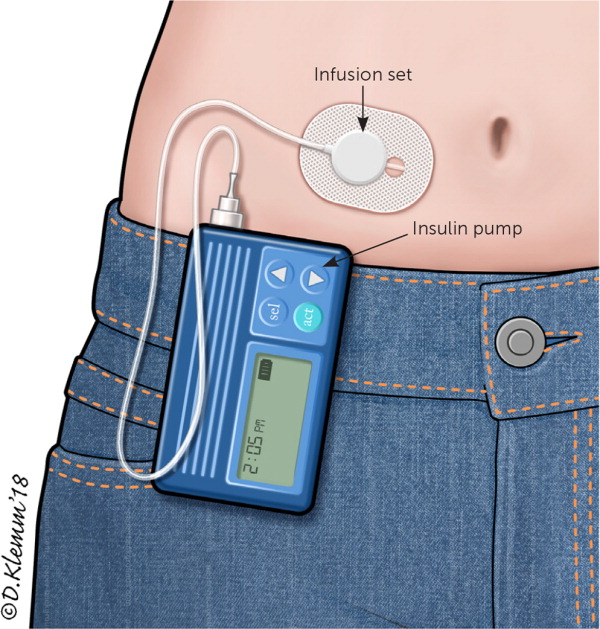
An insulin pump gives users a slower, continuous flow of insulin through a thin tube. Most pumps use a reservoir attached to the body filled with liquid and then pumped up through a needle inserted in the skin near the outer side of the thigh. Some pumps use an infusion set inserted into one of the veins in the arm. Both are medical devices that deliver insulin to the body.

What Is Insulin Pump

Source: American Nurse

Insulin pumps are important for people with diabetes because they help them manage their condition and prevent complications such as kidney disease, blindness, and amputations. There are various types of insulin pumps. They may be continuous or intermittent and can also be remote or mobile.

They can be used for either long-term or short-term use. A doctor often prescribes an insulin pump to treat diabetes for long-term use. Short-term use means using an insulin pump for less than 90 days.

How Does Insulin Pump Work?

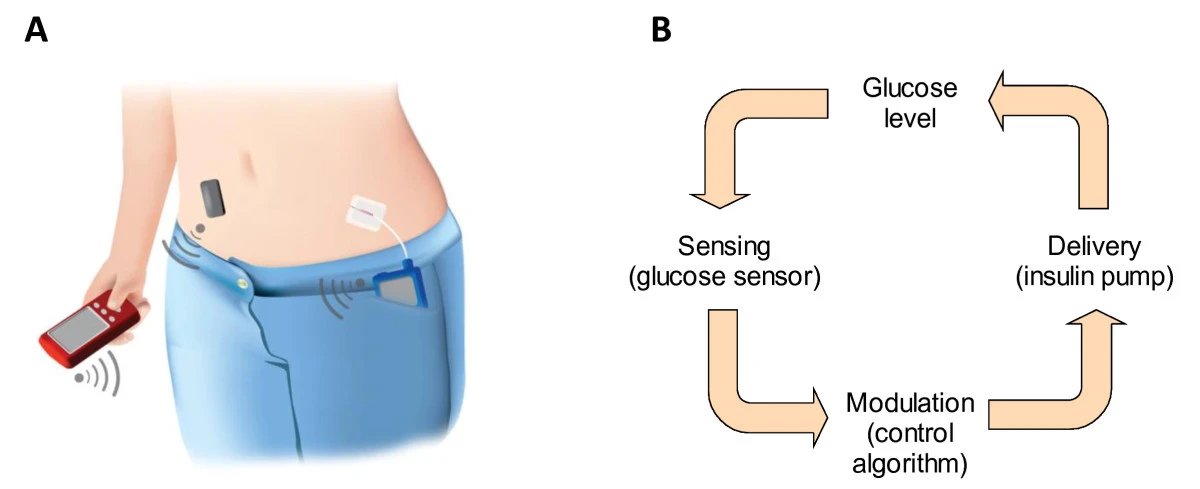
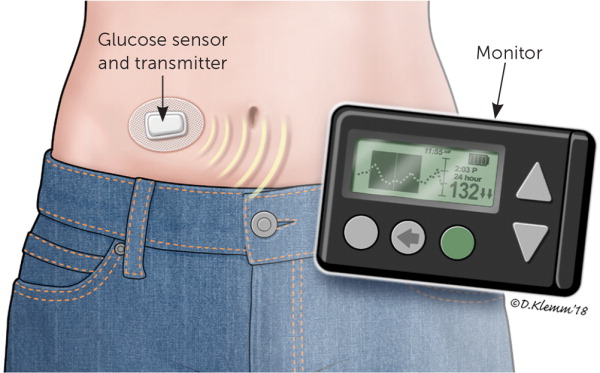
Insulin pumps work by delivering insulin to the body through a tube inserted under the skin in the abdomen or buttocks. The person wears a small device that continuously senses the blood sugar and delivers continuous, variable (on-demand) doses of insulin based on the levels detected.

A person with diabetes has to monitor their blood sugar levels and take insulin injections throughout the day. The patient can choose to use an insulin pump or an insulin pen. A person with a pump can control how much and when they inject, but they still need to review their blood glucose levels before and after meals.

How Does Insulin Pump Work

Source: BMC Medicine

Bolus pumps are used to administer fast-acting insulin in response to a meal. Once the pump is activated, it automatically delivers a dose of insulin at regular intervals until the basal rate is reached (usually within 15 minutes) and the pump is turned off. The bolus dose rate can be changed to respond to meal-related blood sugar levels, but a basal rate must be set first. A basal rate sets the amount of insulin delivered per hour, giving a more gradual response to changes in blood sugar levels.

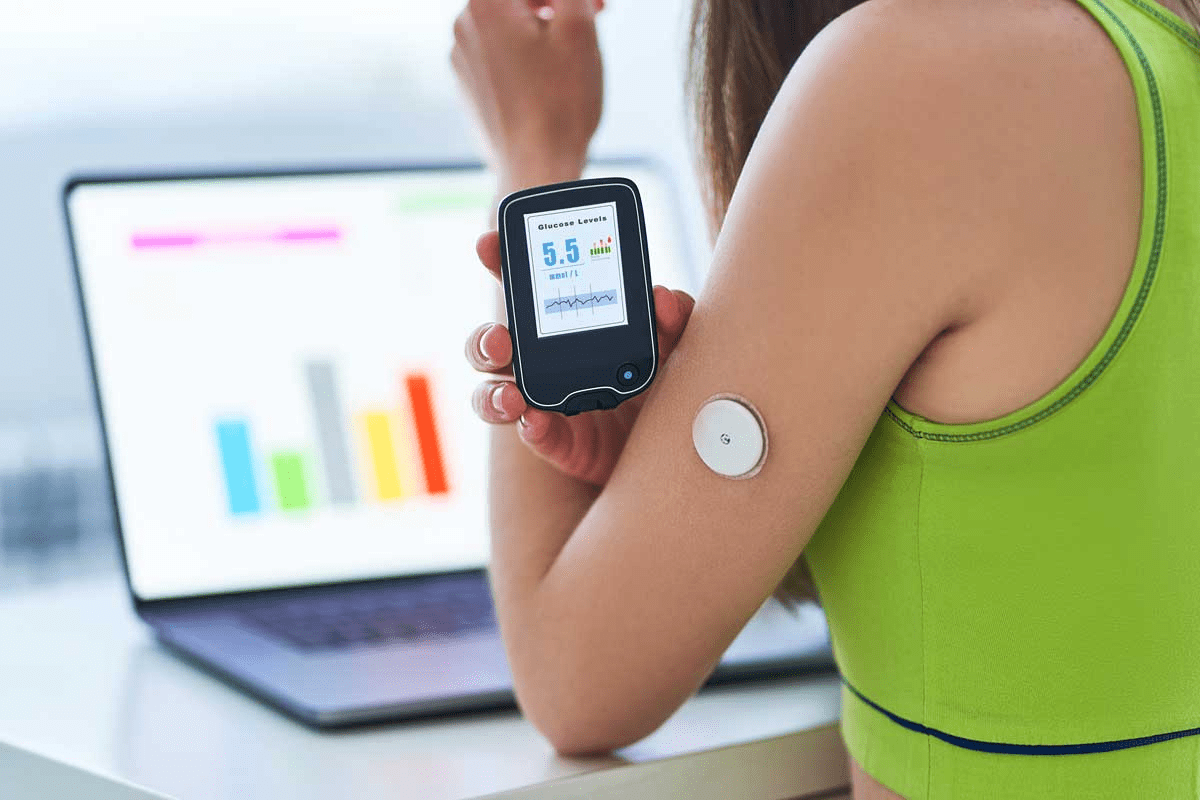
Self-monitoring of blood glucose (SMBG) is an important strategy used by people with type 1 diabetes to decrease the risk for diabetic ketoacidosis, which is a dangerous condition resulting from high blood sugars.

Type 1 Diabetes Management

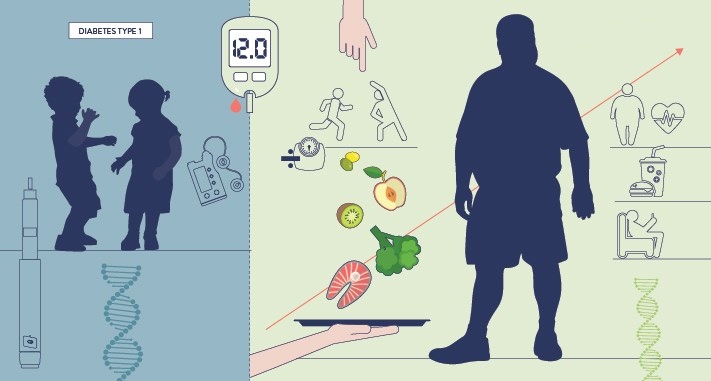
Type 1 diabetes is a chronic condition where the person’s pancreas stops making insulin, which is required to convert blood sugar into energy.

Type 1 diabetes management is a process that is vital for people with this condition. They need to keep track of their blood sugar levels and keep them as close to normal as possible. This can be done with the help of diet, exercise, medications, and insulin shots.

Managing Type 1 diabetes is a process that includes everything from maintaining blood glucose levels to taking medications and insulin shots. According to the American Diabetes Association, people having Type 1 diabetes must take insulin shots or other medications. These are given to manage their blood sugar levels and maintain a healthy lifestyle.

The 7 Unseen Benefits Of Using An Insulin Pump For Type 1 Diabetes Management

Insulin pumps enable people with diabetes to manage their condition by providing a steady and reliable supply of insulin. There are many benefits of using an insulin pump for type 1 diabetes management. However, many people do not realize the many benefits of using it.

7 Unseen Benefits Of Using An Insulin Pump

Source: NIPH

Here are 7 unseen benefits of using an insulin pump for type 1 diabetes management:

  1. Insulin pumps are small and discreet. It is not too bulky like a syringe, and it is easy to carry around in your pocket or bag.
  2. Insulin pumps allow you to make adjustments on the go without waiting for a doctor’s appointment.
  3. The insulin pump helps you get the right amount of insulin at the right time, which is essential for managing your blood sugar levels well.
  4. You can wear an insulin pump 24/7 without worrying about wearing out or damaging it because it doesn’t require any batteries or external power sources.
  5. If you are physically active, the insulin pump will tell you when your rate of insulin is too high or low.
  6. If a doctor states that your body can no longer produce enough insulin, it is possible to use an insulin pump as a substitute for injections.
  7. The pump gives you the option to choose how and when to deliver the right amount of insulin without relying on your body’s natural process.

Insulin Pump Therapy

Insulin pump therapy is a way to deliver insulin through an infusion pump. This means that the pump is used with a needleless plastic tube inserted under the skin in a specific location. The infusion pump delivers insulin through this tube, which travels up to the main body of the device and into the vein or artery to control blood sugar levels.

Insulin pump therapy helps people with diabetes manage their disease. It is a way to control blood sugar levels by delivering insulin through an infusion pump.

Insulin pump therapy has many advantages over other treatment methods like insulin injections and injection pumps. One of the primary benefits is the convenience of this method, which allows for easier management of blood sugar levels and compliance with lifestyle changes.

Insulin pump therapy is commonly used for type 1 and type 2 diabetes. Insulin pump therapy can also be used in patients who cannot use injections or injection pumps due to various reasons such as illness, age, or physical condition.

The following steps are involved in insulin pump therapy:

Step 1

The patient’s blood glucose level is monitored, and an insulin dose is calculated as needed. The pump delivers the calculated amount of insulin from a reservoir located in the device’s body.

Insulin Pump Therapy

Source: American Family Physician

The most commonly used devices are self-contained and portable, which means they only require a small tube inserted under the skin. The tube is connected to a cannula (a small, thin plastic tube) in a reservoir taped to the body below the skin.

Step 2

The patient attaches an insulin pump reservoir (typically containing 100 units of insulin) to the cannula on the abdomen.

Step 3

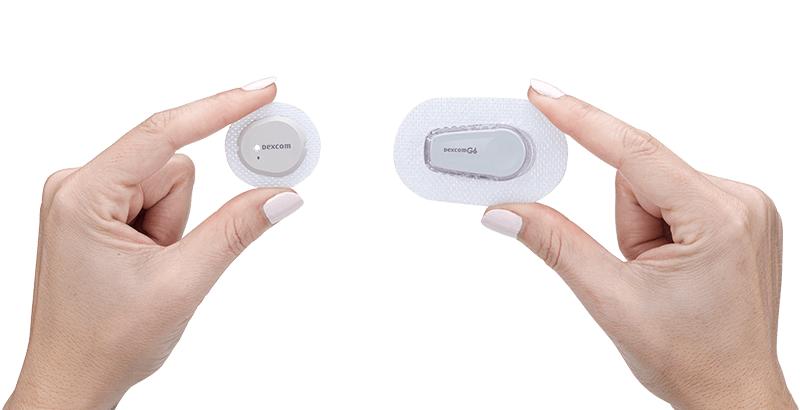
A sensor in the device transmits information wirelessly to the pump and a wireless receiver that displays the glucose information.

Step 4

The device stores up to 1000 units of insulin which can be administered in increments of 0.1 units or 0.25 units.

Step 5

The pump automatically delivers the calculated amount at preset intervals, as needed.

Step 6

The device is programmed with a basal, bolus, or dual-mode to match patients’ needs.

Step 7

The pump displays its current settings, and the last dose is given to know when they are running low on insulin.

Step 8

It has a warning alarm to remind users when their supply is low.

Components Of Insulin Pump Therapy System

The components of the insulin pump therapy system include the pump, infusion set, tubing, and connectors.

Components Of Insulin Pump Therapy System

Source: American Family Physician

1. Pump

Insulin pumps are used primarily in diabetes mellitus management but can also be utilized for treating hypoglycemia or as an alternative to intravenous delivery of insulin. The pump is a battery-operated device that continuously pumps insulin. Some pumps may be able to operate for two to four years without needing a replacement.

2. Infusion Set

The infusion set is the device that delivers insulin to the body. There are three types of disposable infusion sets:

  • A Cannula

It is inserted directly into a vein.

  • An Intravenous (IV) Set

It uses a large tube inserted directly into a vein or artery.

  • An Intra-Arterial (IA) Set

It uses a small tube inserted through an artery into a large artery.

Intravenous sets are typically used for rapid blood sugar control or emergencies when only a few minutes are available for infusion. An intra-arterial set is typically used when a longer period of insulin delivery is needed; it allows continuous infusion over days to weeks, depending on the size of the vein.

3. Tubing

The tubing is used with the infusion set to transfer the insulin from the reservoir to the body. There are three types of tubing: soft (5/8″ diameter), medium (3/4″ diameter), and hard (1 1/4″). The type of tubing chosen depends on how much insulin is being infused, which arm or leg of the body it will be delivered to, the patient’s weight and size, and the type of insulin.

4. Connectors

Connectors are used to join the tubing to the infusion set. The connectors are made of plastic or metal and have a threaded end that screws into the tube and a needle-pointed end that pierces the skin. The type of connector employed depends on the patient’s weight and the type of insulin.

How Insulin Pump Therapy Can Improve Health (& Life) For People Who Use It

Insulin pump therapy is a treatment for those with diabetes that has been proven to improve health and life. In the past few years, insulin pumps have increased significantly. The benefits of this treatment are numerous, but it is not always easy to find affordable insurance coverage for them.

The benefits of insulin pump therapy are many. It helps prevent the complications of diabetes, such as:

  • Blindness
  • Heart disease
  • Amputations

It also makes it more effortless for people to maintain their weight and live a more active life.

Insulin pump therapy is usually recommended for people who have type one diabetes, as it helps them lead a better life and live longer than those who don’t have it. It also helps them manage their blood sugar levels more easily.

People having type 1 diabetes must take care of their health to live long and healthy lives. The first step is using an insulin pump to regulate their blood sugar levels and ensure they don’t experience dangerous highs or lows.

How Can A Pump Help People With Diabetes Improve Their Quality Of Life?

Diabetes is a severe health condition that impacts millions of people worldwide. With the help of an insulin pump, people with diabetes can achieve better control over their blood glucose levels and brace a healthy lifestyle.

In a study from the journal Diabetes Care, people with Type I Diabetes who regularly used an insulin pump had better control over blood sugar levels than those who did not. The participants in the study were, on average, two years older and showed more signs of diabetes-related nerve damage than those without an insulin pump.

How Can A Pump Help People

Source: Diabetes.co.uk 

People with diabetes are at risk for many complications and require careful monitoring, which can be challenging due to the frequency of blood sugar levels. The use of an insulin pump helps people with diabetes to manage their condition more effectively by controlling their insulin intake and improving their quality of life.

The impact of an insulin pump on quality of life is significant for people with diabetes. It lets them live a normal life without worrying about frequent blood sugar level fluctuations or other complications resulting from diabetes, such as skin infections or kidney disease.

Conclusion And Takeaway

In this article, we discussed the insulin pump and its benefits. We also looked at how it improves the health and life of diabetic people who use insulin pumps.

The conclusion is that an insulin pump is a great option for those who want to regulate their blood sugar levels on their own and are not looking for a long-term solution. It should be used in conjunction with other treatments and lifestyle changes. But it is not right for everyone.

There is a complication of the insulin pump that is less favorable, which is the cost. The “new” pump can cost as much as $8,000 per year for the first few years. This may be an impossible expense for some people with diabetes who don’t have insurance coverage or savings to cover it. The cost is also why most people use a combination of insulin pump therapy, oral medication, and a glucagon emergency injection kit to manage diabetes.

If you want insulin pump management at a reasonable cost, you must book an appointment with us. We are happy to serve our patients with the best quality services at the best rates.

7 Unseen Benefits Of Insulin Pump In Type 1 Diabetes Management2022-10-29T17:45:52+00:00
20 05, 2022

How Does The Thyroid And Parathyroid Work Together?

2022-05-20T17:30:10+00:00

thyroid and parathyroid

Source: Pinterest

The thyroid and parathyroid are two small glands that help control your metabolism, body temperature, and the rate of protein synthesis. They also produce hormones that regulate how your body uses energy and the calcium in your bones.

Several diseases are related to these glands, including hyperthyroidism, hypothyroidism, and thyroiditis.

The parathyroid produces the hormone parathormone, and the thyroid produces the hormones thyroxine and triiodothyronine. These hormones are produced from iodine, which is a mineral that your body needs. The thyroid gland will dump out more iodine when it’s low on calcium, so it makes sense that an imbalance of iodine and calcium could lead to hypothyroidism.

There are many more things you need to know about the working of the thyroid and parathyroid glands. If you want to learn more on this topic, keep reading this blog.

What Is The Thyroid?

The thyroid gland is a small, butterfly-shaped gland. The thyroid is an essential part of the endocrine system and plays an important role in maintaining normal body function. It was discovered in 1873 by French physician Emile-Jean Démeunier. He observed a lump on a patient’s neck with goiter and found it attached to the front of the trachea. Démeunier decided the lump was a gland and called it the “glandula thyreoidea”. In most people, this gland is just below the larynx.
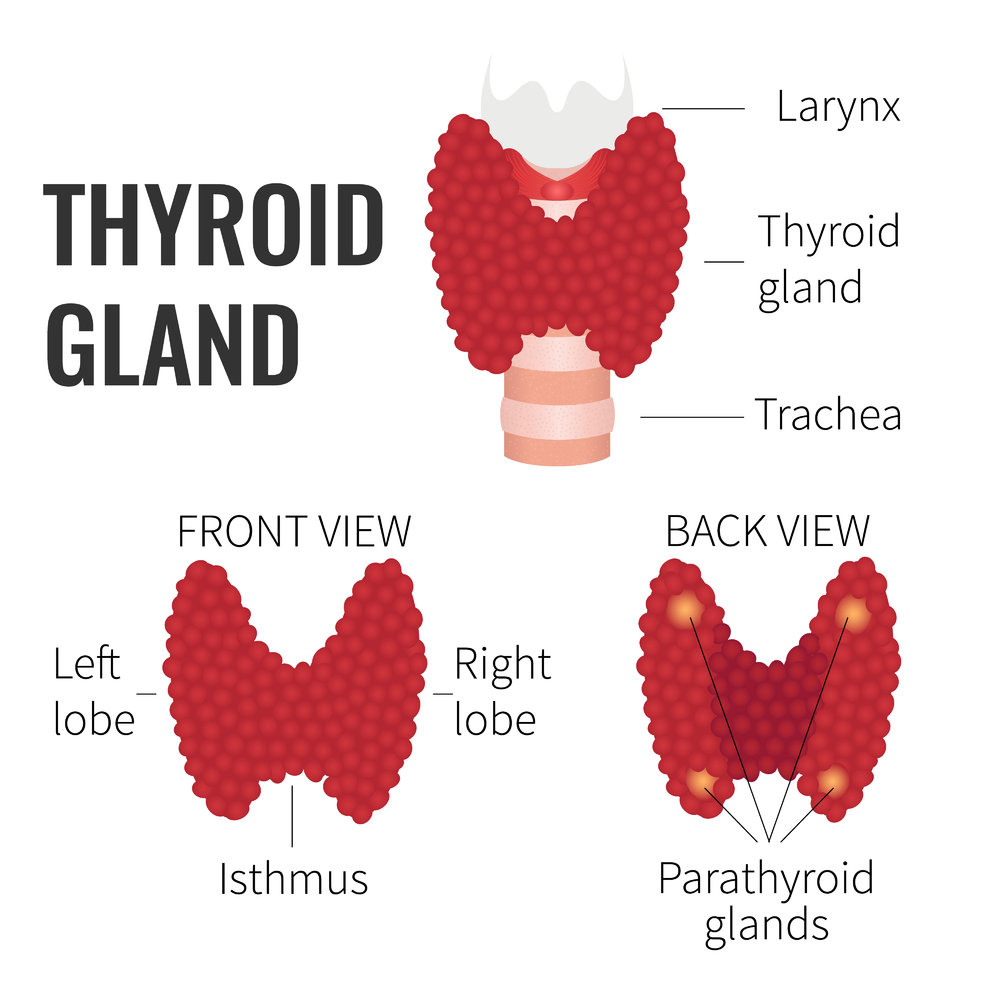
What Is The Thyroid?

Source: Getty Images

The thyroid produces a hormone called thyroxine that helps regulate metabolism, growth, and the body’s use of energy. It is also responsible for regulating body temperature, growth, development, and sexual maturation. It also helps in influencing heart rate, blood pressure, and breathing. 

There is less metabolic activity when your thyroid is not producing enough thyroxine. This can lead to weight gain, a bloated feeling in your body due to bloating the stomach and intestines with gas bubbles increasing in size and number over time, fatigue, weight loss, or decreased appetite.

Where Is The Thyroid Gland

The thyroid gland is located in front of the windpipe in the neck, near where the larynx joins it. It produces hormones that help regulate the rate of protein synthesis in your body, which is important for muscle growth and repair. It produces two hormones secreted into a small canal (the laryngeal lumen) connecting to the lungs and blood vessels on the other side.

The Thyroid Gland

Source: Shutter Stock

Thyroid Functions

Thyroid functions are how thyroids produce and regulate hormones. There are three main types of thyroid functions:

  • Iodine-dependent thyroid function
  • Iodine-independent thyroid function
  • Thyroid autoimmunity.

Iodine-Dependent Thyroid Functions

Iodine-dependent thyroid functions rely on the presence of iodine to regulate hormones. These thyroids use either iodide or iodate, stored in the body’s cells, to regulate hormone production, release, and function. Iodide is more commonly used as it is less toxic for the body, but iodate has a higher capacity for regulating hormones.

Iodine-Independent Thyroid Functions

Iodine-independent thyroid functions use proteins called thyroid peroxidase to produce thyroxine (T4) and triiodothyronine (T3) without the need for iodine. Thyroid peroxidase is produced by the thyroid cells.

Thyroid Autoimmunity

Thyroid autoimmunity has no known cause, but it is characterized by an overreaction of the immune system against thyroids. The immune system reacts at a cellular level and attacks the thyroid, resulting in an inability to produce hormones or an inability to regulate hormone production.

How Does Thyroid Work?

The thyroid is controlled by a hormone called Thyrotropin-Releasing Hormone (TRH). This hormone is released from the hypothalamus, located deep in the brain. The TRH then stimulates cells in the pituitary gland to release thyroxine and triiodothyronine. These hormones then stimulate the thyroid to increase or decrease the production of two hormones:

  • Thyroxine (T4)
  • Triiodothyronine (T3).

T4 is converted to T3, regulating how much energy you burn. T3 is then transported around the body and used for energy. The conversion rate from T4 to T3 varies among individuals, which can often be corrected by medications (such as lithium).

When you are cold, your body uses more energy to keep warm, and this causes T3 levels to decrease. The T3 level must be high to maintain normal body temperature and function.

Lack of sleep causes a low T3 level and, ultimately, a low metabolic rate. Take one or two fish oil capsules (500 mg) daily to maintain healthy energy levels and metabolism during sleep deprivation.

The thyroid gland also helps regulate your moods, sleep patterns, body temperature, etc.

What Is The Parathyroid?

The parathyroid is a small gland that sits on top of the thyroid gland. It is responsible for controlling calcium levels in the blood. When the parathyroid is functioning properly, calcium levels stay within a normal range.

What Is The Parathyroid?

Source: Freepik

The parathyroid gland makes up about 2% of total body weight and is located in the neck near the thyroid gland. The parathyroid can be found in two different shapes – spherical and tubular. The shape of the parathyroid can tell you whether it is functioning properly or not. If the parathyroid is not functioning properly, calcium levels are likely elevated.

Generally, the parathyroid gland comprises four small glands called “cores” in a spherical shape and two tubular “arms.” The most common cause of hyperparathyroidism is a tumor on one or more glands.

Parathyroid cancer is rare and has an incidence rate of about 1 in 500,000 people per year. An alteration in the parathyroid genes (mutations) can lead to the overproduction of the parathyroid hormone.

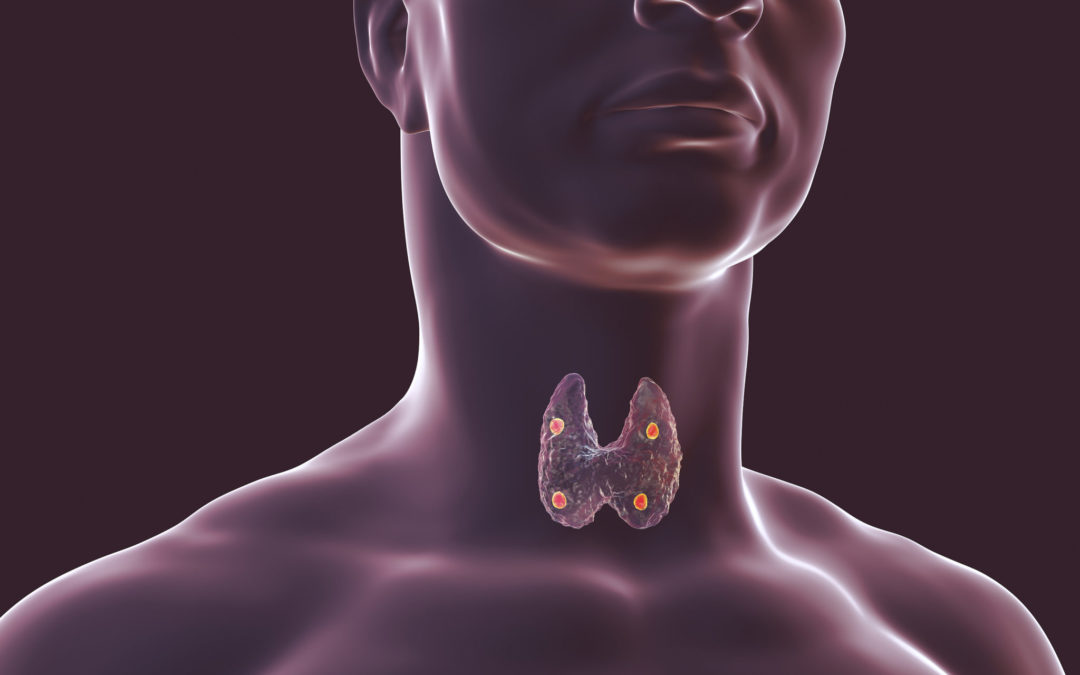
Where Is The Parathyroid Gland

The parathyroid is found on either side of the thyroid gland near where you can feel it with a finger or two. This gland helps regulate calcium levels in your blood by controlling how much calcium you absorb from food sources or drinks. It also helps regulate how much calcium is released into your blood when needed.
Where Is The Parathyroid Gland

Source: Shutter Stock

Parathyroid Functions

The parathyroid glands are four small glands located near the thyroid gland on each side of your neck. The two on the left side of your neck produce parathyroid hormone, while those on the right side produce calcitonin. Both hormones help regulate calcium levels in your blood and maintain bone health.

Parathyroid functions involve four hormones:

1) Parathyroid hormone (PTH)

2) Calcitonin

3) Thyroxine

4) Thyrotropin-releasing hormone (TRH)

Parathyroid Hormone (PTH)

PTH is a hormone that helps regulate calcium levels in the blood, providing the feedback mechanism to keep calcium and phosphorus levels in balance. It is also involved in bone growth and metabolism regulation.

Calcitonin

Calcitonin is a hormone that helps maintain bone health by inhibiting osteoclasts, cells that break down the bone matrix while promoting osteoblasts, cells that build the bone matrix. It also inhibits bone resorption.

Thyroxine

Thyroxine is a hormone that regulates metabolism and growth by stimulating the thyroid gland to produce and release more of its hormone, thyroxine. TRH is a stimulant of the pituitary gland that regulates thyroid function by stimulating, in turn, the production of thyrotropin, which is the major thyroid hormone.

Thyrotropin-Releasing Hormone (TRH)

The function of the parathyroid is to regulate calcium levels in the blood by releasing more or less hormone into it when needed. Low calcium levels release more hormones into your system, increasing your blood calcium level and making you feel more energetic or alert than usual.

How Does Parathyroid Work?

The parathyroid helps regulate calcium and vitamin D levels in the blood. This gland secretes parathyroid hormone (PTH) into your bloodstream, which helps regulate these levels by increasing calcium absorption from food. PTH helps maintain the right calcium level in the blood by telling the kidneys how much to excrete and how much to conserve.

How Does Parathyroid Work?

Source: Freepik

The effect of PTH is the opposite in diabetics, an adrenal gland tumor, hyperparathyroidism, or other diseases that cause hypercalcemia. If a parathyroid gland tumor is found in the neck, it is often surgically removed.

The parathyroid gland is also known as the “master gland” because it controls many other hormones, including calcitonin, phosphorus, and thyroid-stimulating hormone. This gland is also responsible for regulating the body’s calcium levels, and it does so by leaching calcium from the bones.

How Are The Thyroid And Parathyroid Related?

The thyroid and parathyroid are both glands that produce hormones. The thyroid produces thyroxine, which is responsible for the production of metabolic rate and energy by controlling how much energy, or calories, we need to produce.

On the other hand, the parathyroid produces a hormone (PTH) responsible for regulating how much calcium is absorbed and helps the body maintain a proper calcium level in the blood. There are two types of parathyroid glands:

  • The superior
  • The inferior

The superior is located at the top of the thyroid gland, while the inferior is located on its side. Both glands regulate calcium levels in your bloodstream to help support bone and muscle health.

How Are The Thyroid And Parathyroid Related?

Source: Pinterest

The thyroid and parathyroid are important glands in our body that work together to regulate our metabolism. The hormones produced by these glands can help regulate what happens to our bodies and other glands like ovaries and testes. It can cause many health complications such as hypothyroidism or hyperparathyroidism when one is not functioning normally.

The most common thyroid and parathyroid-related health condition that people struggle with is hypothyroidism. There isn’t enough thyroxine in the body in hypothyroidism to function properly. This can be caused by genetics or lifestyle factors such as stress or diet choices.

Disorders Of Thyroid Glands

A condition in which the thyroid produces more or less hormone than the body needs. Thyroid disorders are the most common endocrine diseases in the world. They are characterized by hyperfunction or hypofunction of the thyroid gland. 

Disorders Of Thyroid Glands

Source:Shutter Stock

Hyperthyroidism, also known as thyrotoxicosis, is characterized by excessive production of thyroxine (T4) and triiodothyronine (T3) by the thyroid gland causing an increase in metabolic rate and heart rate, increased perspiration, heat intolerance, and weight loss. A condition in which the thyroid produces less hormone than the body needs. 

Hypothyroidism, also known as thyrotoxicosis, is characterized by insufficient production of thyroxine (T4) and triiodothyronine (T3) by the thyroid gland causing a reduced metabolic rate and heart rate, weight gain, and increasing difficulty concentrating.

Thyroid disorders are classified into six types:

  • Thyrotoxicosis,
  • Hyperthyroidism,
  • Hypothyroidism,
  • Multinodular goiter,
  • Graves’ disease, and
  • Hashimoto’s thyroiditis.

Thyrotoxicosis

Thyrotoxicosis is caused by the overexertion of the thyroid gland, which produces excessive amounts of thyroid hormone. Results include hyperthyroidism with symptoms such as palpitations and heat intolerance.

Hyperthyroidism

Hyperthyroidism is when the thyroid gland produces too much thyroid hormone. The symptoms of hyperthyroidism include rapid or irregular heart rate, weight loss, anxiety, palpitations, and tremors.

Hypothyroidism

Hypothyroidism is a type I and type II in which the thyroid gland does not produce enough hormones. In hypothyroidism, symptoms may include weight gain, fatigue, feeling cold all the time, constipation, dry skin and hair.

Hypothyroidism

Multinodular Goiter

Multinodular goiter is an enlarged thyroid gland with a collection of multiple nodules within it. An enlarged thyroid gland is a multinodular goiter’s most common sign and symptom. The cause of multinodular goiter is unknown. Some people with this type of thyroid gland have a genetic mutation that may cause the development of multinodular goiters.

Graves’ Disease

Graves’ disease is a condition that causes the thyroid to produce too much thyroid hormone. This hormone is produced by the body and regulates how fast our metabolism works. It also helps control how much energy we have, how well our organs, muscles, and bones function, and how quickly we grow.

Hashimoto’s Thyroiditis

Hashimoto’s thyroiditis is an autoimmune disorder that involves antibodies attacking the gland. In Hashimoto’s disorder, symptoms may include an enlarged thyroid gland, chronic fatigue syndrome, and pain in the front of the neck.

What Are The Symptoms Of Thyroid Disorders?

There are a few symptoms of thyroid disorders that are hard to miss. They include:

  • Fatigue
  • Weight gain
  • Skin creases around the neck (trachea)
  • Dry skin
  • Dry hair
  • Constipation
  • Muscle weakness
  • Muscle pain
  • Joint pain
  • Depression
  • Weight loss
  • Hoarseness
  • Sleep apnea
  • Swelling in the neck
  • Enlarged lymph nodes in the neck
  • Difficulty breathing
  • Difficulty talking
  • A change in voice pitch when trying to talk

Thyroid disorders can be diagnosed based on the physical symptoms that a person experiences. However, some tests can detect thyroid problems before they become severe.

Disorders Of Parathyroid Gland

The parathyroid gland is located in the neck. It is responsible for controlling the amount of calcium and phosphate in your blood. It also regulates how much thyroxine and calcitriol are released into the bloodstream.

Parathyroid gland disorders can be caused by various factors, including genetic, environmental, or an autoimmune response to a virus or bacteria. There are four types of parathyroid disorders:

  • Hyperparathyroidism
  • Hypoparathyroidism
  • Primary hyperparathyroidism
  • Secondary hyperparathyroidism

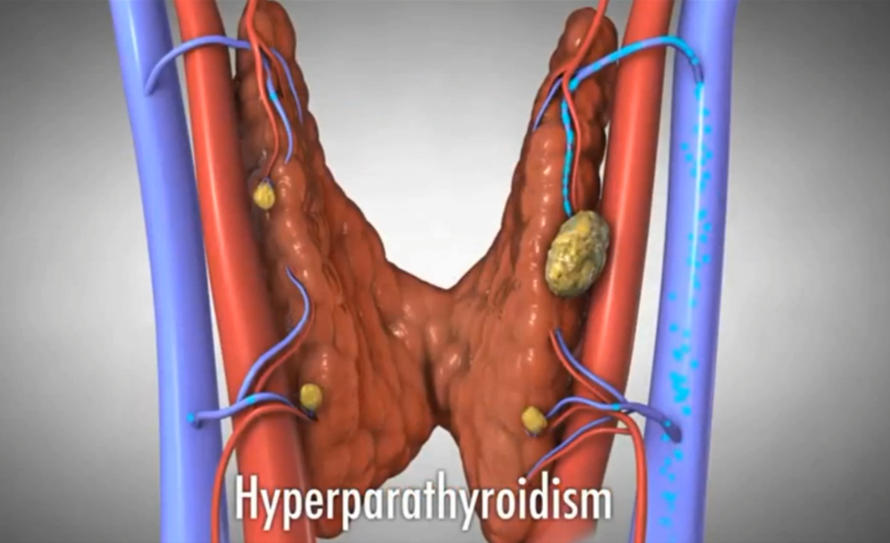
Hyperparathyroidism

Hyperparathyroidism is caused by an overproduction of parathyroid hormone and is typically associated with metabolic syndrome.
Hyperparathyroidism

Source: Rise Surgical

Hypoparathyroidism

Hypoparathyroidism occurs when there is a deficiency in parathyroid hormone, which can happen after surgical removal or destruction of each parathyroid gland.

Primary Hyperparathyroidism

Primary hyperparathyroidism requires no cause and follows the same course as secondary hyperparathyroidism.

Secondary Hyperparathyroidism

Secondary hyperparathyroidism is caused by damage or inflammation of the parathyroid glands, which can be caused by various factors like a disease process in nearby organs, surgery to remove a tumor, or damage from radiation therapy.

What Are The Symptoms Of Parathyroid Disorders?

The symptoms of Parathyroid disorders may vary depending on the type of disorder and the severity. Some common symptoms include:

  • Muscle cramps
  • Pain in the neck
  • Back, shoulders, or arms pain
  • Frequent urination
  • Severe fatigue
  • Unexplained weight loss
  • Hair loss
  • Changes in skin color
  • Blurred vision
  • Dry mouth
  • Nausea
  • Vomiting
  • Severe constipation
  • Irritability
  • Dizziness
  • High blood pressure
  • Low potassium levels

The most common cause of hyperparathyroidism is a tumor on the parathyroid gland. Other causes include:

  • Genetic defects.
  • Damage to the parathyroid glands from radiation.
  • Overproduction of parathyroid hormone by the pituitary gland.

The Importance Of Maintaining A Healthy Thyroid And Parathyroid

The thyroid and parathyroid glands are responsible for producing hormones that control metabolism, growth, and body temperature.

There is an increasing number of people suffering from thyroid or parathyroid problems due to various factors such as aging, genetics, and environmental pollutants. It is important to know how to maintain a healthy thyroid and parathyroid gland to live a long life with good health.

Maintaining A Healthy Thyroid And Parathyroid

Source: Freepik

Maintaining a healthy thyroid and parathyroid gland cannot be overemphasized, especially when facing a problem with one or more of these glands. In the last ten years, the number of people undergoing medical treatment for thyroid problems has increased due to various factors such as aging and environmental pollutants. More people are now maintaining healthy thyroid by taking proper care through diet, lifestyle changes, and medication.

Here we discuss natural ways to maintain a healthy thyroid and parathyroid gland:

  1. Consume foods that are rich in iodine, like seafood and seaweed. Iodine is a chemical element necessary for the normal functioning of the thyroid gland. It helps synthesize hormones like T3, T4, and calcitonin involved in the metabolism of cells, oxygen utilization, and heat production by the body.
  2. Consume foods that are rich in calcium and magnesium like chia, lime, and tofu. The body only absorbs 60% of what it needs from food sources, so other requirements must be met through diet to maintain a healthy thyroid and parathyroid gland.
  3. Consume foods rich in vitamins B12 and D. The thyroid and parathyroid gland cannot produce these vitamins independently, so they must be obtained through dietary sources. In general, vitamin D is produced by the body when exposed to sunlight, while vitamin B12 is found in animal products like meat, dairy, eggs, and fish.
  4. Consume a mineral-rich diet. The thyroid releases hormones that regulate metabolism and energy levels. When the thyroid isn’t properly functioning or functioning at a low level, it can lead to hypothyroidism which consists of many symptoms including fatigue, dry skin, cold intolerance, weight gain, hair loss, and constipation.
  5. Consuming antioxidants found in fruits and vegetables like strawberries, blueberries, and kale can help protect the thyroid from oxidative stress.
  6. Consuming foods high in niacin like eggs, meat, poultry, and fish can help the thyroid function properly.
  7. Consuming fats doesn’t affect the function of the thyroid.
  8. One of the best foods to help maintain good thyroid function is a diet rich in whole grains, nuts, and seeds.

When these glands become underactive or overactive, they can lead to various health problems such as hypothyroidism or hyperthyroidism.

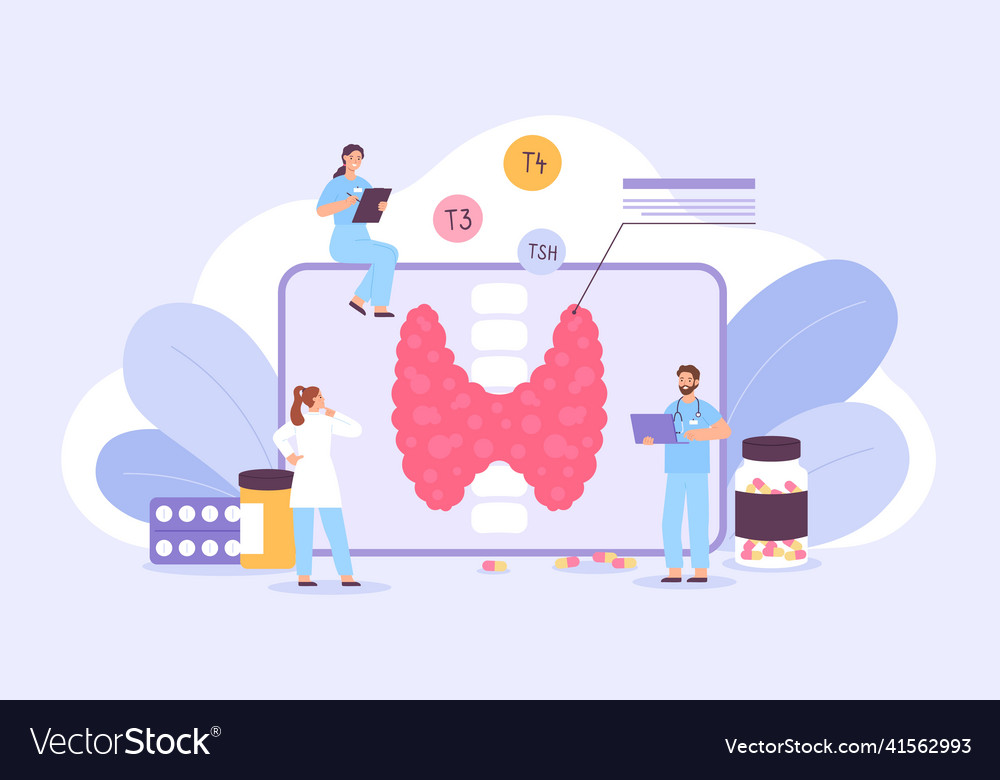
How Does The Thyroid And Parathyroid Work Together?2022-05-20T17:30:10+00:00
20 05, 2022

7 Best Glucose Monitors 2022: The Best Options Available In The Market

2022-10-14T16:02:21+00:00

Glucose monitoring devices are a cost-effective and simple way to test blood sugar levels. Picking the best blood glucose monitor can be a challenging task. You should consider your budget, lifestyle, and needs before buying one.

These devices have been invaluable for people with diabetes, but some people with other blood sugar-related conditions can benefit from one. Some of these monitors use infrared technology that is accurate, quick, and easy to use. They come in various shapes, sizes, and designs so.

Today in this blog, we will discuss the 7 best glucose monitors for 2022. But before jumping to the main topic, let us learn some basics of blood glucose monitors.

What Are Blood Glucose Monitors

Blood glucose monitors are medical devices that measure blood glucose levels. They are used to diagnose and monitor diabetes, as well as for other purposes.

The first blood glucose monitor was invented in 1906 by Sir Frederick Banting and James Collip, who was awarded the Nobel Prize in 1923 for their work. The first commercially available blood glucose monitor was released in 1978 by Roche Diagnostics.

Blood glucose monitors have changed over time as technology has advanced. The earliest form of a blood glucose monitor was a glass tube filled with sugar inserted into the body. The sugar level in fluid changed depending on how much blood flowed through it. These devices had their issues, including the fear that they could cause serious injuries by introducing bacteria or potentially lethal amounts of sugar into patients’ systems. As a result of these concerns, other methods were invented.

The blood glucose monitor measures blood sugar concentration using a small sample of whole capillary blood. It typically uses an enzymatic reaction to measure the sample’s sugar (glucose) concentration and provide an output that shows either a numerical value or a graph on an LCD screen.

This output can help manage diabetes, identify patterns indicating pre-diabetes or diabetes, or test patients for diabetes. These meters are cheaper than most continuous monitoring systems but require frequent re-testing (every 5 minutes).

Continuous Glucose Monitoring

What Are The Types Of Blood Glucose Monitors

There are various types of blood glucose monitors available on the market. They vary in terms of their features and accuracy.

1) One-Point Monitor

This type of monitor is a strip that you place on your skin, and it detects your blood glucose level. It can check your blood glucose levels in just one point.

2) Two-Point Monitor

This type of monitor has two sensors placed on two different points in the body, and it can detect the blood glucose level from both these points.

3) Three-Point Monitor

This type of sensor has three sensors placed at three different locations on the body, and it can detect the blood glucose levels from all these locations.

4) Continuous Glucose Monitor

This type of monitor can continuously give a reading, and it is used to measure blood glucose levels in the body at one point in time.

What Are The Pros And Cons of Each Type Of Blood Glucose Monitors?

There are many types of blood glucose monitors on the market. It is important to know the advantages and disadvantages of each type before you decide to purchase one.

Advantages Of One-Point Glucose Monitor

The advantages of a one-point glucose monitor are:

  • It is portable,
  • It has an easy to use interface,
  • It can be used as an early warning system for diabetes and other illness,
  • It saves time and effort by reducing the need for finger pricks
  • It reduces the risk of infection by reducing the need for multiple blood tests.

The disadvantages of a one-point glucose monitor are:

  • It is difficult to get an accurate reading if a person has poor visual acuity or is wearing glasses,
  • Its accuracy can be compromised when used with a device that does not share the same technology
  • It can be inconvenient to have a person with diabetes who needs frequent blood glucose monitoring in one location.

Advantages And Disadvantages Of Two-Point Glucose Monitor

The advantages of a two-point monitor are:

  • It has the accuracy of a one-point monitor,
  • There is the technology that allows for accurate readings on devices that do not share the same technology
  • It is easy to get an accurate reading if the monitor is on a flat surface, as the readings are more than accurate.

The disadvantages of a two-point monitor are:

  • It lacks the accuracy of a one-point monitor,
  • No technology allows for accurate readings on devices that do not share the same technology,
  • It isn’t easy to get an accurate reading if the monitor is on a flat surface, as the readings are less than accurate.

Advantages And Disadvantages Of Three-Point Glucose Monitor

The advantages of a three-point monitor are:

  • It is easy to get an accurate reading if the monitor is on a flat surface, as the readings are more than accurate,
  • There are fewer sources of inaccuracy since the readings come from three points on the screen instead of just two,
  • It has a wider field of vision.

The disadvantages of a three-point monitor are:

  • It is expensive,
  • No technology allows for accurate readings on devices that do not share the same technology,
  • It isn’t easy to get an accurate reading if the monitor is on a flat surface, as the readings are less than accurate.

Advantages And Disadvantages Of Continuous Glucose Monitor

The advantages of a continuous glucose monitor are:

  • Continuous glucose monitors are easy to use.
  • They are safe, non-invasive, and convenient to use. – They also provide peace of mind for people with diabetes by giving them an idea about their blood sugar levels at any given time.
  • It is a cost-effective way of tracking blood sugar levels and can potentially save patients with diabetes thousands of dollars throughout their lifetime.

The disadvantages of a continuous glucose monitor are:

  • The initial cost of a continuous glucose monitor is high
  • Continuous glucose monitors are not as accurate as fingerstick tests. Traditional fingerstick testing may still be needed in certain situations.
  • They can be difficult to use if you have poor vision.
  • Continuous glucose monitor readings can be affected by some factors such as dehydration or if you exercise too much or too little.

7 Best Affordable Continuous Blood Glucose Monitoring Devices To Purchase In 2022

Continuous blood glucose monitoring devices are necessary for those with diabetes and other health conditions. With the continuous monitoring of blood sugar levels, people can understand how their bodies react to different foods and exercise.

There are many options for buying a continuous blood glucose monitoring device. The best option depends on the person’s budget and needs. Some people may want to purchase a highly accurate device with fewer false readings, while others may want a device that is easy to use with minimal complications.

1. OneTouch® Ultra Mini 

The most common continuous blood glucose monitoring device is the OneTouch® Ultra Mini with a G4™ Coding system, which costs around $140. It is battery operated with a 15-meter accuracy (US) or 10-meter accuracy (EU) and has a needle-less, pain-free sensor with quick sensor changing. This device has an expired shelf life of 3 years and is for use by adults and children age 13 or older.

2. T:slim X2

The t:slim X2 is an option with a price range of $392-$480, depending on the color. This device is battery-powered and has an accuracy of 15 meters (US) or 10 meters (EU). It has a 96-hour battery life and comes in either black or red.

3. Invite® Platinum Elite

The most common continuous blood glucose monitoring device for people with a higher budget is the Invite® Platinum Elite, which costs around $10,000 and has an expired shelf life of 3 years. This device is battery-powered and has an accuracy of 15 meters (US) or 10 meters (EU). It lasts for 96 hours and comes in either black or white.

4. Abbott FreeStyle®

The next most common device is the Abbott FreeStyle®, which costs around $950 and has an expired shelf life of 2 years. This device comes in either black or blue and uses a AAA battery. It lasts for 96 hours and is battery-powered with an accuracy of 15 meters (US) or 10 meters (EU).

5. Medtronic Guardian

The Medtronic Guardian is an option with a price range of $400-$600, depending on the color. It is battery-powered with an accuracy of 15 meters (US) or 10 meters (EU) and lasts for 96 hours. This device has a 1-year expired shelf life and comes in either black or white.

6. One Touch® Ultra

The One Touch® Ultra is an option with a price range of $400-$600, depending on the color. This device comes in either black or white and uses AAA batteries. It has a 2-year expired shelf life and uses Bluetooth technology to transmit results wirelessly from your wrist to the app.

7. Mind Ray Continuous Glucose Meter

Another option is the Mind ray Continuous Glucose Meter, available at $400-$600 depending on the color. It is battery-powered with an accuracy of 15 meters (US) or 10 meters (EU). This device has an expired shelf life of 2 years and comes in either black or white.

The Most Affordable Glucose Monitor

The least expensive option is the Accu-Chek Active glucometer, which has a price range of around $60-$75.

Best Continuous Blood Glucose Monitors With Bluetooth Technology In 2022 

The best continuous blood glucose monitors with Bluetooth technology in 2022 are the ones that can be connected to smart devices and software. These devices can also be used as a remote monitoring system for patients in the hospital or at home. They automatically log patient data, such as blood glucose levels, activity levels, and food consumption, to provide patients with a personalized long-term care plan.

As an example, let’s take a look at the best continuous blood glucose monitors with Bluetooth technology in 2022:

i. One Drop® Glucose Meter Kit 

This device is similar to the OMRON in that it has a large touchscreen interface that allows users to monitor blood sugar levels, ketones, and more. It also has an average blood glucose level of 83-109 mg/dL and average ketone levels of 2.2-2.9mmol/L with a high rate of only 3% errors per day over three days. The One Drop kit is also waterproof, and the device can last up to six days on a single charge.

ii. OMRON Gold Wireless Bluetooth® 

This device has a large TFT color display with an easy-to-use touchscreen interface that allows users to monitor blood sugar levels, ketones, etc. There is also an average blood glucose level of 82.3-103.3 mg/dL and average ketone levels of 2.2-2.9mmol/L with a high rate of only 2% errors per day over three days. It is also waterproof, and the device can last up to six days on a single charge.

iii. Dexcom G4 Platinum

The Dexcom G4 Platinum is a continuous glucose monitoring (CGM) system that allows users to track their blood sugar levels without the risk of hypoglycemia. It is also highly accurate, with an average blood glucose level of 80-120 mg/dL and average ketone levels of 1.3-1.8 mmol/L. It can also be used with the Dexcom ShareTM app and the Dexcom G5 Mobile Application, allowing users to share their blood glucose levels with friends and family, knowing when they have high or low blood sugar levels.

Which Type Of Monitor Best Suits My Needs?

One of the most important aspects to consider when buying a blood glucose monitor is how you will use it. The following are some factors of glucose monitors that you must consider while making a purchase:

1. Accuracy: 

This refers to how accurate the readings are. Different monitors have different accuracy levels, so it is important to consider this factor. When buying a monitor, ensure that your needs can be met by the monitor’s accuracy you are choosing.

2. Ease of Use: 

This refers to how easy it is to use the monitor. Some monitors may be very easy to use, while others require more user input and interaction. It would help if you considered how difficult or easy it is to operate the monitor and use it without any difficulties.

3. Storage: 

This refers to how the monitor will store your blood glucose data. Some monitors store data on a chip that can only be read using a specific type of reader. Other monitors will automatically upload the data to an online platform, and some will even send you an alert when they need to be refilled with blood.

4. Battery Life: 

This refers to the amount of time it will take for the battery to deplete. Some monitors have a long battery life, while others might only last a few hours before they need to be recharged. You must consider how long the monitor will take to go dead for you to do your routine tasks without interruptions.

5. Price: 

This refers to the price of the monitor. Some monitors may be very expensive while other monitors may be less expensive. It would help to consider how much money you are willing to spend before deciding which monitor is best for you.

6. Device Type: 

This refers to the type of device that will read your blood glucose levels. Some monitors work on-demand, while others may work continuously. This can help you decide if the monitor will best suit your needs.

7. Device Size: 

This refers to the size of the monitor. Some monitors are very small and can be placed in your pocket or slightly pouch, so others might not see them. Other monitors might be larger and can only sit in one place.

8. Device Resolution: 

This refers to the resolution of the monitor. Some monitors may be of lower quality because they have a low resolution, while others may be of higher quality with a much higher resolution.

9. Antibacterial Device Materials: 

This refers to how long you can expect your monitor to last without getting any bacteria. Some monitors might not be able to last as long as others, so you might want to consider this before purchasing.

10. Device Documentation: 

This refers to whether the monitor comes with any instructions on how it works and what it can do. Some monitors will come with instructions, while others might not have anything.

Conclusion & Takeaway

Blood glucose monitors are used to measure the blood sugar levels of a person. There are two types of blood glucose monitors available: handheld and continuous. The first one is quite convenient and accurate but has a short battery life, whereas the second needs to be attached to the body for continuous monitoring.

In 2022, it is predicted that continuous monitors will grow faster than handheld ones. They are more accurate and have longer battery life.

To avail of the best continuous glucose monitoring services, contact us at Houston Endocrine Center. We will shortly get in touch with you once you fill out the form.

7 Best Glucose Monitors 2022: The Best Options Available In The Market2022-10-14T16:02:21+00:00
18 05, 2022

What Are Continuous Glucose Monitoring Systems | A Comprehensive Guide

2022-06-28T16:31:47+00:00

Continuous Glucose Monitoring System (CGM)

Source: Dexcom

What Is A Continuous Glucose Monitoring System (CGM)?

A Continuous Glucose Monitoring System (CGM) is a medical device that measures the patient’s blood sugar level. It does this by measuring the glucose levels in interstitial fluid, an important part of the body’s circulatory system.

CGMSs are typically used to monitor diabetes patients, but they can also monitor other diseases that cause high blood sugar levels. They are also used for research purposes and monitoring people with certain eating disorders.

A Continuous Glucose Monitoring device is inserted under the skin. It provides information on blood sugar levels. It measures glucose levels in the interstitial fluid, which can be used to detect patterns in insulin production and modify insulin doses accordingly.

A CGM can be inserted every day or as needed. It is typically worn for up to 14 days, but this duration may vary depending on the individual’s needs. The insertion site of a CGM can be changed if necessary. A CGM may also be removed at any time with no adverse effects.

The Use Of Continuous Glucose Monitoring System

A Continuous Glucose Monitoring System or CGM device helps manage diabetes. It monitors glucose levels and sends it to a device like a smartphone or a computer.

The continuous glucose monitor (CGM) tracks blood sugar levels in people with type 1 or type 2 diabetes. Blood sugar levels are monitored throughout the day and night, making it easier for people with diabetes to manage their condition. CGM also helps identify patterns of highs and lows, so people with diabetes can take appropriate action to prevent complications.

Continuous glucose monitors can be used in many ways, such as checking how long it takes for your pancreas to produce insulin after eating and monitoring how long it takes for your insulin levels to drop after taking insulin shots. They can also be used during exercise to measure how long it takes for your body’s cells to replenish their glucose supply.

Who Can Use Continuous Glucose Monitoring Devices?

The continuous glucose monitoring device is used by people with diabetes, those who have had a heart attack, and people with a high risk of developing diabetes.

Continuous Glucose Monitoring Devices

Source: SingHealth

Both patients and healthcare providers use continuous glucose monitoring devices. Healthcare providers can use them to monitor patients for hyperglycemia, hypoglycemia, or other related conditions to blood sugar levels. Patients can use them to understand their health better and make more informed decisions about their lifestyles.

The uses of CGM devices are not limited to diabetics. It can be used by people with pre-diabetes, gestational diabetes, and those who are on insulin therapy for other conditions such as obesity and polycystic ovarian syndrome.

Why Should Diabetes Patients Measure Their Sugar?

Diabetes is a chronic condition that affects the way your body processes sugar. It is caused by the pancreas not producing enough insulin or the body’s cells not responding to insulin.

A person with diabetes has either too much sugar (hyperglycemia) or too little sugar in their blood (hypoglycemia). In diabetes, high blood sugar levels are typically caused by two things:

– The body’s cells are not responding to insulin.

– The pancreas starts to make less and less insulin.

Monitoring blood sugar levels can help people with diabetes identify high and low blood sugar levels, which helps them make adjustments to their diet and exercise routine.

Why Should Diabetes Patients Measure Their Sugar?

Source: Financial Times

There are various methods that a person can use to monitor their blood sugar levels, including the following:

A Blood Glucose Meter

A person uses this device to measure blood sugar levels. The glucose meter has a small vial inserted under the person’s tongue, and then the meter gives the person a reading of blood sugar level on a small digital display.

A Blood Sample 

This can be taken from an arm vein, but it is more commonly taken from the fingertip or the inside of the person’s mouth. Special lancets are inserted into the skin and then a drop of blood is collected that is used to test blood sugar levels.

A Glucometer

This is a compact device also available at most drug stores. The glucometer has an insulin pen attached to it so that the person can get instant reading and make adjustments.

A Fingerstick 

This method is done by pricking a person’s finger with a special lancet dipped in a tiny amount of blood-testing solution, is done by placing the lancet at the person’s fingertip and then pressing it.

A Urine Test 

This testing method involves urinating into a small tube attached to a device that measures blood sugar levels.

Urine Test Strips

These strips are available at most drug stores. They come in a box of 100, but it may be more cost-effective to buy a larger box from the pharmacy. The test strip is dipped in the urine for five seconds and gives the results on a disposable paper card.

How Does CGM Work?

Continuous glucose monitors continuously measure blood glucose levels. These devices are more accurate than finger-prick testing and approved by the FDA for diabetes management. They are usually worn on the body and provide real-time readings.

How Does CGM Work?

Source: Maxim Integrated

The working of CGM is quite complex, but it involves an algorithm that analyzes the data from a sensor (usually a sensor inserted under the skin) to calculate the blood sugar level in real-time. The sensor sends data wirelessly to a receiver, which displays it on an LCD screen or prints it out for you. A transmitter sends this data wirelessly to a receiver connected to your PC, tablet, or smartphone. CGM works by measuring the amount of glucose in your blood through the sensor.

The transmitter tracks your glucose levels every five minutes. When glucose levels drop, the transmitter sends a message to your PC, tablet, or smartphone. You can then use the receiver or the software connected to it on your PC, tablet, or smartphone to display and log the data coming from CGM.

The working of CGM

Source: NIDDK

The device also uses a predictive control algorithm, which uses information from previous blood sugar data and the user’s current behavior to predict future blood sugar levels. This process allows the device to deliver insulin or glucagon (a fast-acting glucose solution) and supplies a small amount of electrical energy when needed.

Difference Between CGM And Insulin Pumps

Continuous glucose monitors and insulin pumps have some similarities in their function. However, there are also some significant differences between them.

Continuous Glucose Monitors

People with diabetes often use continuous glucose monitors to monitor the glucose levels in their blood.
The monitor is attached to a finger or other part of the body, and it continuously measures blood sugar levels.
They can measure blood sugar levels as low as 20 mg/dl
They have alarms that sound if a person’s blood sugar is too high or too low
They are battery-powered and don’t need to be plugged in

Insulin Pumps

The insulin pump delivers insulin through an infusion set into the body.
This can be done via a catheter or a cannula inserted under the skin.
They need to be plugged in
They can measure blood sugar levels through a catheter or a cannula that is inserted under the skin
They can be programmed to deliver a specific amount of insulin at a specified time

Is It Easy To Use CGM Devices?

The answer is yes and no. Some people have a hard time understanding how to use the devices, but it is a good investment for those who do.

Some people may find it difficult to use CGM devices because they are unfamiliar with the technology or do not understand how it functions. They may think that CGM devices are too complicated and can’t be used by everyone. These people may be wrong because there are many ways to use these devices and many benefits associated with using them.

However, some people find it easy to use these devices and enjoy the benefits using them. They can successfully use a CGM device because they are familiar with the technology and understand how it works. This is especially true for people who already use insulin pumps and glucose meters.

Is It Easy To Use CGM Devices?

Source: Rupa Health

The case of diabetes is often compared to the epidemic of obesity, and for a good reason. It is detrimental to the body not to control blood sugar levels. Controlling blood sugar levels through these devices enables people to manage their treatment plans with the proper tools personally.

CGM devices are beneficial because they allow people to monitor their blood sugar levels and adjust their treatment plans accordingly. These devices are often thought of as an alternative for people who do not require insulin or glucose meters to control blood sugar.

What Are The Advantages Of Using A Continuous Glucose Monitor System?

Continuous glucose monitors are taking the diabetes world by storm. Ease of use, accuracy, and convenience are just a few of the many advantages these devices have over traditional blood sugar monitoring methods.

Continuous Glucose Monitor System

Source: GluCare

The advantages of using a CGM system are many. They help in improving the quality of life;

  • Providing more accurate data for diabetes management.
  • Providing constant data streams.
  • Preventing hypoglycemia and hyperglycemia.
  • Monitoring ketones
  • Managing blood sugar levels throughout the day.
  • Reducing the number of fingerstick checks.

It is important to use technology to improve our lives to live healthier and happier lives in today’s world. Continuous glucose monitor systems are helping people live on their own terms while also following their health needs.

What Are The Disadvantages Of Using A Continuous Glucose Monitor System?

The use of CGM is not without its drawbacks. The main disadvantage of using a continuous glucose monitor system is the cost for the patient. The price ranges from $40 to $500 per month, and it can be difficult for some patients to afford this expense.

Some other disadvantages are:

  • It’s not always accurate in predicting diabetes or hypoglycemia risk.
  • It doesn’t take into account other factors such as insulin resistance, age, and body weight.
  • It doesn’t provide information on how much insulin should be given;
  • It isn’t portable.
  • It can have challenges understanding the user’s glucose levels in their breath or other bodily fluids.
  • The monitoring site doesn’t provide feedback on the type/amount of carbs/fat/protein consumed.
  • It’s not a good idea for patients who want to maintain a low-calorie diet.
  • There are no model-specific comparisons of one brand’s accuracy and reliability rates vs. another brand.

Additionally, the CGM does not provide information on trends and patterns in blood sugar levels.

The Cost Of Continuous Glucose Monitoring Devices

Continuous glucose monitoring devices is becoming more popular as technology improves. It is not just the cost that makes CGM devices expensive but also that they need to be replaced every year.

The American Diabetes Association recommends that people with type 2 diabetes start using a continuous glucose monitoring device within three to six months of diagnosis. They also recommend that people with type 1 diabetes use this device after two years of diagnosis.

The cost of a continuous glucose monitoring device can vary depending on its features and brand, but it is estimated to be anywhere from $100 to $500 per year.

Some people may argue that CGM devices are expensive, but it becomes a lot more affordable if you consider the time saved in managing diabetes. The cost of CGM devices is comparable to other medical devices. However, the cost of a CGM device lessens over time as new models come out with lower prices and improved features.

Some insurance policies cover the costs of insulin pumps or CGMs, so it may be beneficial to check your coverage. Additionally, it’s important to remember that this device can be used for an unlimited time, so the ongoing costs are significantly lower.

However, the cost of a continuous glucose monitoring device is not the only thing that needs to be considered when managing diabetes. Other factors such as time and effort required, patient compliance, and any potential side effects need to be considered before deciding whether or not this device is worth it.

Is A Fingerstick Check Required When Using A CGM Device?

A fingerstick check is a blood test usually done before using a CGM device. It is done to ensure that the blood sugar levels are within the normal range.

The fingerstick check helps ensure that the patient has not developed any complications with their diabetes while using their CGM device. However, some people have an allergy to lancets, and they may have reactions when they use them.

CGM Device

Source: GettyImages

Fingerstick checks are only required when using a CGM device for the first time or if it has been more than 24 hours since the last test. The fingerstick check aims to ensure that the patient’s CGM readings are accurate and detect any changes in the patient’s condition.

Fingerstick checks are not required for patients who use insulin pumps or continuous subcutaneous insulin infusion (CSII) devices.

Where To Get A CGM From?

Different types of CGM devices are available in the market. The selection process is a little tricky. It would help if you considered budget, location, and device type.

There are three main types of CGM devices:

  • Continuous glucose monitors
  • Insulin pumps
  • Continuous blood glucose monitors.

Continuous Glucose Monitors (CGM)

They use a sensor to measure the amount of sugar in a person’s blood over time. People with diabetes can use them to track their blood sugar levels throughout the day and night.

Insulin Pumps

Unlike CGM devices, insulin pumps deliver an insulin infusion through a catheter inserted under the skin that a remote computer may regulate. This allows insulin to be delivered without waiting for the body’s natural release of glucose. Insulin pumps can also help some people achieve and maintain near-normal blood sugar levels.

Continuous Blood Glucose Monitors (CBG)

They use sensors to measure the amount of sugar in a person’s blood over time. Still, they also measure other things like hemoglobin A1c or ketone levels if someone has diabetes or is on a ketogenic diet.

If you face any issues finding the best CGM system, you can visit Houston Endocrine Center and book an appointment with us to avail our services.

What Are Continuous Glucose Monitoring Systems | A Comprehensive Guide2022-06-28T16:31:47+00:00
16 05, 2022

Are Medically Supervised Weight Loss Programs Expensive?

2022-10-29T18:04:32+00:00

Weight loss programs can be expensive to purchase or maintain. A person may find a free weight loss program online, but they may have to pay for their food while on the plan. Weight loss programs also vary in cost depending on the type of program, who created it, and where it is purchased.

The cost of a weight loss program depends on what type of plan you are looking at. There are many different types of plans, including commercial diet plans, which are usually expensive because they include food or prescription medications which can be expensive because they require a doctor visit and prescription.

In this blog, we will understand the cost of medically supervised weight loss programs. But before jumping to the main topic, let us learn the basics of medical weight loss and its importance.

What Is Medical Weight Loss?

Medical weight loss is a process of losing weight with the help of medical professionals. It is a process that has been proven to be effective through research. Losing weight using medical methods can help with certain health problems and decrease the risks of obesity.

It is also possible to follow a medically-based diet plan/program as part of a health and wellness program, typically incorporating regular exercise, a healthy diet, and reducing stress. Weight loss is common in people with obesity or other conditions such as cancer, end-stage renal disease, heart failure, congestive heart failure, and liver cirrhosis.

In clinical studies, weight loss in people with type 2 diabetes has reduced cardiovascular disease and stroke risks. A meta-analysis on the effects of dieting on lipid levels in overweight children suggested that diets with a reduced energy density could lead to reduced total cholesterol, low-density lipoprotein cholesterol, and triglycerides.

Medical Weight Loss - Houston Endocrine Center

Source: ihealthspot

Importance Of Medical Weight Loss

One of the most important benefits of medical weight loss is that it can be tailored to your needs and health goals. This is in comparison with other methods, such as dieting, which are not as personalized and are difficult for some people to follow. 

Lifestyle changes and behavioral strategies can help people achieve a healthy weight without following a specialized diet. Medical weight loss is often used as an adjunct to other types of treatment, such as bariatric surgery and drug therapy. , which the patient may be used to address other conditions.

Weight loss through medical means can help people lose weight more effectively and quickly than otherwise. Without medical weight loss, many people struggle with their weight for years and cannot lose more than a small amount of weight at a time. Despite trying multiple diet plans and exercise regimens, some people may not lose any weight even within this small amount.

What Are Medical Weight Loss Programs?

Medical-Weight-Loss-Programs-Houston-Endocrine-Center

Source: Pinterest

A weight loss program is a system of diet and exercise that helps people lose weight. Weight loss programs come in many different forms, including commercial diet plans, prescription medications, and surgical procedures.

With increasing obesity, more and more people turn to medical weight loss programs to get back in shape. Medical weight loss programs help people lose weight through diet, exercise, and counseling. It is a long-term solution to treat obesity and not a quick fix. Medical weight loss programs include:

  • Nutritional counseling and weight management plan
  • Person-centered exercise or group fitness classes include Zumba, spinning, walking with a trainer, and mindfulness meditation.
  • Meal replacement shakes (meal replacement plans)
  • Dietary supplements (for people with food allergies)
  • Medication
  • Weight loss surgery

Medical weight loss programs can help people lose significant amounts of weight, but it is important to remember that their results are not a quick fix and come with a long-term commitment to a healthy lifestyle. There is no one size fits all approach to medical weight loss.

This type of program will have you follow a strict diet for your treatment. You will also be given guidance on exercising and what types of foods you should eat. Your counselor will help you set goals that are realistic for your lifestyle.

Is Losing Weight Important?

It is important to maintain your weight because you are more at risk of developing obesity if you are overweight. Obesity is a disease that can cause many health problems such as heart disease, diabetes, arthritis, and even some cancers. It can also lead to many other preventable problems, such as osteoarthritis.

The thing about being overweight is that it can be difficult to lose weight because you may not have the same energy and motivation. It can also take longer for your body to become fitter and healthier. So, it is effective to maintain a healthy weight level rather than trying to lose weight as quickly as possible.

Many reasons can motivate you to lose weight, such as:

  • It helps with your mental health as well as physical health.
  • You will feel better about yourself.
  • You will have more energy to do things in life.
  • It can also help you avoid diabetes, heart disease, cancer, and other diseases.
  • You will live longer.

The Importance of a Useful Weight Loss Program

Useful Weight Loss Program - Houston Endocrine Center

Source: TALISMANIAN

Obesity is a major health problem in the United States. It is estimated that over one-third of American adults are obese and that obesity-related conditions account for $147 billion in healthcare costs annually.

The prevalence of obesity has increased dramatically over the past few decades, with no signs of slowing down. The Centers for Disease Control and Prevention (CDC) estimates that if current trends continue, more than 50% of adults will be obese by 2030.

There are many reasons why obesity rates have increased so drastically in recent years. The most obvious cause is increased caloric intake, but other factors such as changes in activity levels, genetics, sleep schedules, and even the environment may also be blamed.

Weight loss programs are the best way to get back on track and healthy. They can help you change your lifestyle and how you think about food. It is important to find a program that will work for your needs and goals.

A weight loss program should be tailored to your needs, but it should also be realistic. You will need to find something that works for you and what you can do. It is also important to understand how much weight you want to lose to know what kind of goals are realistic for yourself.

If you ask yourself, “How do I lose 20 pounds in a week,” you may not consider your needs or realistic goals. It is necessary to understand that losing weight quickly puts stress on your body and can cause more harm than good. And even if your goal is to lose 10 pounds in a month, losing five pounds per week will still be effective.

Effects of a Medically Supervised Weight Loss Program on your Body & Mind

Weight Loss Program on your Body & Mind - Houston Endocrine Center

Source: eocinstitute

A medically supervised weight loss program is an alternative to other weight loss programs. It is a type of diet that includes regular check-ups with a doctor or other medical professional to ensure you are healthy and safe. Your doctor will likely recommend an intensive program if you are a high-risk patient.

A medically supervised weight loss program will:

  • Help you feel more confident in yourself.
  • Help you lose weight gradually, which is much better for your health.
  • Make it easier to maintain a healthy lifestyle after the program is over.

The weight loss program you choose has a big impact on your body and mind. It can also impact your mood, energy levels, and sleep quality. Some programs may be more effective and beneficial than others for your situation. Which one you choose will depend on many factors, including:

  • How long have you been overweight or obese?
  • If this is your first time losing weight.
  • If it has been a long time since you have been to the doctor.
  • Whether you need to make changes in your exercise routine or whether you need to make changes in your diet.
  • How much weight do you currently weigh?
  • How much time do you have available to devote to being physically active?

The effects of a medically supervised weight loss program on your body and mind are both positive and negative.

Positive Effects Of Medical Weight Loss

The positive effects include:

  • Increased energy
  • Motivation
  • Mood
  • Confidence
  • Improved self-esteem

Negative Effects Of Medical Weight Loss

The negative effects include:

  • Reduced tolerance for sweets
  • Cravings for high-calorie foods
  • The risk of developing an eating disorder.

How Medical Weight Loss Programs Help You Lose Weight and Get Healthy

Medical weight loss programs are a great way to lose weight and get healthy. They are designed to help you live a healthier lifestyle. Many different weight loss programs can help you achieve your goals. Some include nutritionists, personal trainers, dieticians, and psychologists. 

Best Diet for Weight Loss - Houston Endocrine Center

Source: wellcurve

Examples of a weight loss program are:

  • Keto Diet
  • Intermittent fasting
  • Vegan diet
  • Weight watchers diet
  • Raw food diet
  • The Biggest Loser
  • DASH diet
  • Mediterranean diet
  • Low carb diet
  • Dukan diet
  • Paleo diet.

Weight loss programs offer a variety of other ways to lose weight, from calorie-counting to meal replacements. Many different diet plans can help you lose weight and keep it off for the long term. The problem with almost every diet is that it’s long-term restrictive, and you can’t stick with it.

Some diet plans promise rapid weight loss but come back for more weight gain in the long run. Consider a weight-based diet if you are looking for a new way to lose weight that offers flexibility, less risk of failure, and better success.

Weight-Based Diet

A weight-based diet is exactly what it sounds like. This diet is based on your weight rather than your body fat percentage measurements. These diets offer the best chance at long-term success. They are easy to implement and stick with because they don’t require meal replacements or calorie counting.

Nutrition guidelines for these diets vary depending on weight, but the general goal is to take in fewer calories than you burn each day. Excess energy is stored as fat by taking in fewer calories than you burn. To avoid losing muscle mass or becoming too skinny, your intake should be higher during periods of exercise and low during rest periods.

There are some other medical options for weight loss as well, including surgery and prescription medications. These are more extreme options that should be used with caution because they have more risks associated with them than other methods.

Fees for Medical Weight Loss Programs

The cost of weight loss programs can vary greatly depending on the program and where you live. In this section, we will be looking at:

  • How much do weight loss programs cost?
  • How much does a weight loss doctor visit cost? 
  • What is the average cost for different types of weight loss programs?

How Much Does a Medical Weight Loss Program Cost?

You can expect to pay anywhere from $10,000 to $100,000 per year for weight loss programs. This includes the cost of hospital visits, doctor appointments, and medications.

How Much Does a Weight Loss Doctor Visit Cost?

Weight Loss Doctor Visit Cost - Houston Endocrine Center

Source: The Healthy

The average cost of a weight loss doctor visit is around $100 to $250, depending on the type of ailment.

What is the average cost for different types of weight loss programs?

Some programs charge yearly fees, while others may charge monthly or quarterly fees. The average annual cost of a weight loss program is around $500.

The cost for medically supervised weight loss programs will also depend on two factors:

  • How long have you been in the program?
  • Your health insurance coverage.

If you are just in a medically supervised weight loss program for one month, it could be less than $1000. If you are in a medically supervised weight loss program for 30 days and have health insurance, it could be as much as $3,000.

How to Save Money on Medical Weight Loss Programs?

Saving money on medical weight loss programs can be a difficult task. Medical weight loss plans are expensive, and it is hard to know which one will be the best for your needs.

The first step in saving money on medical weight loss programs is to identify what you need from the program. You may want to focus on a specific aspect of your health, such as diabetes, heart disease, or high cholesterol levels. You should also consider your budget and how much money you want to spend on a program. You should also know your insurance policy and whether or not you will have to pay out of pocket for the program. You should have this information before shopping for a weight loss program.

The next step is to use a search engine like Google or Bing. Type in “Weight Loss Program” and look through the results. It will help if you look for any relevant weight loss programs that come up and compare the prices. Some of the results may be “free” or have free trials, and you should look at their prices and whether or not they are reputable.

The final step is to choose a program that’s right for you and your budget.

Conclusion:

Medical weight loss programs are not a one-size-fits-all solution. The best weight loss program is the one that fits your needs. It will help you lose inches and help you save money! Successful weight loss programs will have benefits for your health and your wallet.

Please work with your doctor, not against them. They are your best resource in learning the safest and most effective weight loss plan for you. Setting a weight loss goal can help you get motivated to start changing your lifestyle. Working towards a healthy weight can be challenging. When you set realistic goals, it is easier to see that you are making progress towards the healthiest version of yourself.

Weight loss can be expensive for personal trainers, gym memberships, and other costs. But if you commit to a successful weight loss program, you can avoid these expenses.

Are Medically Supervised Weight Loss Programs Expensive?2022-10-29T18:04:32+00:00
13 05, 2022

What Is A Thyroid: Causes, Symptoms & Treatment?

2022-05-13T21:39:04+00:00

Your thyroid produces hormones that play a vital role in many different systems throughout your body. When the thyroid produces too much or too little of these essential hormones, it’s called thyroid disease. 

What Is The Thyroid Gland?

The Thyroid Gland

Source: Pinterest

The thyroid gland is butterfly-shaped in the front of the neck. It is located below the voice box and wrapped around the windpipe (trachea). The thyroid produces hormones that control how quickly your body uses energy, creates proteins, and handles how sensitive your body is to other hormones.

The thyroid gland comprises follicles encased by a layer of fibrous connective tissue. The small, peg-like projections from the surface of the thyroid serve as sites for blood vessels and nerve fibres.

What Does A Thyroid Gland Do?

The thyroid gland discharges hormones that regulate the rate of chemical reactions in cells. Some of these chemicals are used by cells to produce heat and energy. They also regulate protein production and break down certain substances in food. These hormones also control how sensitive the body is to other hormones.

What Does A Thyroid Gland Do?

Source: uclahealth

The thyroid gland makes thyroxine (T4) and triiodothyronine (T3) synthetic versions of iodine-containing substances called thyroid hormones. These two hormones function together to regulate metabolism, or how quickly your body uses energy. 

Thyroxine is produced from tyrosine, which is converted from phenylalanine. T4 acts on the peripheral tissues like the heart, muscles, skin, and brain. T3 has a greater effect on cells in the target organ, like the liver, heart, and brain.

Types Of Thyroid Disorders

Thyroid disorders affect the thyroid gland. There are many different types of thyroid disease. These may include:

  • Hyperthyroidism
  • Hypothyroidism
  • Thyroiditis
  • Hashimoto’s thyroiditis
  • Goiter 
  • Thyroid nodules
  • Thyroid cancer

Types Of Thyroid Disorders

Source: Verywell

1. Hypothyroidism

Hypothyroidism is the second most common thyroid disease, with an estimated 1.8 million people in the US experiencing hypothyroidism. Hypothyroidism emerges when the thyroid gland does not create enough thyroxine to meet your body’s needs. 

A decreased production of hormones characterizes this compared to normal levels. It can cause symptoms like fatigue, breathing difficulties, and weight gain.

2. Hyperthyroidism

Hyperthyroidism is the most common thyroid disease, with an estimated 2.6 million people in the US experiencing hyperthyroidism. An increase in your thyroid hormones characterises it compared to normal levels. 

Hyperthyroidism occurs when your thyroid gland produces too much thyroxine, and the thyroid gland is overactive. This may cause a wide range of symptoms, including anxiety, increased heart rate, and weight loss.

3. Thyroiditis And Hashimoto’s Thyroiditis

Hashimoto’s thyroiditis is the most familiar cause of hypothyroidism, with an estimated 3.3 million people in the US experiencing it. Thyroiditis is caused by inflammation of your thyroid gland, which can disrupt its function. This condition can also cause symptoms like weight gain and fatigue.

4. Goiter

Goiter, or enlarged thyroid, is an abnormal gland enlargement that includes tissue swelling in front of the trachea and a lack of tissue behind the trachea containing lymph nodes.

5. Thyroid Nodules

Thyroid nodules are non-cancerous growths on the thyroid gland. They can be asymptomatic, or they may induce pain and pressure in the neck, difficulty swallowing, hoarseness, and shortness of breath.

Nodules are not cancerous, but they can interfere with thyroid function. If you have a nodule causing symptoms, you should see your doctor for an evaluation.

6. Thyroid Cancer

It is a type of cancer that evolves in the thyroid gland. It is the most common type of endocrine cancer and accounts for about 1% of all cancers in the United States.

Thyroid cancer arises when cells in the thyroid gland change or mutate, causing uncontrolled growth. These cells can invade nearby tissues and spread to other parts of the body, where they might continue to grow and form new tumors.

Thyroid cancer is typically treated with surgery to remove all or part of the thyroid gland, followed by radioactive iodine treatment or other forms of therapy.

Who Is Affected By Thyroid Disease

Who Is Affected By Thyroid Disease

Source: The Diabetes Council

Many factors contribute to the development of thyroid disease. Some people are born with an underactive or overactive thyroid gland that is genetically inherited or caused by an autoimmune disorder.

The other common risk factors include:

  • Genetics
  • Radiation
  • Exposure to PCBs and other environmental chemicals
  • Iodine deficiency (which can be caused by inadequate intake of thyroid-supportive foods or a pro-iodide deficiency)
  • Autoimmune disease
  • Family history

People with thyroid problems are more likely to be diagnosed with other health issues. For example, people with thyroid disease are at a higher risk of developing diabetes.

People with thyroid problems are also more likely to develop mental health issues such as depression, anxiety, and bipolar disorder. It is possible that the thyroid hormone imbalance could cause these disorders or vice versa.

Causes Of Thyroid Diseases

Causes Of Thyroid Diseases

Source: Fortworthent

The thyroid gland produces two main hormones: triiodothyronine (T3) and thyroxine (T4).

A) Causes Of Hypothyroidism

Hypothyroidism occurs when there is not enough T4 and T3 in the blood. The primary cause of hypothyroidism is an autoimmune condition called Hashimoto’s disease, which causes inflammation in the thyroid gland.

  • Hashimoto’s Thyroiditis

This is a manageable and painless disorder. It can affect the thyroid gland. It is an autoimmune condition. It happens when the body’s cells attack and damage the thyroid. It is an inherited condition.

The other conditions that cause hypothyroidism are:

  • Thyroiditis

It is an inflammation of the thyroid gland. This condition can lower the number of hormones it produces.

  • Postpartum Thyroiditis

This condition arises in 5% to 9% of women after childbirth. It’s usually a temporary condition.

  • Iodine Deficiency

The thyroid uses iodine to produce hormones. An iodine deficiency is a problem that affects several million people worldwide.

  • A Non-Functioning Thyroid Gland

Sometimes the thyroid gland does not work correctly from birth. This affects 1 in 4,000 newborns. If left untreated, they can have both physical and mental issues in the future. All newborns are screened for this during their stay at the hospital.

Besides the aforementioned causes, radiation exposure from nuclear disasters or accidents and medicines such as lithium, amiodarone, or interferon-alpha can also cause hypothyroidism.

B) Causes Of Hyperthyroidism

Hyperthyroidism occurs when there is too much T3 and T4 in the blood. The most common cause of hyperthyroidism is Graves’ disease, which can be caused by the body’s immune system attacking the thyroid gland.

  • Graves’ Disease

The thyroid gland might be overactive and produce excessive hormones in this condition. This condition is also called diffuse toxic goiter (enlarged thyroid gland).

The other conditions that cause hyperthyroidism are:

  • Nodules 

Overactive nodules within the thyroid can cause hyperthyroidism. A single nodule is a toxic autonomously functioning thyroid nodule, while a gland with several nodules is a toxic multi-nodular goiter.

  • Thyroiditis 

In thyroiditis, the thyroid releases hormones that are stored there. This can stay for a few weeks or months. This disease can be either painful or not felt at all.

  • Excessive Iodine

When you have excessive iodine (the mineral used to make thyroid hormones) in your body, the thyroid produces more thyroid hormones than it needs. Excessive iodine can be found in some medications (amiodarone, a heart medication) and cough syrups.

Besides the aforementioned causes, radioactive iodine to treat a previously-diagnosed thyroid nodule or goiter can also cause hyperthyroidism.

Symptoms Of Low & High Thyroid Levels

The symptoms of high and low thyroid levels can often be confused for one another because they share many similar symptoms. However, there are a few distinctions between the two that you should know. Many symptoms can be attributed to either hypothyroidism or hyperthyroidism, but some are more common in one than the other.

Symptoms Of Low Thyroid (Hypothyroidism) Levels

  • Weight gain
  • Fatigue
  • Hoarse voice
  • Constipation
  • Hair loss
  • Dry hair
  • Depression
  • Forgetfulness
  • Difficulty concentrating
  • Intolerance to cold temperatures
  • Heavy or frequent menstrual periods

Symptoms Of High Thyroid (Hyperthyroidism) Levels

  • Weight loss
  • Irritability
  • Anxiety
  • Difficulty sleeping
  • Enlarged thyroid gland or a goiter
  • Heart rate
  • Irregular menstrual periods
  • Menopause
  • Muscle weakness
  • Tremors
  • Palpitations
  • Vision problems
  • Eye irritation
  • Sweating
  • Nervousness

Symptoms Of Thyroid Nodules

  • Dysphagia (Narrowing of the esophagus which is caused by the tumor pressing on it)
  • Difficulty swallowing
  • Hoarseness
  • Compression of vocal cords
  • Compression on the part of the lung
  • Shortness of breath

Symptoms Of Thyroid Cancer

  • Swelling in the neck (below Adam’s apple)
  • Trouble swallowing
  • Hoarseness or other voice changes
  • Neck or throat pain
  • Cough (lasting more than two weeks)
  • Fever

Diagnosis For Thyroid Disease

Diagnosis For Thyroid Disease

Source: verywell

Thyroid disease is one of the most common endocrine disorders in the United States. There are different types of thyroid diseases, and each one can be treated differently. The diagnosis process includes:

  • Physical exam
  • Blood tests
  • Imaging tests

i. Physical Exam

A physical exam will help identify any signs of thyroid disease, such as a goiter or nodules in the neck area. This is a simple, painless test where the healthcare provider will feel your neck for any thyroid growth or enlargements.

ii. Blood Tests

Blood tests will analyze TSH levels and measure hormone levels such as thyroxine (T4) and triiodothyronine (T3).

You can have the following tests done to check your thyroid levels:

  • Thyroid-stimulating hormone (TSH)

This is the first test your provider will do to ensure your thyroid levels balance. It is produced in the pituitary gland and regulates the balance of thyroid hormones – including T4 and T3 – in the bloodstream. 

The thyroid gland also produces thyroxine (T4) and triiodothyronine (T3), so doctors may also measure these to understand better what’s going on. Signs that your thyroid may not be functioning properly are if your TSH levels fall below 0.40 mIU/mL or exceed 4.50 mIU/mL. (milli-international units per liter of blood).

  • T4

Thyroxine blood tests diagnose and monitor thyroid disorders, with hypothyroidism being shown by low T4 levels and hyperthyroidism showing high T4 levels. The normal range is 5.0-11.0 ug/dL (micrograms per deciliter of blood).

  • FT4

Free T4 (or free thyroxine) is a method of measuring T4 that eliminates the effect of proteins that bind T4 and make accurate measurements difficult. The normal FT4 range for an adult should be 0.9-1,7 ng/dL (nanograms per deciliter of blood)

  • T3

Thyroid hormone tests, like T3 tests, test for hyperthyroidism. They are often used to diagnose and manage people with this condition, as low T3 levels can be detected in a hypothyroid person. The normal T3 range is between 100 and 200 ng/dL. (nanograms per deciliter of blood).

  • FT3

The T3 resin uptake assay, also known as a Free T3 test, measures the amount of free T3 circulating in our body. FT3 levels can be checked by collecting a blood sample and running it through the slot-blot assay. The normal range for FT3 is 2.30 – 4.10 pg/mL (picograms per milliliter of blood).

Additional blood tests might include:

  • Thyroid Antibodies

Many physicians will administer a blood test to diagnose an autoimmune thyroid condition. Common thyroid antibody tests include:

  • Microsomal antibodies (also known as thyroid peroxidase antibodies or TPO antibodies)
  • Thyroglobulin antibodies (also known as TG antibodies)
  • Thyroid receptor antibodies (includes thyroid-stimulating immunoglobulins [TSI] and thyroid blocking immunoglobulins [TBI]).
  • Calcitonin

This test is used to diagnose rare forms of thyroid cancer, c-cell hyperplasia, and medullary thyroid cancer.

  • Thyroglobulin

This test is the first step in diagnosing a possible case of thyroiditis. It is also administered when a patient has been diagnosed with thyroid cancer to monitor treatment progress.

iii. Imaging Tests

Imaging tests like a thyroid scan, MRI, or ultrasound can be used to examine the thyroid gland for enlargement or nodules that may indicate cancerous cells.

  • Thyroid Scan

A thyroid scan allows your provider to look at your thyroid to check for increased size, shape, or growths (nodules).

  • Ultrasound

You may think of ultrasounds related to pregnancy, but they are used to diagnose many different issues within your body. Ultrasound is a diagnostic strategy that transmits high-frequency sound waves inaudible to the human ear via body tissues. The echoes are recorded and transformed into video or photographic images. Unlike X-rays, ultrasounds do not use radiation.

Treatment For Thyroid Disease

Hyperthyroidism is when the thyroid gland produces too much of the hormone thyroxine. Hypothyroidism is when the thyroid gland does not produce enough of this hormone.

Treatment For Thyroid Disease

Source: Healthblog

Treatment For Hyperthyroidism And Hypothyroidism

  • Patients with hyperthyroidism may be treated with anti-thyroid drugs and radioactive iodine therapy.
  • Patients with hypothyroidism may be treated with thyroid hormone replacement therapy and medication to stimulate the thyroid gland.
  • Patients with hypothyroidism may undergo thyroid surgery.

Treatment For Grave’s Disease

  • Patients with Grave’s disease may be treated with anti-thyroid drugs. 
  • Patients with Grave’s disease may undergo surgery to remove or reduce the size of the thyroid gland. 
  • Patients with Grave’s disease may also be treated with radioactive iodine therapy. 
  • Patients with Grave’s disease negative for thyroglobulin may be given thyroid hormone replacement therapy and medication to stimulate the thyroid gland. 

Treatment For Radioactive Iodine Therapy

  • Radioactive iodine is usually combined with other treatments, such as anti-thyroid drugs, surgery, and thyroid hormone replacement therapy. 
  • Radioactive iodine has a limited number of uses and is not used in all cases of Grave’s disease. 
  • The radioactive iodine therapy treatment is recommended for patients with Grave’s disease who are negative for thyroglobulin. 
  • Patients who are positive for thyroglobulin should not be given radioactive iodine therapy. 

Treatment for Thyroid Hormone Replacement Therapy

  • Patients with Grave’s disease may need to take thyroid hormone replacement therapy, which is given in pill form.
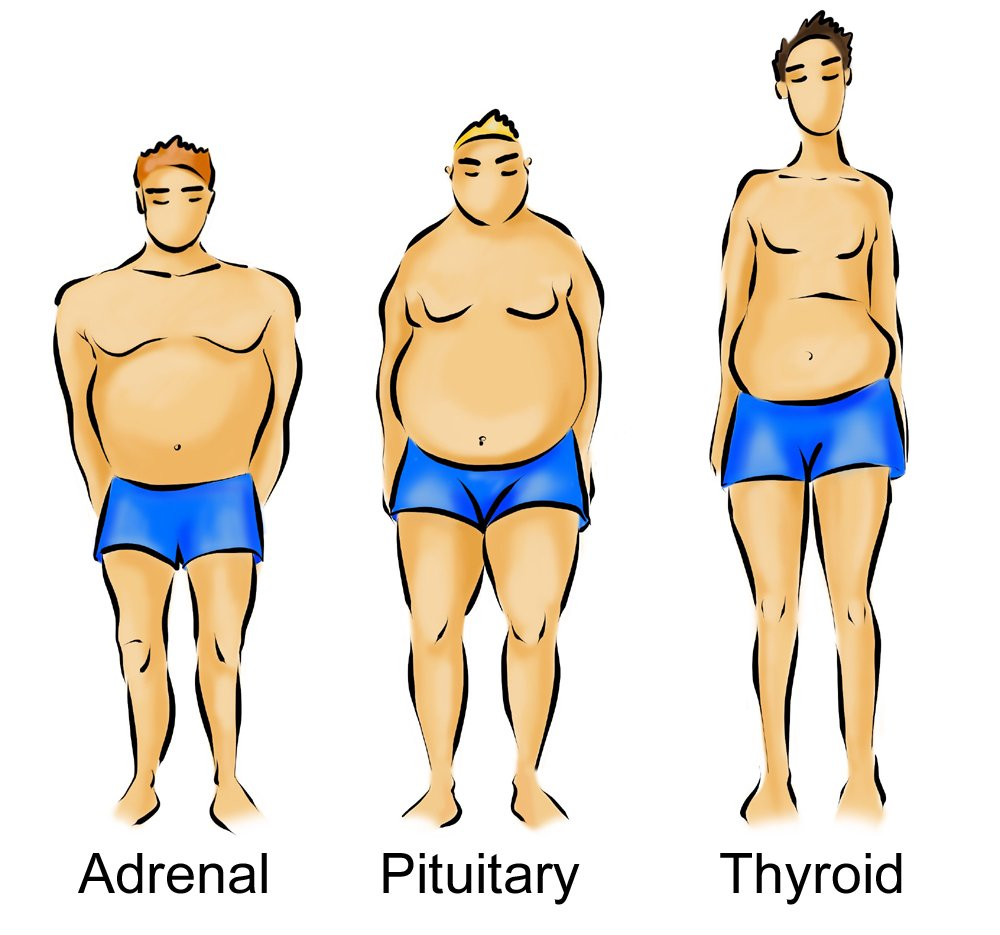
  • Thyroid hormone replacement therapy is given in pill form, injection, or implant.
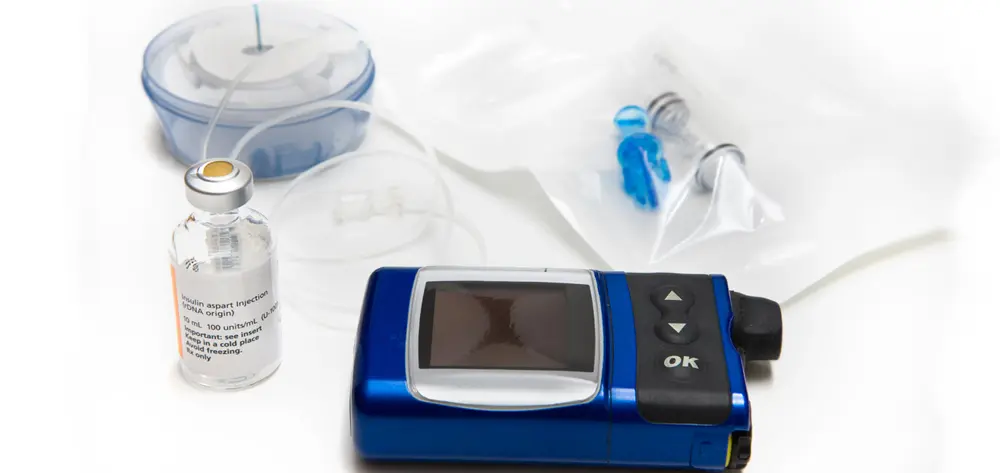
  • Thyroid hormone replacement therapy is usually needed to control the symptoms of Grave’s disease, but it may not be able to stop all the symptoms.
  • Radioactive iodine may be given before or after thyroid hormone replacement therapy for those who do not have enough response to the treatment.
  • Thyroid hormones are typically given at a low dosage for a few weeks and then increased gradually to find the lowest dose that works.

Conclusion & Take Away

The thyroid gland is the most important in the endocrine system. It produces hormones that regulate metabolism, growth, and body temperature. Thyroid disease is a major health problem in the United States, with about 20 million people diagnosed. If you are one of those people, make sure to avoid thyroid disease by following these steps:

  • Do a self-exam once a month.
  • Stay active and healthy.
  • Get enough sleep at night.
  • Don’t eat too much bread or cow’s milk.
  • Limit sodium intake
  • Quit smoking

The thyroid gland affects every organ and system in the body. So, it is not uncommon for people with thyroid disease to have other health problems. It is important to keep an eye on your thyroid health. 

You can do a self-exam. It can help you identify any problems early on, which may help you avoid the development of thyroid disease. You can also have an annual physical exam with your doctor, so they can test your thyroid function and diagnose any potential problems.

Thyroid Self-Exam

Thyroid Self-Exam

Source: verywell

To do this exam, you need to place your fingers on either side of your Adam’s apple and then slide them down until they meet at the bottom of your neck. You should feel for any lumps or bumps.

What Is A Thyroid: Causes, Symptoms & Treatment?2022-05-13T21:39:04+00:00
Go to Top