Blogs

20 09, 2022

What Is Breast Cancer?

2022-09-20T19:49:28+00:00

Cancer is a disease that can affect any part of the body. It is caused by the growth and spread of abnormal cells that invade surrounding tissues and organs. Cancer cells may also metastasize (spread to other body parts) through lymphatic or blood vessel systems. There are 100+ types of cancer, with melanoma being one type.

What Is Breast Cancer?

Cancer

Cancer is a group of diseases in which abnormal cells divide without control and can invade nearby tissues. Cancer cells can grow together to form tumors, which can then spread to other parts of the body.

More than 100 types of cancer can occur in the body at any age. In general, cancers are named according to the part of the body where they start. 

For example:

  • “Lung cancer” means lung tissue was invaded by abnormal cells.
  • “Breast cancer” means breast tissue was invaded by abnormal cells.
  • “Prostate cancer” means prostate gland tissue was invaded by abnormal cells (the prostate gland is located just below the bladder).

Common Types Of Cancer

There are many types of cancer, and they affect almost any part of the body.

Common cancers include breast cancer and lung cancer.

We can treat Colon and rectal cancers with surgery or chemotherapy (chemo), while lymphomas may require a stem cell transplant.

What Is Breast Cancer?

Breast Cancer

Breast cancer is the most common cancer among women. It can occur in men and women, although it is most commonly seen in women over 50. Breast cancer is a group of cancers that share similar traits. 

These include:

  • Cancer that originates from breast tissue (ductal carcinoma)
  • Cancer that originates from milk glands (lobular carcinoma)
  • Cancer that originates from cells lining the ducts or lobes of the breast (infiltrating ductal carcinoma)
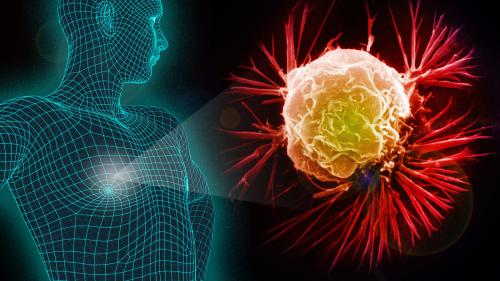
What Is Breast Cancer?

Signs And Symptoms

Signs and symptoms of breast cancer include:

  • Breast pain.
  • Nipple discharge (other than breast milk).
  • Dimpling or puckering of the breast skin.
  • Swollen lymph nodes in your armpits, neck, or upper chest. These can be felt as lumps under the skin.
  • Enlargement of one or both breasts (even if they still feel normal). 

In some cases, this change is sudden and noticeable; in others, it can be gradual over the years. 

Signs that may indicate this include

  • The nipple being misshapen 
  • The nipple becoming crinkled like creased paper 
  • The skin around the nipple feels hard to touch
  • A rash around your nipples

What Causes Breast Cancer

  • Aging

 As you get older, your risk for breast cancer increases.

  • Genetics

Your chance of developing breast cancer is higher if other family members have had the disease.

  • Lifestyle

Being overweight or obese can increase your risk for breast cancer; having a diet high in fat and low on fruits, vegetables and fiber also increases the chances of developing this type of cancer. 

Smoking causes DNA damage that can lead to changes in the cell’s ability to repair itself. Too much alcohol can cause similar damage and interfere with estrogen production (a hormone that plays a role in healthy cell division).

In addition, drinking alcohol interferes with vitamin B12 absorption — another substance needed for proper cell division and repair processes. 

Long-term use of contraceptive pills may increase breast cancer risk because they cause an imbalance between estrogen levels and progesterone (another female sex hormone) levels; they also raise prolactin levels by suppressing ovulation — an important part of maintaining normal hormonal balance during adulthood.

Hormonal changes occur during pregnancy but are usually temporary after giving birth; however, if those hormones remain unbalanced for longer periods, they could contribute to certain types of cancers, including breast cancers later on down life’s path.”

How It Can Be Diagnosed

Breast cancer develops in the breast tissue and can be diagnosed by looking for abnormal tissue growth. A doctor may observe certain signs and symptoms when examining your breasts, but most importantly, they will look for any lumps or masses that could indicate potential malignancy.

Breast cancer can be detected through various methods, 

including 

  • Mammography (X-ray)
  • Ultrasound
  • Magnetic Resonance Imaging (MRI)
  • Clinical Breast Exam
  • Breast Self Examination
  • Breast MRI Surveillance Program
  • Fine Needle Aspiration Biopsy (FNAC)
  • Computerized Tomography (CT Scan)
  • Bone Scanning/Positron Emission Topography (PET)

Fatal Conditions Of Breast Cancer?

  • Bladder cancer
  • Bone cancer
  • Brain and nervous system (central nervous system, peripheral nervous system) cancers
  • Brain cancer
  • Spinal cord tumors
  • Meningioma
  • Gliomas
  • Acoustic neuromas.
  • Breast cancer (including male breast cancer)
  • Cervical Cancer 
  • Colorectal Cancer (bowel cancer)
  • Kidney Cancer 
  • Kidney tumor or renal cell carcinoma
  • Renal pelvis tumor
  • Ureteral carcinoma
  • Transitional cell carcinoma of the renal pelvis and ureteral fossa
  • Collecting duct carcinoma of the kidney

Laryngeal Cancer –

Cancer of the voice box or larynx can be caused by smoking and drinking alcohol too much over long periods of time or exposure to industrial chemicals such as asbestos which causes constriction or narrowing in one part of the airway passage like the trachea leading into the lungs, so it becomes difficult for a person suffering from such condition to breathe properly due lack space between two affected bones.

When they come into contact with each other during the inhalation process, causing difficulty while breathing out through nostrils causing loss, weight gain, etcetera, symptoms suggest diagnosis requires urgent attention before it’s too late.

How Can We Prevent It

  • Eat a healthy diet.

A diet rich in fruits and vegetables may help reduce cancer risk.

  • Get regular exercise.

It’s important for overall health and helps to prevent obesity, which can be a risk factor for some cancers.

  • Limit alcohol drinking

Especially if you have a family history of cancer or are at higher genetic risk for cancers like breast or colorectal cancer because of inherited mutations in certain genes (BRCA1 and BRCA2).

  • Stay out of the sun without sunscreen or protective clothing when ultraviolet (UV) rays are strongest. Generally from 10 am to 4 pm during summer. If you must be outside during those hours, try to stay in the shade as much as possible.

Use sunscreen daily on exposed skin that will not be covered by clothing; more if your skin is sensitive or burned easily.

Reapply sunscreen every two hours while outdoors, even if you’re wearing protective clothing such as hats and sunglasses; use lip balm with sunscreen whenever you spend time outside so that lips don’t get chapped or cracked from wind burn, which can make them more susceptible to UV damage.

How To Cure It.

Cancer is a disease that can’t be cured but can be treated. The most common treatments include surgery, chemotherapy, radiation, and hormone therapy.

If you have cancer, your doctor may advise one or more treatments as part of your care plan.

Suppose you don’t have cancer yet but are at high risk for developing it because of poor lifestyle habits like smoking or obesity (excess body fat).

In that case, your doctor will also advise lifestyle changes to lower your risk factors — such as quitting smoking or losing weight — and they may prescribe drugs to help prevent the development of malignancies.

Possible Treatments

What Is Breast Cancer?

There are five main cancer treatment types: 

  • Chemotherapy
  • Radiation therapy
  • Surgery
  • Hormonal therapy
  • Biological therapy

Each type of treatment has its benefits and side effects.

Chemotherapy is the use of drugs to kill cancer cells in the body. The drugs can be taken orally (by mouth) or intravenously (into your vein). 

Side effects may include

  • Nausea or vomiting
  • Hair loss
  • Loss of appetite
  • Fatigue (tiredness)
  • Low blood counts (anemia)
  • Low white blood cells can cause infections or bleed
  • Low red blood cells can cause anemia and other symptoms like Dizziness or shortness of breath.
  • Higher risk for infection because your immune system isn’t working properly.
  • Fluid buildup in the lungs if you already have liver damage from cirrhosis caused by hepatitis B virus infection.

Medications

Medications are used to treat women with breast cancer. Many medications are available in the market, some of which are generic. 

These drugs’ most common side effects include 

  • Nausea
  • loss of appetite
  • Vomiting
  • Constipation. 

These drugs can be taken 

  • Orally
  • Intravenously
  • By inhalation

depending on their nature and mode of action.

Therapies

Many different types of therapies can be used to treat breast cancer. These therapies may be used after surgery or radiation therapy, or they may be used in combination with other treatments, such as chemotherapy. The goal is to shrink tumors and slow the spread of cancer cells to other parts of the body.

Surgeries

  • Surgery is the most common treatment for breast cancer. It may be used to remove the tumor or the entire breast (mastectomy).
  • Surgery may also be used to treat cancer that has spread to other body parts or when cancer hasn’t spread.
  • Lumpectomy surgery is used to remove only part of a tumor. This surgery is often used for early-stage cancers and can help avoid having your whole breast removed.
  • Mastectomies are generally performed if there are multiple tumors in one area, if lymph nodes under your arm have become enlarged from cancer cells spreading through them from your breast tissue, or if you’re at high risk because you’ve had radiation therapy previously for another kind of cancer treatment.

Surgeons can also perform mastectomies because they believe removing a woman’s breasts will reduce her chances of developing other types of cancer later. (i.e., prophylactic mastectomy).

In some cases—for example, when there isn’t enough healthy tissue left after removing an entire tumor—surgeons might leave behind small pieces called nipple-areola complexes attached alone without nipples or areolas!

Take care of your loved ones.

What Is Breast Cancer?

Want to help prevent cancer? Take care of your loved ones. If you notice any unusual changes in your body, get it checked. If you have a family history of cancer, get it checked. If you are over 40 years old and have a lump in your breast or if you have a family history of breast cancer, get it checked.

Cancer is the leading cause of death by the disease worldwide and has been for many years now! It can be avoided if caught early and cured when treated early enough—but only if it’s caught before it has time to spread through the body.

Conclusion

Cancer is a serious disease that affects millions of people worldwide each year. The good news is that many treatments are available to people with this condition and some ways to prevent it. There are many different cancer treatment methods, but the most important thing you need to know about them is that they will only work if you take them regularly. If you don’t take care of yourself, all these treatments won’t do much!
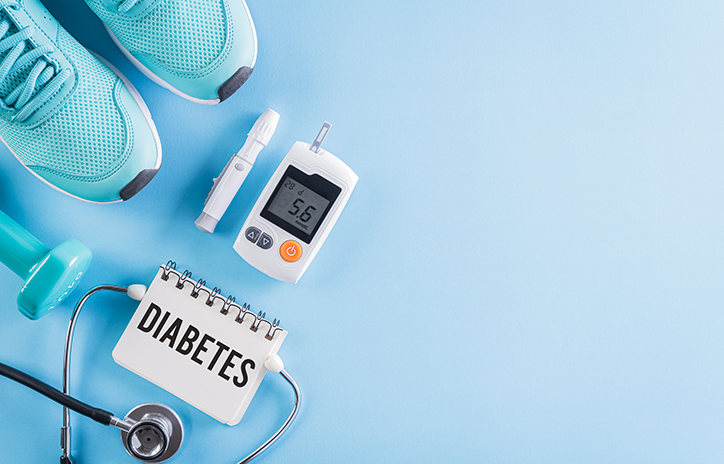
What Is Breast Cancer?2022-09-20T19:49:28+00:00
20 09, 2022

Insulin, Medicines, & Other Diabetes Treatments

2022-09-20T14:39:46+00:00

Diabetes is the most common disease in the world. It has many types and causes. A person with diabetes can get it easily if they are overweight, eats junk food, do not work out regularly, or do not follow a healthy lifestyle. If your parents have diabetes, you have a high chance of getting this disease too! Diabetes can also be hereditary.

Diabetes

Diabetes is when the body is unable to produce or use insulin properly. Insulin is a secretion that helps your body turn sugar (glucose) into energy. Suffering from diabetes means your body can’t make enough insulin, or the body’s cells don’t respond to insulin as they should, causing glucose levels in the blood to rise instead of being converted into energy that your cells need.

Diabetes may result in serious health problems over time without proper treatment and care. There are three main types of diabetes: type 1, 2, and gestational diabetes (which includes both pre-diabetes and gestational).

 Type 1 diabetes occurs when the pancreas stops making insulin altogether—you either were born with this form of the disease, or you may develop it later in life because of an autoimmune disorder. 

Type 2 diabetes develops when your body resists its available insulin—this form accounts for 90-95% of all cases worldwide. Gestational diabetes develops only during pregnancy; however, if untreated, it may carry over into the postpartum period after childbirth.

Preventing complications from developing depends on managing blood glucose levels through lifestyle changes and medications such as oral agents or injectable medications like GLP-1 agonists.

Types of Diabetes

Insulin, Medicines, & Other Diabetes Treatments

  • Type 1 diabetes, also known as insulin-dependent diabetes mellitus (IDDM), results from the body’s failure to produce enough insulin.

In type 1, the pancreas produces little or no insulin. As a result, glucose builds up in the blood and overflows into the urine.

This excess glucose can cause life-threatening complications: if someone with diabetes has an infection, their blood sugar levels may drop too low to fight it off.

  • Type 2 diabetes occurs when cells become insensitive to insulin or when there isn’t enough insulin being produced by the pancreas to maintain normal blood sugar levels.

With type 2 diabetes, either some of your body’s tissues do not respond properly (insulin resistance) or your pancreas does not make enough of this hormone (a condition called pancreatic beta-cell dysfunction). 

In the end, glucose builds up in your bloodstream instead of getting absorbed into other parts of your body, which is used as fuel for all types of activity—including thinking and physical activity.

Gestational diabetes occurs during pregnancy only and usually goes away after delivery; however, having gestational diabetes increases the risk that you’ll develop type 2 later on in life.

Pre-diabetes refers to any condition where there are early warning signs that you will develop type 2 within ten years if lifestyle changes aren’t made

Causes For Diabetes

Insulin, Medicines, & Other Diabetes Treatments

Diabetes, which can affect your body in several ways, results from your inability to produce or use insulin properly. Insulin is a hormone that manages how much glucose enters your cells to give them energy. If you have diabetes, too much sugar builds up in your blood, or not enough gets into your cells because they’re resistant to insulin.

Several factors can cause the condition:

  • Genetics

If you have a family history of diabetes and are overweight or obese, there’s an increased risk of developing type 2 diabetes. Genes may also play a role in developing gestational diabetes during pregnancy.

  • Obesity:

It occurs when excess fat accumulates around the waistline, making it difficult for people to lose weight through dieting and exercise alone because their bodies store more unused calories as fat than leaner individuals do under similar circumstances. 

Over time this leads to insulin resistance (when higher levels of circulating glucose trigger excessive production of insulin), which often progresses into full-blown type 2 diabetes if left untreated over long periods—especially if obesity continues unchecked despite lifestyle changes like dieting and exercising regularly together with standard medical care options like medications given periodically throughout each day).

How Can We Prevent Diabetes?

You may prevent or delay the onset of type 2 diabetes by losing weight, eating a healthy diet, exercising regularly, and maintaining a healthy weight.

  • Avoid obesity. Losing weight is one of the most effective ways to reduce your risk of developing type 2 diabetes. 

If you’re overweight or obese, losing as little as 5-10 percent of your body weight can improve your health.

  • Eat a healthy diet. Eating a healthy diet helps maintain glucose levels and keeps insulin in check—which is both important steps toward lowering your risk for developing type 2 diabetes. 

The American Diabetes Association recommends following the DASH (Dietary Approaches to Stop Hypertension) eating plan to help manage blood sugar and lower systolic blood pressure (the top number).

The DASH eating plan includes the following foods: Lean meats, fish, and poultry, Whole grains (like brown rice and whole wheat bread), Low-fat dairy products, Nuts and seeds, and Fruit Vegetables.

Insulin, Medicines, & Other Diabetes Treatments

Diagnosis

Insulin, Medicines, & Other Diabetes Treatments

To be diagnosed with type 1 diabetes, you must have a blood glucose level of at least 126 mg/dL and symptoms of hyperglycemia (blood sugar higher than normal). You must also be younger than 30 years old.

If your doctor suspects type 2 diabetes, they will measure your:

  • Blood glucose level

A test the oral glucose tolerance test (OGTT) is the gold standard for diagnosing this type of diabetes. It involves drinking a sweetened liquid and having more blood drawn several hours later to measure how much sugar remains in your bloodstream. Other tests can also help diagnose type 2 diabetes:

How can diabetes be treated?

Insulin, Medicines, & Other Diabetes Treatments

Diabetes treatment can include:

  • insulin injections and other medicines to help your body use sugar (glucose) effectively
  • healthy eating and regular exercise
  • Weight management if you are overweight or obese

Insulin

Insulin is a hormone that lowers blood sugar levels by facilitating the absorption of glucose into cells. The pancreas produces insulin secreted by beta cells in the Islets of Langerhans. 

Insulin enters the bloodstream and travels to the liver, muscle tissue, and fat cells for storage or use. Ingesting carbohydrates activates your body’s “sugar response system.” 

Your pancreas releases more insulin into your bloodstream for about an hour after eating a high-carbohydrate meal. Levels drop as your glycogen stores are replenished over time (with exercise).

Insulin can also be taken orally via an oral medication such as metformin or sitagliptin—both of which help lower blood sugar levels—or inhaled through an inhaler device called Afrezza®, which delivers rapid-acting insulin directly into your lungs through tiny doses of powder that dissolve on contact with moisture from saliva in your mouth.

Mechanism

Diabetic patients do not produce enough insulin or cannot use it effectively because their bodies are resistant to its effects. Insulin is a hormone that helps regulate glucose levels in the blood. Insulin also works by allowing glucose to enter cells, converted into energy used throughout the body. This can lead to high blood glucose levels, which increase the risk for complications such as heart disease and stroke.

Medications

Medications are the common way to treat diabetes. They can help control blood sugar levels, reduce the risk of heart attack and stroke, and help you lose weight.

  • Insulin is a secretion that helps your body use sugar in food for energy. In people with type 1 diabetes, the pancreas cannot make insulin because their bodies don’t produce it naturally anymore. People with type 2 diabetes often take insulin and other drugs to control their blood sugar levels better than diet alone.
  • Oral medications are pills that lower high blood sugar levels by helping the body make or use more insulin on its own — or by helping keep glucose from entering cells, so there’s less for them to burn for energy; 

these include 

  • metformin (Glucophage)
  • sulfonylureas such as glipizide (Glucotrol) or glyburide (Micronase)
  • biguanides such as metformin
  • thiazolidinediones such as rosiglitazone (Avandia) or pioglitazone (Actos), 
  • DPP-4 inhibitors like sitagliptin.

Therapies

Therapies for diabetes can be divided into two categories:

  • Educational.

This is the first line of defense against diabetes. It involves teaching patients about healthy eating habits, exercise, and other lifestyle changes that can minimize the effects of diabetes.

  • Medical

Therapies are suggested to the patient after they have exhausted all options in managing their diabetes, including diet and exercise; these include medications and insulin therapy (see below).

Other Factors In Treating Diabetes

If you have diabetes, the following are additional ways to manage your symptoms and prevent complications:

  • Diet and exercise. 

The American Diabetes Association recommends eating a healthy diet based on the U.S. Department of Agriculture’s food pyramid and exercising regularly to help control your blood sugar levels.

  • Weight loss.

 If you’re overweight or obese, losing just 5% of your body weight can reduce some of the effects of diabetes, such as high blood pressure, cholesterol levels, and insulin resistance (when cells don’t respond well to insulin). Losing weight might also help lower your risk of developing type 2 diabetes.

  • Foot care.

People with diabetes should take special care of their feet at home by wearing good shoes that fit properly and checking them daily for cuts or sores that may require medical attention; see a podiatrist if necessary; cleanse calluses regularly with a pumice stone or corn pad; soak feet in warm water twice weekly (not hot) followed by application of moisturizer; avoid tight socks made from synthetic materials. Wear comfortable cotton socks.

Diabetes is a serious disease, and it’s important to do whatever you can to manage it effectively. Setting small, realistic goals can help motivate you to make positive changes in your lifestyle.

Try setting these goals.

Conclusion

Diabetes is a chronic condition that can be supervised with the right help. It’s important to know your options and share them with your doctor, who will help you choose the best treatment plan for your needs.

Insulin, Medicines, & Other Diabetes Treatments2022-09-20T14:39:46+00:00
19 09, 2022

What Will Happen If You Give Up Treatments For PCOS?

2022-09-19T15:19:29+00:00

What will happen if you give up treatments for PCOS?

PCOS, or polycystic ovarian syndrome, is a common disorder affecting millions of women worldwide. As many as 4% of all women will develop this condition. It can be uncomfortable and frustrating to deal with, but it does not have to lead to fertility issues. The good news is that various treatments for PCOS are available to help prevent any serious complications from developing.

What is PCOS?

PCOS is an endocrine disorder among women and can occur in as many as 10% of women of reproductive age. It is mainly characterized by small cysts on the ovaries and high levels of male hormones (androgens) in the body. 

The condition can cause irregular periods, acne, and excess hair growth on the face or body.

The precise cause is still unknown, but some studies suggest genetic factors may play a role in its development.

What are the reasons for PCOS?

  • PCOS is caused by high levels of androgens, a class of hormones responsible for male characteristics. Androgens can be produced by your ovaries or adrenal glands, affecting women with PCOS. 

In women with PCOS, their ovaries produce higher than average amounts of androgen because their bodies have trouble converting testosterone into estrogen.

  • The second reason PCOS occurs is the body’s inability to use insulin properly. Insulin is a hormone that regulates blood glucose levels throughout your body.

If you have diabetes (type 1 or 2), you may have an elevated insulin level in your bloodstream. Too much insulin floating around in the bloodstream causes problems with other hormones like testosterone and estrogen because they need to work together to regulate each other’s production rates within the body (in addition to many other functions). 

  • The third cause of this condition is that some people don’t produce enough estrogen, testosterone, or both.

Signs and Symptoms of PCOS

What will happen if you give up treatments for PCOS?

If you have PCOS and stop taking medication, the symptoms may return.

  • Hair loss

 If you’re taking hair loss medication for your PCOS, you must continue using it if it’s working for you. Stopping the treatment could cause your hair loss to get worse.

  • Acne

 You’ll need to continue treating acne if it’s getting better but not gone completely.

  • Weight gain

 If weight gain is a problem with your PCOS, continuing treatment will help keep this under control until diet and exercise can take over.

Features of PCOS

PCOS is a common endocrine disorder that affects more than 5 million women in the United States. PCOS affects about 10 percent of reproductive-age women, and it’s the most common cause of female infertility. It may also develop other serious health problems such as heart disease, diabetes, and endometrial cancer.

PCOS can cause

  •  Irregular periods
  • Unwanted hair growth on the face or body (hirsutism)
  • Acne
  • Weight gain. 

The condition also increases your risk of 

  • Developing high cholesterol levels
  • High blood pressure
  • Sleep apnea (breathing problems during sleep).

Hormonal changes and PCOS

Menstrual cycle changes

  • There are two types of menstrual cycles, ovulatory and anovulatory. An ovulatory cycle is when you produce an egg, and the follicle releases it during ovulation.
  • The other type of menstrual cycle is called anovulatory, which means a follicle releases no egg due to hormonal imbalances caused by polycystic ovarian syndrome (PCOS).
  • When you have PCOS, your body does not release eggs as it should during ovulation because your hormones are out of balance. This can cause irregular periods or no period for 12 months in some women with this condition.
  • The lack of ovulation causes fertility issues because there is no egg available for fertilization from sperm cells; therefore, pregnancy cannot occur naturally without help from medication such as Clomid or injectable Gonadotropins (Lupron).

What Can Be The Possible Treatments For PCOS?

As you can see, there are many treatments available to treat PCOS. However, the best treatment options for PCOS are lifestyle changes and medications. Lifestyle changes include weight loss, exercise, and a healthy diet. 

Medications include birth control pills and metformin (oral diabetes medication). Other possible treatments include insulin sensitizers or anti-androgens if you have insulin resistance (elevated insulin levels).

Home Remedies 

So, what’s the alternative? A home remedy is a non-toxic substance that can be used to treat symptoms of PCOS. Home remedies are safe and effective in moderation but do not cure PCOS. The best way to treat your condition is with medical intervention from a doctor or specialist who knows about treating this disorder.

Homeopathic Treatments

Homeopathic medicines are safe and effective and can be used to treat all age groups. They can also be used for all symptoms of PCOS.

Homeopathic medicines are made from natural sources and according to strict guidelines by homeopathic practitioners. These rules mean that homeopathic medicines cannot contain any active ingredient, so they have no side effects or risks. 

This makes them very effective in treating conditions like PCOS, where there may be concerns about the safety of conventional treatments, or there may be concerns about the side effects of such treatments.

Allopathic Treatments

Allopathic treatments are medicines prescribed by doctors. These include birth control pills, metformin, and other diabetes medications and creams that help with hair growth.

Allopathic treatments have side effects—some may be quite unpleasant, so it’s important to speak with your doctor about them before starting any treatment. 

Some women don’t feel comfortable taking these drugs because they aren’t effective for every woman with PCOS and can also be expensive.

Consequences Of Giving Up On Treatment For PCOS?

If you choose not to treat PCOS, the consequences can be serious. The most common risk is that your ovaries will stop working properly, which means you may end up with too few or no eggs. This means that it’s possible for your body not to be able to get pregnant without medical intervention.

PCOS is a chronic condition, so if you give up treatments and don’t take care of yourself, there are several other risks as well:

  • Infertility 

Without treatment, PCOS can make it more difficult for women with the condition to get pregnant (if they want kids).

  • Weight gain

 If you don’t manage your weight and start gaining too much weight over time (especially around your waist), this increases the risk of heart disease and diabetes in people with PCOS.

This makes sense if we consider why polycystic ovary syndrome causes infertility problems: ovarian cysts usually cause hormonal changes in women who have them.

When you have PCOS, your ovaries make more male hormones like testosterone. Many doctors think that the condition is caused by too much testosterone in your body.

Other Effects That PCOS Can Cause On Your Body?

If you have PCOS and are thinking about giving up treatments, it’s important to know that it may also cause other problems in your body. One of the most common side effects is infertility, which means you could want to consider having children at some point in your life. Other effects include:

  • Increased risk of endometrial cancer (cancer of the uterus). This is a serious condition that requires immediate medical attention if it happens.
  • Increased risk of ovarian cancer. Ovarian cancer is one of the most deadly cancers among women, and one woman dies every hour from this disease in America alone! It’s important to get treatment right away if you have symptoms like pain or discomfort in your abdomen area.
  • Increased risk of developing gestational diabetes occurs only during pregnancy. It can result in complications affecting both mother and baby, like high blood pressure during delivery or fetal macrosomia (big baby).
  • Increased risk for developing high blood pressure later on down the road due to insulin resistance having negative effects on cholesterol levels too high, which leads to heart disease.

Thus making these two issues linked together with each other since both conditions share many similar characteristics, especially when looking at long-term results from untreated PCOS patients who’ve never gotten treatment before.

Conclusion

PCOS is a complex disease, and you should consider the treatment options available before deciding to give up. If your doctor recommends you take these medications, then it is best to follow their advice. The right combination of these things will help eliminate this problem permanently without any side effects.

What Will Happen If You Give Up Treatments For PCOS?2022-09-19T15:19:29+00:00
19 09, 2022

Are There Any Medical Reasons Why I Can’t Lose Weight?

2022-09-19T14:46:21+00:00

Weight loss is a topic that most people have dealt with at some point in their lives. Whether it’s intentional or unintentional, losing weight can be difficult. Getting to a healthy weight can be even more challenging if you’re experiencing medical reasons why it’s not happening immediately as you’d like. 

So what are the possible medical reasons you may not lose weight? Are there any reasons other than diet and exercise? What do doctors recommend if this becomes an issue for you?

Are there any medical reasons why I can't lose weight?

What Is Obesity?

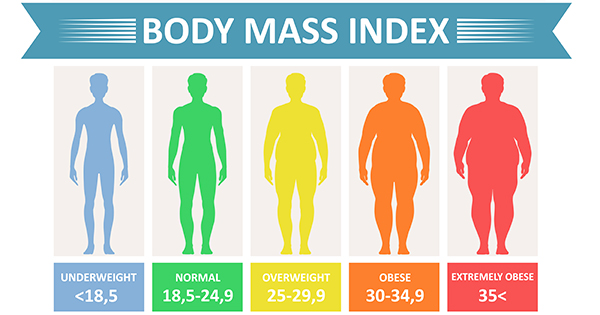
Obesity is a body mass index (BMI) of 30 or higher. BMI is calculated by dividing your weight in kilograms by your height in meters squared, or (w/h2). A healthy BMI range for adults is between 18.5 and 24.9, with anything above 25 classified as overweight and 30+ as obese.

Obesity has been causing health problems such as heart disease and type 2 diabetes, so if you think that you can’t lose weight because of a medical condition related to these illnesses, then it’s important to speak with a doctor before jumping into any drastic lifestyle changes.

Are there any medical reasons why I can't lose weight?

Index mass body. Rating chart of body fat based on height and weight in kilograms. Vector flat style cartoon illustration isolated on white background

Side Effects Of Obesity

Obesity can cause several health problems, including:

  • High blood pressure
  • Heart disease and stroke
  • Type 2 diabetes

Obesity may be the reason for developing sleep apnea. This is a condition where you stop breathing for short periods during sleep. If you have sleep apnea, your brain doesn’t get enough oxygen, leading to serious health problems like heart attacks and strokes.

The main way to treat obesity-related conditions like these is with weight loss or bariatric surgery (sometimes called “stomach stapling”). Bariatric surgery is an operation that removes part of your stomach, so it’s smaller than normal size. 

This reduces the amount of food that can fit inside the stomach and slows down how quickly food moves through it.

 You might also need treatment for other medical conditions related to being overweight or obese—for example,

  • Hypertension
  • Type 2 diabetes
  • Hyperlipidemia
  • Obstructive sleep apnea syndrome (OSAS)
  • Coronary heart disease
  • Depression/anxiety disorders.

Why Am I Not Losing Weight?

If you are not losing weight, it could be due to several reasons. You may be eating too much and not exercising enough, or you could have a medical condition preventing you from losing weight. You might have:

Are there any medical reasons why I can't lose weight?

Possible Medical Reasons That Restrict Weight Loss

There are a few medical reasons you may be unable to lose weight.

  • Polycystic Ovary Syndrome
  • Hypothyroidism
  • Insulin Resistance
  • Hormonal changes
  • Mental health issues

Polycystic Ovary Syndrome

Polycystic ovary syndrome (PCOS) is a condition that involves irregular periods, facial hair, and acne. It may also lead to weight gain, which makes it difficult to lose weight.

What Is PCOS?

PCOS occurs when the body produces high levels of certain hormones, including androgens. Androgens are male sex hormones that women also have in smaller amounts. In PCOS, these hormones cause an imbalance in your body’s reproductive system, leading to infertility (the inability to get pregnant).

Symptoms Of PCOS

  • Irregular periods or complete lack of menstruation (amenorrhea)
  • Hair growth on your face, chest, and abdomen — not just your scalp — called hirsutism, as well as unwanted facial hair growth known as virilization 
  • Acne

Hypothyroidism

Hypothyroidism, also known as underactive thyroid, is the most common cause of weight gain. The thyroid gland secretes hormones that control energy levels, heart rate, and blood pressure. If you have hypothyroidism, your body doesn’t produce enough of these hormones.

In men and women older than 50 or those who are overweight or obese when they develop this condition, underactive thyroid can be caused by dietary factors such as too much salt or not enough iodine in the diet (the body needs iodine to make the thyroid hormone).

 Some medications may also contribute to an underactive thyroid.

Insulin Resistance

Insulin is a hormone that helps use glucose (blood sugar) for energy. Insulin resistance is when the body does not respond to insulin properly. If you have insulin resistance, you may need higher insulin doses or more frequent injections to control your blood sugar levels.

Insulin resistance can lead to type 2 diabetes and high blood pressure, increasing your risk of heart disease and stroke.

Obesity is one cause of insulin resistance; lack of exercise can lead to this condition. A person’s age may contribute as well: As they age, muscles become less sensitive to the effects of insulin and cannot respond appropriately as needed by the body, causing an increase in blood sugar levels over time.

Hormonal Changes

Hormones can also play a role in weight gain. If you’ve recently had an abnormal hormone level, you may be experiencing a slow metabolism or difficulty losing weight. This could be because of a thyroid problem or even the early stages of pregnancy.

If your hormones are out of whack—and they’re not just making you moody—then it’s worth seeing a doctor rule out other medical conditions that could be causing your symptoms. 

In some cases, hormonal changes can be caused by other health problems like diabetes, hypothyroidism, and polycystic ovary syndrome (PCOS).

In addition to checking with your doctor about any hormonal changes, there are steps you can take to help mitigate them:

Keep track of what foods cause cravings for certain carbohydrates, such as loaves of bread and pasta; these may contain more sugar than necessary for what we need based on our daily caloric intake goals, so keep track!

Eat healthy meals throughout the day so that you never have an extreme hunger pang leading to overeating later in the evening.

Mental Health Conditions

If you have a mental health condition, this may be affecting your ability to lose weight.

Mental illnesses like depression and anxiety can lead to changes in appetite and activity levels, which may affect weight loss efforts. If you’re suffering from one of these conditions and are struggling with your weight, talk to your doctor about what they suggest doing differently and how they might help you manage any symptoms of the illness that changes in diet could cause.

Suppose you have schizophrenia or bipolar disorder (manic depression). In that case, it’s important to maintain regular meals and exercise routines because these regulate blood sugar levels which help prevent mood swings that could cause an increase in food cravings. 

These two conditions also put people at risk for diabetes, so keeping an eye on the diet will help avoid complications later on down the road—and keep blood sugar levels stable!

Other Reasons

  • Sleep apnea
  • Thyroid problems
  • Mental health problems
  • Chronic stress and anxiety
  • Cushing syndrome 

Chronic Stress

  • Stress

Many studies show that stress can cause you to overeat and avoid exercise, resulting in weight gain.

  • Tiredness

If you’re always tired, it’s hard to get motivated to exercise (especially when you’re exhausted).

  • Irritability

Feeling irritable makes it difficult for you to stick with a diet plan because being around others stresses you out and might make it hard for them not to react negatively when they see how much food is on your plate at mealtime—not exactly a supportive environment.

Cushing Syndrome

Cushing syndrome occurs when the body produces the hormone cortisol in excess. The common cause of Cushing syndrome is taking too much corticosteroid medication, which can be prescribed to treat inflammatory conditions.

Hashimoto’s Disease

Hashimoto’s disease is an autoimmune disorder in which your immune system attacks the thyroid gland. It causes hypothyroidism, a condition where your body doesn’t produce enough of certain hormones.

Symptoms Often Include

  •  fatigue
  • weight gain
  • muscle aches
  • joint pain
  • depression.

It’s possible that Hashimoto’s disease could contribute to your weight gain — but it’s important to get a proper diagnosis before making any assumptions about the cause of your weight struggles.

Congestive Heart Failure

Congestive heart failure is when the heart cannot pump enough blood to meet the body’s needs. Symptoms include shortness of breath, fatigue, and swelling in the legs and abdomen.

See a doctor immediately if you have these symptoms while trying to lose weight. This is a fatal condition that can be life-threatening if not treated properly.

Insomnia

Insomnia is a common problem caused by several factors, including stress, depression, anxiety, or hormone imbalances. Lack of sleep over time leads to an increased stress response from your body. This can cause an increase in cortisol levels, suppressing appetite and increasing fat storage in the body.

Another reason for difficulty sleeping could be related to food sensitivities. Foods like gluten, dairy, and sugar have been shown to cause digestive problems such as bloating, leading to chronic pain and poor sleep quality.

If you think you might have any underlying medical conditions causing insomnia,I recommend seeing your doctor for further assessment before making any changes to your diet or exercise routine!

Conclusion

If you’re having trouble losing weight and think you might have a medical reason for it, consult your doctor. It’s good to be aware of any health issues or conditions affecting your weight loss goals to address them early on. 

And remember: 

If you have diabetes or high blood pressure, there are ways to manage those conditions so they don’t hold back your progress towards a healthier lifestyle!

Are There Any Medical Reasons Why I Can’t Lose Weight?2022-09-19T14:46:21+00:00
14 09, 2022

What If Your Pituitary Gland Does Not Function?

2022-09-14T17:42:40+00:00

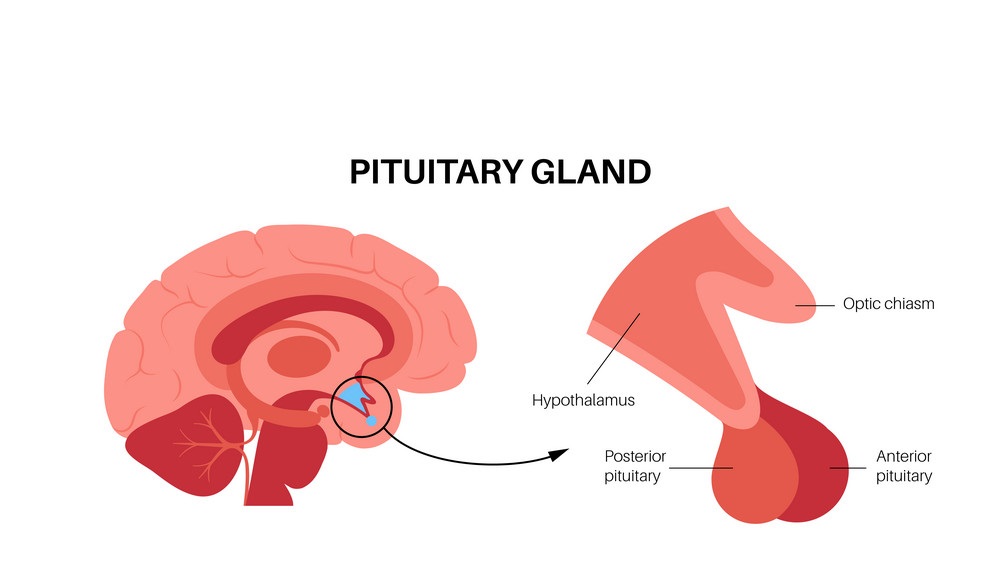
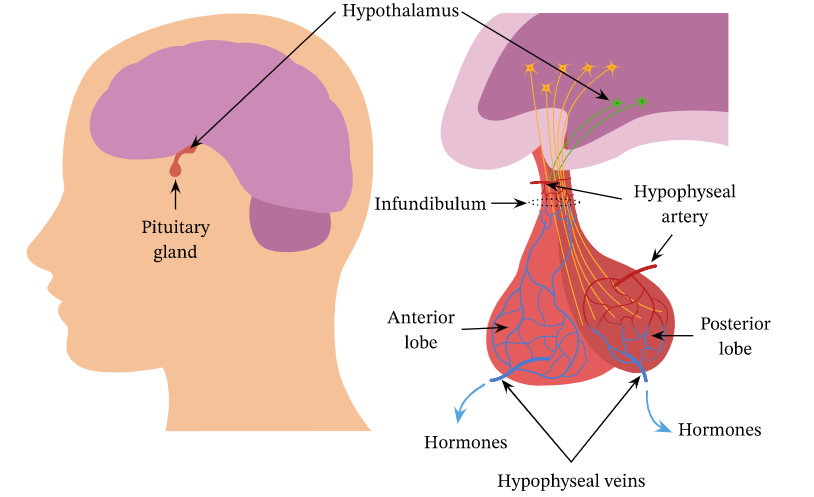
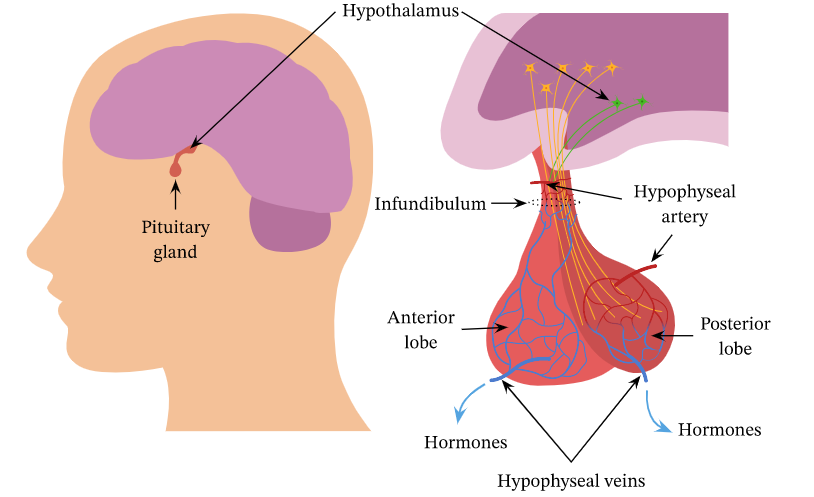
The pituitary gland is a small organ located in the center of the brain, responsible for producing hormones that regulate various functions of other organs. The pituitary gland consists of two lobes: anterior and posterior. Nerves connect it to other body parts, including the hypothalamus (a part of the brain).

What if the pituitary gland does not work?

Glands

Glands are organs that secrete substances into ducts. Glands are found all over the body, including in areas such as the mouth, nose, and skin.

They can be made up of one or more types of cells. In general, glands have a secretory function—they produce and release chemical substances into the surrounding tissue.

Pituitary gland

The pituitary gland is a small endocrine gland located at the base of the brain. It works with other glands to control how your body works.

The hypothalamus controls some parts of your nervous system, including

  • Hunger
  • Thirst
  • Body temperature. 

It’s connected to the hypothalamus and hypophysis through nerve tissues, which carry messages.

The hypothalamus makes hormones that tell your pituitary gland when it should release hormones; this process is known as negative feedback because it stops production once levels reach a certain point (like an off switch).

The hypophysis makes thyrotropin-releasing hormone (TRH), which stimulates TSH production by thyroids (glands that regulate metabolism).

Parts of Pituitary glands?

The pituitary gland is a small, pea-sized gland located beneath the base of your brain. It produces hormones that control growth and development, metabolism, sexual function, and many other processes in your body.

The pituitary gland comprises two parts:

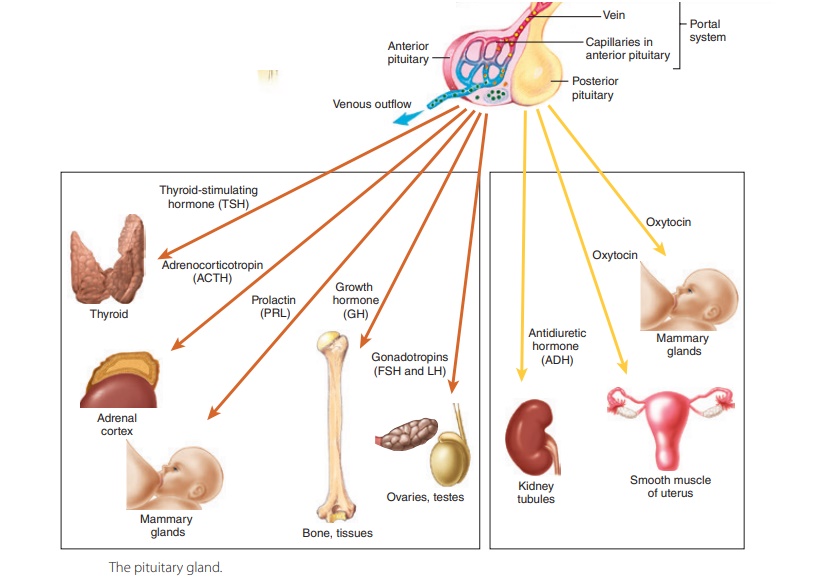
 The anterior lobe produces hormones such as

  •  growth hormone (GH)
  •  Prolactin
  •  adrenocorticotropic hormone (ACTH). 

The posterior lobe produces

  • antidiuretic hormone (ADH) 
  • vasopressin.

Location of the pituitary gland?

The pituitary gland can be found at the base of your brain, just above the hypothalamus. It’s connected to the hypothalamus by a stalk and surrounded by blood vessels and nerves.

The pituitary gland is responsible for many different functions in the body, including hormone production and regulation.

The pituitary gland produces hormones that:

  • Control growth
  • Development
  • Metabolism
  • Sexual function.

Hormones secreted by the Pituitary gland?

The pituitary gland secretes several hormones, including:

  • Growth hormone: 

This is important for maintaining healthy body function. It helps you grow taller and maintain good muscle mass.

  • Thyroid-stimulating hormone (TSH):

This regulates the levels of thyroid hormones in your blood, which are important for regulating metabolism.

  • Adrenocorticotropic hormone (ACTH):

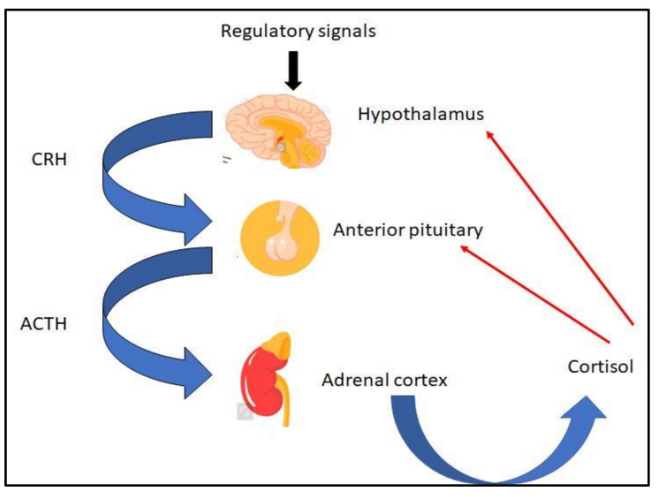
ACTH is produced by the anterior lobe and released in response to stress 

Or injury to your body’s adrenal glands. It stimulates them to produce cortisol, a key anti-inflammatory and anti-stress hormone that helps you adapt when faced with trauma or stressors like illness or injury.

  • Follicle-stimulating hormone (FSH):

This helps regulate reproductive function in both men and women by stimulating sperm production in men, ovulation in women, spermatogenesis (production of new sperm cells) in males—as well as the maturation of ovarian follicles during female puberty—and growth rate among all developing fetuses before birth.

  • Luteinizing Hormone (LH): 

LH triggers ovulation each month after an egg has been released from one of your ovaries by causing its follicle sacs to rupture so that they may release their mature eggs into nearby fallopian tubes where they can be fertilized if present sperm manage to travel through the genital tract via ejaculate entered into the vagina during intercourse within 72 hours prior until 60 minutes after ejaculation occurs; otherwise known as “post-coital contraception.”

What functions does the Pituitary gland perform?

The pituitary gland is the master gland of the body. It is responsible for releasing hormones that help in the growth, development, and regulation of body processes. The pituitary gland helps in the regulation of growth hormones and sex hormones. It also helps to control thyroid glands.

The hypothalamus is an important part of our brain as it controls different functions of our body, like metabolism, temperature regulation, etc. 

This section contains a gland called Hypophysis or Pituitary Gland, which secretes hormones that stimulate other glands to produce their respective hormones (the ones responsible for making us feel good). These two sections together can be termed as “Hypothalamic-Pituitary Axis.”

How does the pituitary gland act on targeted organs?

The pituitary gland is an endocrine gland that lies below the hypothalamus. It secretes hormones that control the body’s growth and development, helps regulate its metabolism, and regulates its energy use.

 The pituitary gland is controlled by a group of nerve cells called the hypothalamus. These nerve cells send signals to specific areas of your pituitary gland, telling it to release certain hormones into your bloodstream.


  • Thyroid gland 

stimulates its production of thyroxine.

  • Adrenals

stimulate the production of cortisol.

  • Ovaries/testes

stimulate the production of sex hormones. These hormones travel through your bloodstream to targeted organs, including:

On what mechanism does it work?

The pituitary gland is a small organ that lies just below the brain. It’s part of your endocrine system, which produces hormones (chemical messengers) that send signals to cells in other parts of your body. The pituitary gland has two parts:

  • Anterior lobe:

 This part produces tropic hormones, which control the activity of other endocrine glands in your body.

  • Posterior lobe:

These are regulatory hormones because they help keep hormone levels balanced throughout the body. This includes releasing growth hormone and prolactin when needed to stimulate growth or lactation.

What if the pituitary gland stops working?

If your pituitary gland stops working, it may not be able to produce enough hormones to keep you healthy. If this happens, you may have symptoms related to hormone deficiency.

 For example, if your body isn’t producing enough growth hormone (GH), you may have short stature or low muscle mass and strength.

Another thing that might happen is that your body will make more than enough of one hormone but not enough of another. This is called an overproduction or underproduction problem. 

You could experience high blood pressure due to excess adrenocorticotropic hormone (ACTH) production

  •  too much prolactin in women causes milk production and menstrual cycle changes.
  •  Too much growth hormone causes gigantism and acromegaly in adults.
  •  Too little thyroid-stimulating hormone (TSH) results in hypothyroidism,

leading to weight gain and fatigue.

What will be the consequences of the non-functioning of the Pituitary gland?

Knowing the possible consequences of a non-functioning pituitary gland is very important. The Pituitary gland is located below the hypothalamus in the brain, and it secretes hormones that help in the functioning of different systems of our body. 

Some diseases, like acromegaly and Cushing’s syndrome, affect this part of our body. If you do not treat your pituitary gland properly, you may suffer from many other health issues, such as diabetes, obesity, or high blood pressure.

Some symptoms that indicate a disease can be:

  • Tiredness or low energy levels
  • Difficulty concentrating on tasks or activities
  • Loss of libido (sex drive)
  • Feeling fatigued during exercise, even after warming up properly.

The best one can do to prevent these problems is by taking care of your pituitary gland regularly through:

  • Eating healthy food regularly (avoid junk food)
  • Avoiding stress as much as possible; try meditation practices instead!

How does it affect the different parts of the body?

Pituitary gland problems can affect your body in several ways. The pituitary gland is responsible for producing hormones that are essential for growth and development, as well as regulating other functions in the body. 

The hypothalamus produces two hormones:

  •  growth hormone (GH)
  •  prolactin (PRL). 

These then travel to the pituitary and are released into the bloodstream.

The hypothalamus also controls thirst and hunger, body temperature, sex drive, sleep cycles, and mood changes by releasing specific hormones from either or both of these structures.

The pituitary gland is located in the middle of your brain at the base of your skull behind your nose, where it connects to this structure employing a stalk called a “hypophyseal portal system.”

Why does the pituitary gland stops working?

The pituitary gland can stop working for several reasons.

  •  Tumors
  •  brain injuries
  •  Strokes
  •  head injuries
  •  infections 

These can be the common causes of hypopituitarism (when the pituitary gland does not work). The most common cause is a tumor that starts in the pituitary gland or an infection from outside sources such as viruses or bacteria.

How do we know when Pituitary Gland stops working?

Talk to your doctor if you have any of these signs and symptoms. You may be at risk for a pituitary gland problem:

  • Frequent headaches
  • Dry skin
  • Excessive thirst or frequent urination
  • Weight gain or loss without trying

You also may need to see a doctor if you have any of these symptoms:

Mood swings and depression that are severe or last more than two weeks.

The most common signs of a tumor include:

  •  Headache (especially in the morning).
  •  Visual changes such as double vision.
  •  Eye pain.
  •  Poor vision (including blurred vision).
  •  Partial blindness (tunnel vision).
  •  And an enlarged pupil(s) is not associated with an eye injury.

 These symptoms can be caused by many entities other than tumors, so it is important that if you experience these symptoms, you seek medical care immediately so proper testing can be done for treatment options to be determined.

What is the disease related to the pituitary gland?

  • Hypopituitarism
  • Hyperpituitarism
  • Cushing’s syndrome
  • Acromegaly
  • Pituitary apoplexy (if there is a blood clot in the pituitary gland)
  • Pituitary tumors (if you have a tumor on your pituitary gland, it could cause problems with your other glands)
  • Diabetes insipidus (a rare condition where you constantly urinate and pass more urine than normal)
  • Loss of vision

How can it be treated?

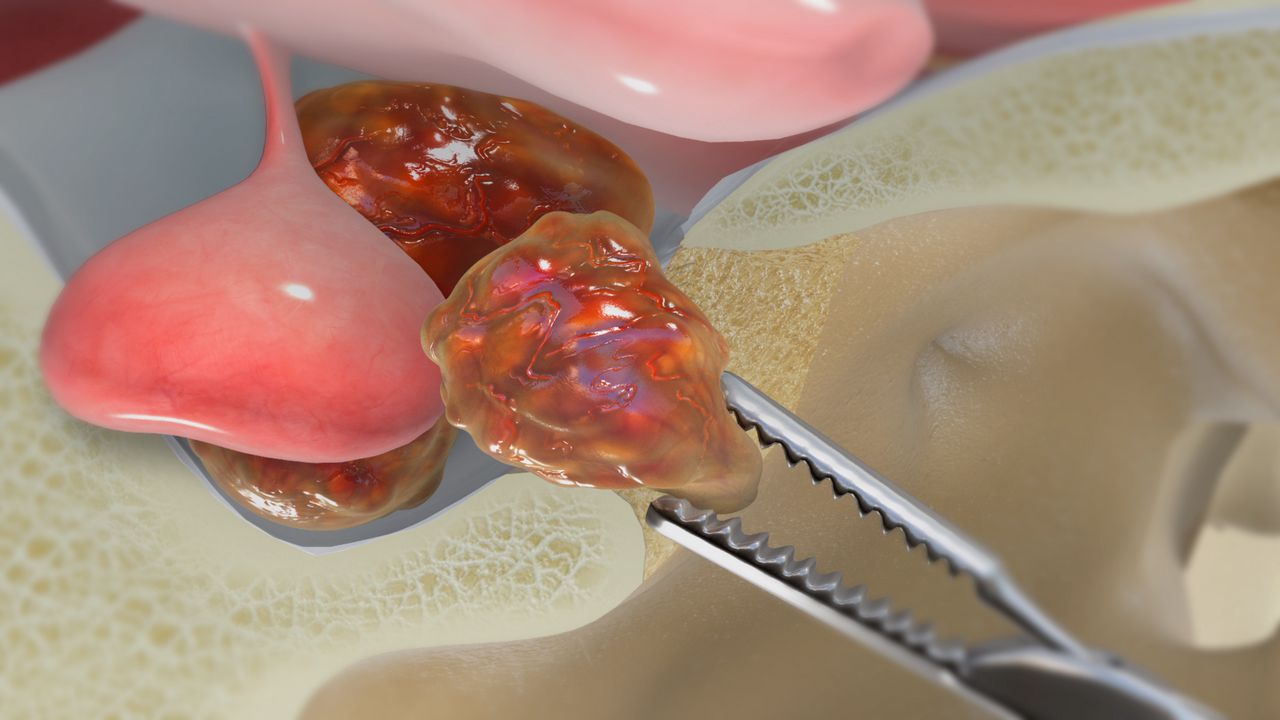
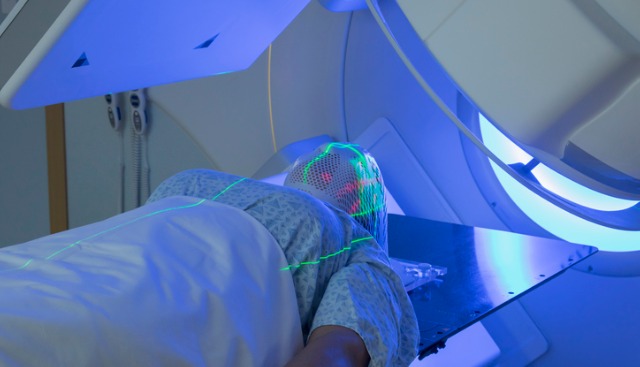
Treatment varies depending on the cause of your pituitary gland problem. It may include medication, surgery, and radiation therapy. This depends on the tumor’s location and whether it has been diagnosed early enough to shrink with medication. Surgery can sometimes restore normal hormone levels if they have fallen too low.

Suppose you have a pituitary tumor grown large enough to press on structures in your brain or optic nerves. In that case, it might be necessary to remove it surgically (a craniotomy procedure). Radiation therapy or chemotherapy may also be part of this treatment plan.

When should I consult a Doctor?

If you are having trouble with your vision, hearing, or smell, or if you have any other symptoms that worry you (such as headaches), the first thing to do is see your doctor.

If they can’t help, they will refer you to a specialist for pituitary gland problems.

Conclusion

The pituitary gland is known as the master gland because it regulates other bodily glands. Keeping it healthy means keeping yourself healthy.

Having any unusual symptoms or activities in your body should not be taken easily, and you should visit a good doctor as soon as possible.

Request an appointment with the best Doctors in Houston, Texas, to get yourself checked.

What If Your Pituitary Gland Does Not Function?2022-09-14T17:42:40+00:00
28 07, 2022

What Sort Of Vitamins And Minerals Support Bone Density?

2022-07-28T20:52:53+00:00

What Sort Of Vitamins And Minerals Support Bone Density?

Source: Pinterest

For many people, vitamins and nutrients are lacking in their diet. This can cause a number of health problems. For example, if you don’t get enough calcium, you can end up with osteoporosis.

When it comes to maintaining strong bones, there are a wide variety of vitamins and minerals out there that can help. Calcium and vitamin D are perhaps the most commonly known vitamins and minerals known for their anticancer properties. But this is just the tip of the iceberg in terms of ingredients that you should be getting into your diet to support bone density.

What Are Healthy Bones?

Bones are the framework of your body. They give you shape, support your muscles and organs, protect your soft tissues, and help to produce red blood cells. Bones also store minerals like calcium and phosphorus.

Healthy bones are strong and dense enough to withstand the force of gravity without breaking. They’re also flexible enough to bend and move with your joints as you move through life.

What Sort Of Vitamins And Minerals Support Bone Density?

Source: Your Health

Bone tissue is living tissue that repairs itself after injury or fracture. Your body constantly replaces old bone with new bone tissue throughout life. As you age, this process slows down, resulting in weaker bones that can break more easily if you fall or bump into something.

There are two types of bone: cortical (compact) bone and trabecular (spongy) bone. Cortical bone is hard and dense; it makes up 80% of a typical adult skeleton. Trabecular bone makes up 20% of an adult skeleton. It’s less dense than compact bone but more flexible than compact bone because it has larger spaces between its plates called trabeculae (or “little beams”).

What Is Bone Density?

Bone density is the measure of how much your bones weigh. For example, if you have more bone mass than someone else, then it means that you have stronger bones.

Bone density is the measurement of the amount of bone in relation to the amount of space that exists in your body. This measurement is expressed as a T-score, which ranges from -1 to +1. A score greater than -1.0 means you have osteopenia or low bone density.

What Sort Of Vitamins And Minerals Support Bone Density?

Source: Retrain Health

A T-score between -1 and -2.5 is considered normal. A score between -2.5 and -3.0 means you have osteoporosis or very low bone density. A score below -2.5 indicates that you have osteoporosis and should seek treatment to prevention of fractures.

The amount of bone tissue in your body and how strong it is can be affected by many things, including age, sex, diet, and lifestyle. If your bones are not as dense as they should be, or if you have osteoporosis, this could put you at a higher risk of developing fractures.

Why Is It Important To Take Care Of Your Bones?

Your bones are living tissue made of calcium and phosphate. As you age, your bones become less dense and more fragile.

As we get older, our bones can start to break more easily. This is called osteoporosis. Osteoporosis can make it hard for you to do simple things like climbing stairs or getting out of a chair. It can also cause pain in your spine, hips, ribs, and other joints.

What Sort Of Vitamins And Minerals Support Bone Density?

Source: Pinterest

Osteoporosis can also cause broken bones from minor falls that would not normally cause fractures in younger people. These fractures may not heal properly and may lead to surgery as well as longer-term complications such as chronic pain and disability.

If you have osteoporosis or another form of bone disease that causes weak bones (such as Paget’s disease), it is important to take care of yourself so that you do not fall or have an accident that could break your bones.

Which Vitamins & Minerals Do You Need To Maintain Bone Density?

There are many factors that affect bone health, including genetics and lifestyle factors like smoking or drinking too much alcohol. But one of the best things you can do for your bone health is to make sure you’re getting enough nutrients from your diet. Here’s what you need to know about vitamins and minerals for bone health:

Calcium

The most important mineral for bone health is calcium. Calcium is needed to form the hard structure of the bones and teeth. It’s also important for the nervous system, blood clotting, muscle contraction, and hormone secretion. Calcium is a mineral that can be obtained from dairy products, green vegetables, nuts, and fortified foods (e.g., cereals). The recommended daily intake of calcium for adults over 19 years old is 1,000 milligrams per day. If you’re over 50 years old, you should increase your intake by 500 mg per day to help prevent bone loss.

What Sort Of Vitamins And Minerals Support Bone Density?

Source: Shopify

Vitamin D

Vitamin D plays an essential role in helping the body absorb calcium from food or supplements. Vitamin D deficiency has been linked to low bone density in many studies, which means that it can play an important role in preventing osteoporosis. It’s found in fatty fish such as salmon, tuna, and mackerel; egg yolks; beef liver; cheese; mushrooms; fortified milk; orange juice, and cereals with added vitamin D. The recommended daily intake of vitamin D is 600 IU to 800 IU per day for adults and children over 4 years old. If you’re pregnant or breastfeeding, you should increase your intake by 1000 IU per day. The best way to get vitamin D is through sunshine exposure, but if that’s not an option, a daily supplement can help you reach your needs.

Magnesium

Magnesium is an essential mineral for human health, but it’s not as well known as calcium. Magnesium plays a key role in bone health, as well as in the contraction and relaxation of muscles and nerves. The body needs magnesium to produce energy, maintain healthy levels of potassium and phosphorus, and make protein. Magnesium deficiencies are linked with osteoporosis because they can cause increased excretion of calcium through the urine. This may lead to low calcium levels in the blood (hypocalcemia), which affects bone mineralization by weakening bones’ ability to absorb calcium from the bloodstream.

Potassium

Potassium is a mineral that helps transmit nerve impulses and regulate muscle contractions throughout your body. Potassium helps maintain normal heart function; it also aids in digestion by regulating fluid balance within cells and regulating acidity levels in the blood. Potassium deficiency can cause rickets — a disease characterized by soft bones caused by lack of vitamin D or calcium — or osteomalacia — a condition that causes softening of the bones due to inadequate intake of vitamin D or calcium. Magnesium deficiency can also cause rickets or osteomalacia because it interferes with absorption.

What Sort Of Vitamins And Minerals Support Bone Density?

Source: Food Insight

Vitamin A

Vitamin A is important for maintaining bone density because it helps cells grow, multiply and differentiate. It also plays a role in maintaining healthy skin cells, which are primarily made up of collagen — the protein found in bone tissue. Vitamin A also helps with proper immune function and eye health. Food sources: Liver, butternut squash, kale, sweet potatoes (cooked), spinach, carrots (raw), broccoli, egg yolks (from organic eggs).

Iron

Iron is important for strong blood, which carries oxygen throughout your body. Lack of adequate iron can lead to anemia, which affects 1 out of every 5 women over age 50 and can cause fatigue and shortness of breath. Anemia may also reduce your ability to exercise because it limits the amount of oxygen reaching muscles during physical activity. Iron deficiency can also lead to brittle bones or osteoporosis (bone loss).

Zinc

Zinc is an essential mineral that plays an important role in bone density. In fact, zinc supplements have been shown to increase bone mineral content in osteoporosis patients. The recommended dietary intake for zinc is 8 mg daily for men and women over 19 years old. However, some experts recommend a higher intake of 15 mg per day. It’s best to get your zinc from food sources as opposed to supplements since some forms of zinc can interfere with other medications.

What Sort Of Vitamins And Minerals Support Bone Density?

Source: Balchem

Boron

Boron is another trace mineral that helps maintain bone density. It has been shown to increase bone mineral density in postmenopausal women who were given 10 mg of boron daily for one year. However, more research needs to be done on this subject before any definitive conclusions can be made regarding how much boron you should consume each day.

Silicon

Silicon is the main component of bone. It is a trace mineral that is needed for strong, healthy bones and teeth. The body does not produce silicon, so it must be obtained through food or supplements. Foods rich in silicon include whole grains, fruits, vegetables, beans, and nuts.

Phosphorus

Phosphorus (not to be confused with phosphates) plays a key role in the formation of new bone tissue, which plays an important part in maintaining healthy bones throughout your lifetime. The kidneys help regulate how much phosphorus the body uses and excretes via urine — this process is called excretion renin-angiotensin system (ERA) axis regulation by changing how much sodium is allowed into the bloodstream from dietary sources as well as from the kidneys.

What Sort Of Vitamins And Minerals Support Bone Density?

Source: Shutter Stock

Vitamin K2 (MK-7)

Vitamin K2 is a fat-soluble vitamin that helps you form strong bones and prevents bone loss. It also plays an important role in cardiovascular health and preventing cancer. Vitamin K2 is sometimes called the “sunshine vitamin” because it’s produced by bacteria that live in the gut of animals that eat plants. These bacteria make K2 when they break down plant fibers in their guts, which then get absorbed into the body. The best way to get enough vitamin K2 is to eat plenty of green vegetables like kale, spinach, and broccoli, but most people don’t get enough of these foods. For this reason, supplementing with MK-7 is an excellent idea if you want to maintain bone health as you age.

How Can You Check Your Bone Density?

There are several ways to measure bone density:

DXA (Dual-Energy X-Ray Absorptiometry) Scan

This test takes about 20 minutes and involves lying flat on a table while an x-ray machine scans your spine and hip bones to create an image of your skeleton from head to toe. The scan can measure both the lumbar spine (lower back) and total hip (hip).

What Sort Of Vitamins And Minerals Support Bone Density?

Source: National Sports Medicines Institutes

CT Scan (Computed Tomography)

CT scans use X-rays and computer software to create cross-sectional images of the inside of your body. A CT scan may be used instead of an MRI if you’re pregnant or have had recent surgery or an infection in the area where you’ll be scanned, or if you have metal implants in your body that could interfere with an MRI scan.

MRI (Magnetic Resonance Imaging)

An MRI uses magnetic waves and radio waves to create detailed images of internal organs, soft tissue, and bones. The test may be uncomfortable because you have to lie still for a long time while the machine takes pictures of your body.

What Sort Of Vitamins And Minerals Support Bone Density?

Source: Medical News Today

Bone Mineral Density Test (BMD)

Bone mineral density (BMD) testing is a common way to measure the amount of calcium and other minerals in bones. A BMD test can help determine whether you’re at risk for osteoporosis, a condition that causes your bones to become weak and break more easily. The Food and Drug Administration (FDA) has approved the use of BMD tests to screen women who are at high risk for osteoporosis or are in menopause. The FDA has not approved BMD testing as a way to diagnose or monitor osteoporosis in men or children.

Conclusion & Takeaway

To ensure that your body is getting the right nutrients to support bone health, it is important to include a healthy diet rich in vitamin C and calcium and also a balanced exercise program. To get the most out of your food, you can use high amounts of sunshine, and you can consume large amounts of juicy fruits such as oranges, lemons, limes, and grapefruits since these fruits are excellent sources of vitamin C. 

Also, foods such as dried figs and apricots are excellent sources of calcium. If you do not like either mineral, it is best to take one in supplement form. Be sure to consult with your physician before starting any new supplements or changing your diet plan – it is necessary to be sure that what you are doing can safely benefit you.

If you do not know any physician or want to change your doctor, you can visit us! At Houston Endocrine Center, we have experienced endocrinologists who can suggest you the best nutrition for healthy bone density. Our experts have dealt with different types of bone mineral disorders and have successfully treated a large number of patients. Through our website, you can schedule an appointment or contact us by phone. We are here to help you in every step of your journey toward good health.

What Sort Of Vitamins And Minerals Support Bone Density?2022-07-28T20:52:53+00:00
27 07, 2022

Does The Pituitary Gland Play A Role In The Nature Of Perception?

2022-07-27T20:43:54+00:00

Does The Pituitary Gland Play A Role In The Nature Of Perception?

Source: Open Book

Ever wonder why you perceive everything the way you do? You look at a red apple, for example, and see it as red. You then compare that red to another color, like blue. While there is no definite answer on how we perceive our surroundings, there is speculation by some experts on an association between perception and the pituitary gland.

But, what does that mean for perception? Does the pituitary play a role in the nature of perception? Let us find it out!

What Is Pituitary Gland?

Does The Pituitary Gland Play A Role In The Nature Of Perception?

Source: VectorStock

The pituitary gland is a small endocrine gland located in the center of the forehead, just above and between the eyes. The pituitary is part of the endocrine system, which includes hormones that are produced by glands and released into the bloodstream to control various body functions.

The pituitary gland is attached to the hypothalamus by an infundibulum (plural = infundibula). The hypothalamus regulates many body functions, including sleeping and waking cycles, thirst, hunger, and body temperature. It also produces hormones that regulate sexual development during puberty and reproductive functions throughout life.

What Are The Two Parts Of Pituitary Gland?

The pituitary gland is a very important part of the endocrine system. It has two parts:

Anterior Pituitary Gland

The anterior pituitary gland makes hormones that control the number of other hormones produced by other glands. For example, if you have an overactive thyroid gland (hyperthyroidism), your body will produce too much thyroid hormone. In this case, the anterior pituitary gland must produce less thyroid-stimulating hormone (TSH) so that the thyroid gland will stop making too much T4.

The anterior pituitary gland also produces adrenocorticotropic hormone (ACTH) and luteinizing hormone (LH). ACTH stimulates the production of cortisol by the adrenal cortex, and LH stimulates ovulation in women and sperm production in men.

Does The Pituitary Gland Play A Role In The Nature Of Perception?

Source: Nagwa

Posterior Pituitary Gland

The posterior pituitary gland is also known as the neurohypophysis. It doesn’t make hormones itself; instead, it stores and releases hormones produced by the hypothalamus. These hormones are called oxytocin and vasopressin. The hypothalamus makes these hormones in response to a stimulus, such as when you eat or drink something cold. When the hormone enters the bloodstream, it travels to its target organ.

Oxytocin stimulates uterine contraction during childbirth, lactation (milk production), bonding between mother and child, and sexual arousal in both men and women. Vasopressin helps regulate water balance in the body by increasing urine production through increased blood pressure when fluid levels drop too low, or conversely by decreasing urine production when fluid levels rise too high (as with dehydration).

What Functions Does A Pituitary Gland Perform?

The pituitary gland receives messages from other parts of the brain and from hormones in the bloodstream. These messages tell it when to release its own hormones. The endocrine system uses hormones to communicate between different organs and tissues of the body.

One of its main roles is to produce growth hormone and prolactin, which are important for normal growth in children and for lactation in women. The pituitary gland produces six hormones that control other glands in the body and regulate growth, metabolism, sexual function, pregnancy, and childbirth.

Does The Pituitary Gland Play A Role In The Nature Of Perception?

Source: Pharmacy180

The pituitary gland is divided into two sections: the anterior lobe and the posterior lobe. The anterior lobe produces hormones that affect the thyroid and adrenal glands (located near the kidneys), as well as growth hormones. The posterior lobe produces hormones that affect reproductive organs, including thyroid-stimulating hormone (TSH), follicle-stimulating hormone (FSH), and luteinizing hormone (LH).

The pituitary gland also produces growth factors that stimulate cell division and regulate blood pressure by controlling fluid retention in tissues.

Does The Pituitary Gland Play A Role In Perception?

The pituitary gland is the largest endocrine gland in the human body, weighing around 10 grams. It sits at the base of the brain, just above and behind the eyes. Because of its proximity to the optic chiasm, it has been suggested that it may also play a role in visual perception.

Does The Pituitary Gland Play A Role In The Nature Of Perception?

Source: MIT News

The studies that have been done on this subject have found some interesting results. For example, one study found that vision improves when looking at a picture of an object after receiving a dose of growth hormone or thyrotropin-releasing hormone (TRH) from the pituitary gland. Another study showed that patients with damage to their pituitary glands were unable to match pictures of faces against pictures of houses and cars when asked to do so. This suggests that there may be some kind of connection between our sense of vision and our sense of smell, but more research is necessary before we can say for sure what this connection might be.

Oxytocin And Pituitary Gland

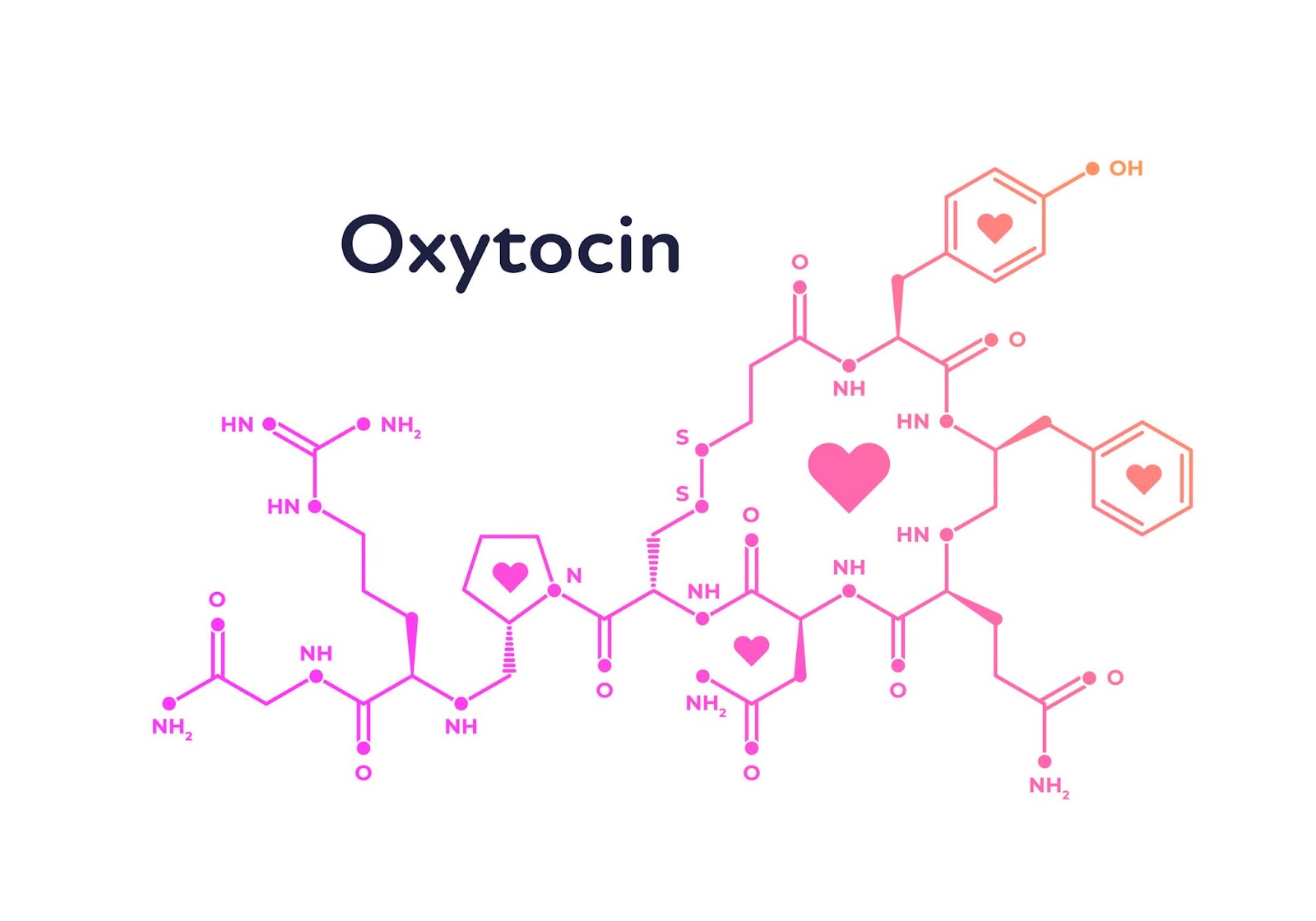
Oxytocin is a hormone produced in the hypothalamus and stored in the posterior pituitary gland. This hormone is also called the love hormone because it is released during hugging, touching, skin-to-skin contact, orgasm, and ejaculation.

Oxytocin is not only important for reproduction but also for lactation and the release of milk from the breasts. It has been shown that oxytocin can be released through skin contact as well as by kissing.

Does The Pituitary Gland Play A Role In The Nature Of Perception?

Source: Naturopathic Doctor News and Review

This hormone is also responsible for social bonding – especially between mother and child – as well as trust and empathy. It is thought that oxytocin may be one reason why mothers are so protective over their children since they release this hormone when they feel threatened or stressed out.

How Is Oxytocin Associated With Learning And Retention

Oxytocin has been shown to help with learning new information. In one study, researchers found that oxytocin improved memory retrieval in healthy men and women. The participants were given either oxytocin or a placebo before being asked to name pictures they had seen earlier in the study. The results showed that those who received oxytocin were more likely than those who did not correctly identify pictures they had seen previously.

Does The Pituitary Gland Play A Role In The Nature Of Perception?

Source: WeWork

Another study found that oxytocin boosts memory retention by increasing the activity of brain cells responsible for storing information. This suggests that oxytocin helps people learn new information better because it improves their ability to remember it later on when they need it most.

The effects of oxytocin on learning seem to be strongest when we are learning something new. In one study, volunteers who received oxytocin were better at learning a task that they had never performed before than they were at recalling information from memory. This suggests that oxytocin helps us form new memories more effectively than it helps us retrieve old ones.

How Does Perception Affect How We Interpret Our World?

Perception is the process by which we take in information from our environment and make sense of it. It is how we interpret everything from the color of a dress to the meaning behind a joke. And it is something we do all the time.

Sometimes, though, perception can lead us astray — especially when the way we see things conflicts with how others see them. This is called perceptual bias, and it happens for a variety of reasons. 

Does The Pituitary Gland Play A Role In The Nature Of Perception?

For example:

We may be biased by our own experiences. People who have suffered from depression think other people are more depressed than they really are and that their problems are worse than other people’s problems (even if they are not).

We may be biased by our emotions and experiences with certain situations. For example, if you have had an unpleasant encounter with police officers in the past, you might perceive someone else’s behavior towards police officers as aggressive or hostile even if it isn’t meant that way at all (this is called “stereotype threat”).

We may also be biased by our personality type — whether we are more extroverted or introverted, neurotic or stable — which causes us to interpret situations differently than others might do so.

How Does The Mind Control How We Experience Events?

“The mind has a powerful impact on how we experience events,” writes neuroscientist David Eagleman in his new book, Incognito. “We are not passive recorders but active editors.”

Eagleman’s book explores the idea that our brains do much more than just passively receiving information from our senses. Instead, they actively construct what we perceive as reality.

In other words, your brain is a master storyteller. It does not just passively receive information from your senses and then interpret it — it actively constructs what you perceive as reality.

Does The Pituitary Gland Play A Role In The Nature Of Perception?

Source: Mindful.org

Cognitive scientist Daniel Kahneman calls this phenomenon “the illusion of insight.” When we make decisions about what to do in life or who to trust, for example, we often assume we have good reasons for those decisions. But if you ask people why they chose one option over another, they’re often unable to give a clear answer. Their brains simply constructed an explanation after the fact based on whatever information was available at the time — which is rarely enough for us to make truly rational decisions about anything.

The implications of this idea are profound. It means that there is no such thing as objective reality; everything is subjective because everything we experience is filtered through our brain’s interpretation.

Can The Pituitary And Other Glands Influence Our Perception Of Reality?

The pituitary gland influences our perception of reality by releasing hormones that affect our brains and bodies. These hormones are released in response to a variety of factors, such as stress, exercise, pregnancy, childbirth, and aging.

It has been said that when the pituitary gland is working properly, a person will have good mental clarity and be able to think clearly. If it isn’t functioning properly, however, then this may not be the case.

For example: if the hypothalamus gland is not secreting enough growth hormone, then this could affect your perception of reality by causing fatigue and weight gain as well as reducing your energy levels significantly.

Does The Pituitary Gland Play A Role In The Nature Of Perception?

Source: News Medical

What Can We Do To Alter Our Perception Of Reality?

The question of how we perceive reality is a big one. We are all aware that our perceptions are not reality. How do we change this?

In order to alter our perception of reality, we need to first understand what exactly is going on when we perceive something.

The first step in understanding this is by understanding that “things” do not exist outside of our minds. Everything that we experience is happening inside of our minds. This means that everything that we see, hear, smell, taste, and touch actually exists only as electrical signals in our brain. The brain then interprets these signals into something that makes sense to us.

So if we can not rely on our senses to tell us what is really going on around us, what does? Well, the answer lies in how the mind interprets these signals into images and other sensory experiences.

Does The Pituitary Gland Play A Role In The Nature Of Perception?

Source: VectorStock

Perception And Reality Are Not The Same Things

Our perception of reality is based on our beliefs about it. This means that if we believe something is true or real, then it will be real for us even though it may not be true at all! For example: if you think your boss is being unfair to you, then they will become an awful person who treats you badly at work because your mind will interpret their actions as being unfair. If, on the other hand, you believe your boss is being fair, then they will be a nice person who treats you well at work because of how your mind interprets their actions.

Conclusion & Takeaway

If you are able to extract anything at all from this small article, it is that the pituitary gland is a large structure that has supposedly been overlooked by medical science and helps to explain how we see, hear, taste, smell, and control our bodily functions. In other words, when it comes to how our bodies work and perhaps how we experience the world generally, the pituitary gland may play a far bigger role than what was previously believed.

Ultimately, the research is still inconclusive. But it’s good to know that this gland is still being studied.

If you want to learn more about the functions performed by the pituitary gland or about the disorders related to the pituitary gland, visit our website, Houston Endocrine Center.

Does The Pituitary Gland Play A Role In The Nature Of Perception?2022-07-27T20:43:54+00:00
25 07, 2022

Why Is It So Hard To Treat A Pituitary Tumor?

2022-07-25T19:09:28+00:00

Why Is It So Hard To Treat A Pituitary Tumor?

Source: CDN

Do you or someone you know have a pituitary tumor? If so, you may be wondering why it’s so hard to treat them.

Treatments for pituitary tumors have improved dramatically in the past 10 years, but they are still imperfect. It is often very difficult to decide where to start. Read the blog till the end to find out why.

What Is Pituitary Gland?

Why Is It So Hard To Treat A Pituitary Tumor?

Source: VectorStock

The pituitary gland is a small endocrine gland located in the center of the forehead, just above and between the eyes. The pituitary is part of the endocrine system, which includes hormones that are produced by glands and released into the bloodstream to control various body functions.

The pituitary gland is attached to the hypothalamus by an infundibulum (plural = infundibula). The hypothalamus regulates many body functions, including sleeping and waking cycles, thirst, hunger, and body temperature. It also produces hormones that regulate sexual development during puberty and reproductive functions throughout life.

What Are The Two Parts Of Pituitary Gland?

The pituitary gland is a very important part of the endocrine system. It has two parts:

Anterior Pituitary Gland

The anterior pituitary gland makes hormones that control the number of other hormones produced by other glands. For example, if you have an overactive thyroid gland (hyperthyroidism), your body will produce too much thyroid hormone. In this case, the anterior pituitary gland must produce less thyroid-stimulating hormone (TSH) so that the thyroid gland will stop making too much T4.

The anterior pituitary gland also produces adrenocorticotropic hormone (ACTH) and luteinizing hormone (LH). ACTH stimulates the production of cortisol by the adrenal cortex, and LH stimulates ovulation in women and sperm production in men.

Why Is It So Hard To Treat A Pituitary Tumor?

Source: Nagwa

Posterior Pituitary Gland

The posterior pituitary gland is also known as the neurohypophysis. It doesn’t make hormones itself; instead, it stores and releases hormones produced by the hypothalamus. These hormones are called oxytocin and vasopressin. The hypothalamus makes these hormones in response to a stimulus, such as when you eat or drink something cold. When the hormone enters the bloodstream, it travels to its target organ.

Oxytocin stimulates uterine contraction during childbirth, lactation (milk production), bonding between mother and child, and sexual arousal in both men and women. Vasopressin helps regulate water balance in the body by increasing urine production through increased blood pressure when fluid levels drop too low, or conversely by decreasing urine production when fluid levels rise too high (as with dehydration).

Types Of Hormones Produced By Pituitary Gland

The pituitary gland produces many types of hormones. The six most important hormones produced by the pituitary gland are:

Adrenocorticotropic Hormone (ACTH)

ACTH stimulates the adrenal cortex to produce glucocorticoids like cortisol and cortisone, as well as mineralocorticoids like aldosterone (which controls blood pressure). ACTH also stimulates the production of sex hormones by the gonads (testes or ovaries) and supports their function in males and females. In males, ACTH supports sperm production; in females, it regulates menstrual cycles.

Growth Hormone (GH)

The production of growth hormone is controlled by the hypothalamus and anterior pituitary. Growth hormone is released in pulses throughout the day, with most being released during the night while you’re asleep. Growth hormone stimulates cells to produce IGF-1 (insulin-like growth factor), which is a protein that helps to support cell growth and proliferation. It also helps to regulate blood sugar levels, which makes it important for metabolism.

Prolactin

Prolactin is a hormone that helps with milk production during breastfeeding. It also plays a role in sexual arousal, sleep, and body temperature regulation. Prolactin is released by the pituitary gland, a small gland located at the base of your brain. The pituitary gland regulates many other hormones, including growth hormone and thyroid-stimulating hormone (TSH). Prolactin levels can be measured in blood tests to assess whether you have high levels of this hormone due to an underlying condition such as hyperprolactinemia or hyperprolactinemia.

Why Is It So Hard To Treat A Pituitary Tumor?

Source: MSD Manuals

Melanocyte-Stimulating Hormone (MSH)

Melanocyte-stimulating hormone (MSH) is a peptide hormone that stimulates the production of melanin pigments by melanocytes. It belongs to the family of hormones called melanotropins, which also includes alpha-melanocyte-stimulating hormone (α-MSH) and β-endorphin. MSH is produced in specialized neurons in the anterior pituitary gland (an organ located below the brain) and regulates the body’s response to UV radiation, inflammation, stress, and trauma.

Thyroid-Stimulating Hormone (TSH)

Thyroid-stimulating hormone (TSH) is a pituitary hormone that stimulates the thyroid gland to produce two hormones, thyroxine (T4) and triiodothyronine (T3). TSH release is regulated by the hypothalamus, which monitors blood levels of thyroid hormones. When thyroid hormone levels fall too low, the hypothalamus increases TSH secretion by the anterior pituitary gland. When thyroid hormone levels rise too high, the hypothalamus reduces TSH secretion by reducing its release of TRH.

Follicle-Stimulating Hormone (FSH)

Follicle-stimulating hormone (FSH) is a hormone produced by cells in the pituitary gland. It stimulates the ovaries to produce estrogen, and it also stimulates sperm production by the testes. FSH is part of a group of hormones called gonadotropins. The other gonadotropins are luteinizing hormone (LH) and prolactin. These hormones are involved in reproduction and other functions, such as making breast milk.

What Functions Does A Pituitary Gland Perform?

The pituitary gland receives messages from other parts of the brain and from hormones in the bloodstream. These messages tell it when to release its own hormones. The endocrine system uses hormones to communicate between different organs and tissues of the body.

One of its main roles is to produce growth hormone and prolactin, which are important for normal growth in children and for lactation in women. The pituitary gland produces six hormones that control other glands in the body and regulate growth, metabolism, sexual function, pregnancy, and childbirth.

Why Is It So Hard To Treat A Pituitary Tumor?

Source: Pharmacy180

The pituitary gland is divided into two sections: the anterior lobe and the posterior lobe. The anterior lobe produces hormones that affect the thyroid and adrenal glands (located near the kidneys), as well as growth hormones. The posterior lobe produces hormones that affect reproductive organs, including thyroid-stimulating hormone (TSH), follicle-stimulating hormone (FSH), and luteinizing hormone (LH).

The pituitary gland also produces growth factors that stimulate cell division and regulate blood pressure by controlling fluid retention in tissues.

What Is A Pituitary Tumor?

When you hear that someone has a brain tumor, you probably think of a brain tumor. The truth is that there are several types of tumors that can be found in the brain and pituitary gland.

Pituitary tumors are not common, but they account for about 30 percent of all cancers in the brain. They tend to grow slowly and do not spread to other parts of the body.

Why Is It So Hard To Treat A Pituitary Tumor?

Source: Health Jade

The majority of tumors affecting the pituitary gland are noncancerous (benign). However, some can be cancerous. Even so, they can be life-threatening if they press on nearby nerves or blood vessels and cause problems with vision or hormone production.

The most common signs and symptoms of a pituitary tumor include:

  • Headaches, which may be severe
  • Sudden weight gain
  • Changes in vision, such as blurry vision or double vision (diplopia)
  • Problems with sleeping or staying asleep (insomnia)
  • Poor appetite
  • Nausea and vomiting
  • Dry mouth, dry eyes, or both
  • Enlarged thyroid gland (goiter)
  • Changes in mood and behavior, including depression and irritability
  • Changes in menstrual cycles, including irregular periods and missed periods (amenorrhea).
  • Problems with concentration and memory
  • Excessive sweating or excessive thirst
  • Increased urination or frequent urination at night
    Pituitary tumors can affect every part of the body. They often grow slowly, causing no symptoms for many years.

Who Is At Risk Of Developing A Pituitary Tumor?

In general, anyone can develop a pituitary tumor. But some people are at higher risk than others.

Why Is It So Hard To Treat A Pituitary Tumor?

Source: Medico Experts

Recent studies about the risk factors of developing a pituitary tumor have brought to light the following facts:

  • Most people who develop a pituitary tumor are in their 30s or 40s. The condition is rare in children and teenagers, but it can affect people of any age.
  • A family history of tumors may increase your risk of developing one.
  • Women are twice as likely as men to develop a pituitary tumor. However, this difference may be due to the fact that women live longer and have more opportunities to develop the disease.

Why The Treatment Of A Pituitary Tumor Is Hard?

A pituitary tumor can be hard to treat because the normal function of the pituitary gland is so complex. The hypothalamus and pituitary gland work together to produce hormones that control everything from growth and reproduction to blood pressure, appetite, mood, and body temperature.

When you have a pituitary tumor, however, it may be difficult for your doctor to determine which hormone it is secreting. This makes it difficult to know what type of treatment might be right for you.

Pituitary tumors can also be difficult to treat because they can affect different parts of the body at different times. The same tumor may cause symptoms in one part of the body at one time and in another part at another time. In addition, many people with a pituitary tumor have other medical problems such as diabetes mellitus or hypertension (high blood pressure). This makes it difficult for doctors to determine whether their symptoms are caused by the tumor or by these other medical problems.

Here are some other reasons that make the treatment of a pituitary tumor even harder:

Anatomy Can Complicate Treatment

The treatment of a pituitary adenoma can be difficult because of the location, size, and delicate nature of this gland. A surgeon must be careful not to damage any surrounding nerves or blood vessels while removing the tumor. If there are large amounts of pressure on areas that control important functions, surgery may not be an option.

Why Is It So Hard To Treat A Pituitary Tumor?

Source: Operative Neurosurgery

Surgery Is Risky

The risk associated with surgery for a pituitary tumor includes bleeding and infection. Damage to surrounding tissues and nerves may also occur during surgery if proper precautions are not taken by the surgeon performing the procedure. In addition, some pituitary tumors cannot be removed completely because there isn’t enough room for surgeons to work safely within this small area of the brain without damaging other vital structures like nerves or blood vessels that supply parts of the brain with oxygenated blood (supply).

Radiation Is Risky

The most common treatment for a pituitary tumor is radiation therapy. But this treatment has its drawbacks. Radiation therapy can cause damage to the optic nerve, which may result in vision loss. It can also cause damage to the brain stem, which could lead to problems with balance and speech. If you have radiation therapy, your doctor will put a shield over your eyes to protect them from the radiation. You may also need to take steroids after radiation therapy so that your body does not react negatively to the treatment.

You Can’t Access All Of The Tumor With Medication.

In some cases, doctors might try to shrink a pituitary tumor with medication before they try more aggressive treatments. This approach is successful in about half of all patients, but it does not work for everyone because you can’t access all of the tumors with medication alone. For example, medications can shrink prolactinomas, but they can not shrink growth hormone-producing tumors (adenomas). Similarly, medication will not work at all for nonfunctioning tumors which produce no hormones at all (empty sella syndrome).

How Can We Treat A Pituitary Tumor?

Treatment of pituitary tumors depends on the type of tumor and its location. If the tumor is small and noncancerous, your doctor may recommend observation or surgery to remove it. If it’s large or malignant, your doctor will recommend radiation therapy or chemotherapy.

Why Is It So Hard To Treat A Pituitary Tumor?

Source: NSPC Brain And Spine Surgery

Pituitary Tumor Surgery

Surgery is the most common treatment for a benign pituitary adenoma that has grown large enough to affect vision or pituitary hormone levels. The procedure involves removing the entire tumor along with any surrounding tissue that may be affected by the tumor. The surgeon also removes the normal pituitary gland tissue that was damaged by the adenoma during its development. In some cases, surgeons may need to remove part of the sella turcica (the bony cavity in which the pituitary gland sits). This surgery usually takes between one and three hours.

Most people have surgery once every 1-3 years for several years until all their tumors are removed. If there are too many tumors for surgery, radiation therapy may be used instead. Radiation therapy might also be used if you need additional treatment after surgery or if you have had previous radiation therapy before having surgery.

Why Is It So Hard To Treat A Pituitary Tumor?

Source: Moffitt Cancer Center

Pituitary Tumor Radiation Therapy (Radiotherapy)

Radiation therapy is a common treatment for pituitary tumors. It is most often used for pituitary tumors that are inoperable, meaning they cannot be surgically removed. Radiation therapy is not as effective for small tumors as it is for larger ones. It works best when used along with surgery to remove the tumor.

Radiation therapy will shrink the size of the tumor so that it’s less likely to cause symptoms and make other treatments more effective. In addition to shrinking tumors, radiation therapy can also destroy any remaining cancer cells left behind after surgery. This reduces the risk of a recurrence of the tumor later on.

The amount of radiation depends on how large the tumor is and how close it is to important organs like your brain.

The side effects of radiation therapy depend on how much radiation you get and where it hits your body. You may feel tired or have trouble sleeping after treatment because of the fatigue caused by radiation damage to normal cells in your body (radiation sickness). These effects will go away over time as the damaged cells repair themselves or die off.

Why Is It So Hard To Treat A Pituitary Tumor?

Source: Miskawaan Health Group

Medical And Hormonal Treatment For Pituitary Tumors

Medications are used to shrink prolactinomas, reduce symptoms such as headaches or visual disturbances that result from increased pressure in the brain caused by the tumor growth, and reduce the risk of developing diabetes or high blood pressure. These medications include:

Bromocriptine (Parlodel) 

Bromocriptine reduces prolactin levels by blocking dopamine receptors in the pituitary gland (the part of your brain that produces hormones). This medication is usually taken twice a day for six months or longer. It has few side effects but can cause nausea, vomiting, dizziness, fatigue, weakness, and headaches. Rarely, it may lead to depression or suicidal thoughts if taken over long periods of time or in high doses.

Cabergoline (Dostinex)

Cabergoline also reduces prolactin levels by blocking dopamine receptors in the pituitary gland. This medication is usually taken once a week for six months or longer. It has few side effects but can cause nausea and vomiting.

Doctors also often use drugs to control hormone levels if your tumor makes too much of a certain hormone. For example:

Corticosteroids

It reduces ACTH production in the pituitary gland and thus reduces cortisol production by the adrenal glands. Cortisol helps maintain blood pressure and blood sugar levels. Corticosteroids also shrink the pituitary tumor by reducing its blood supply and interfering with its ability to make hormones.

GnRH Agonists

They stop the release of LH and FSH from the pituitary gland, which reduces testosterone production by the testicles and estrogen production by the ovaries. GnRH agonists also shrink the pituitary tumor by reducing its blood supply, as well as interfering with its ability to make hormones.

Why Is It So Hard To Treat A Pituitary Tumor?

Source: Harvard Health

Lifestyle Adjustments For Pituitary Tumors

If you have a pituitary tumor and experience symptoms, your doctor will want to evaluate your condition and determine the best treatment options. The following lifestyle adjustments may be helpful:

Eat a healthy diet. 

A balanced diet is important for everyone, but especially for those with pituitary tumors. Your doctor may recommend specific dietary changes depending on the type of tumor you have and its location within the pituitary gland. For example, if you have acromegaly (a type of growth hormone excess), your doctor may recommend eating fewer carbohydrates and less sugar to help regulate your blood sugar levels. If you have diabetes insipidus (another type of growth hormone excess), then drinking plenty of water may help relieve some symptoms.

Exercise regularly. 

Regular exercise helps reduce stress levels, which also helps lower your risk for developing high blood pressure or heart disease — two conditions that can worsen with age as well as increase the risk for developing certain types of tumors like pituitary adenomas (benign tumors).

Make sure you get enough sleep. 

Sleep deprivation can affect the balance of hormones in your body. This can make your symptoms worse — and even cause new ones. Try to get at least eight hours of sleep each night.

Avoid stress as much as possible. 

Stress can also affect hormone levels in your body, which could make your symptoms worse or cause new ones. If you have trouble controlling your stress levels, talk with a counselor or other health professional about how best to manage them so that they don’t become a problem for you or others around you.

Conclusion & Takeaway

Treating a pituitary tumor can be frustrating if the exact cause of the tumor is unknown. But once a diagnosis has been made, it is not impossible for you to overcome this aggressive condition. No matter where you are in your journey to healing, it’s important to know that there are resources out there to help you address questions and concerns that may arise during your treatment.

In the end, the biggest lesson to take away from this is that your body is a complex and often-mysterious system. It’s hard to predict how well a treatment will work on a specific patient or how much of an impact a single factor will have overall. The treatment of medical conditions is never simple—it is safe to say that complexity is always involved.

However, if you want to get the best treatment for a pituitary tumor, Houston Endocrine Center is the best option available for you.

We understand the weight of the world upon your shoulders when it comes to pituitary tumors and the treatment options available. If you have any further questions about what we offer for pituitary gland disorders, please contact us, and we will help you in any way we can.

Why Is It So Hard To Treat A Pituitary Tumor?2022-07-25T19:09:28+00:00
22 07, 2022

What Tropic Hormone Stimulates Cortisol From The Adrenal Gland?

2022-12-10T15:35:37+00:00

What Tropic Hormone Stimulates Cortisol From The Adrenal Gland?

Source: MDPI

You have probably heard that cortisol is a stress-response hormone in your body. This is something you want to keep at bay for optimal health, so it is important to find out what the function of this hormone actually is, which tropic hormone stimulates cortisol from the adrenal gland, and how it is released when you are under stress. 

In this blog, we will answer all these questions that you have about cortisol and its stimulation from the adrenal gland. We hope that you will find this blog useful. Let us get started. 

What Are Hormones? 

Hormones are chemical messengers that are produced in the body. They are released into the bloodstream and send messages to target cells and organs, which in turn produce their own hormones. The brain is not directly affected by hormones, but it does have receptors for some of them (such as adrenaline).

Hormones are one of the major ways that your body communicates with itself. They help regulate many of your body’s functions, such as growth, development, and reproduction.

What Tropic Hormone Stimulates Cortisol From The Adrenal Gland?

Source: Endocrine Society

Some hormones can be made in one part of your body but affect another part of your body — for example, insulin is made by the pancreas but affects all cells in the body that use sugar for energy. Other hormones affect only one specific part of the body — for example, reproductive hormones such as testosterone or estrogen cause changes in sexual characteristics only in males and females, respectively!

Some of the most common types of hormones include:

1. Insulin

This is a hormone that helps your body use sugar (glucose) from food. It also helps keep your blood sugar levels balanced, so you don’t get too high or too low after eating.

2. Thyroid-Stimulating Hormone (TSH)

This is a hormone made by your pituitary gland that tells your thyroid gland to make more thyroid hormones – or not make as much if there’s already enough around. TSH levels rise when you have hypothyroidism (underactive thyroid), but if you have hyperthyroidism (overactive thyroid), TSH levels will fall.

3. Growth Hormone-Releasing Hormone (GHRH)

Growth hormone-releasing hormone is a peptide hormone produced by neurons in the hypothalamus gland located within the brain. It stimulates the release of growth hormones from the pituitary gland.

What Tropic Hormone Stimulates Cortisol From The Adrenal Gland?

Source: MSD Manuals

4. Gonadotropin-Releasing  Hormone (GnRH)

The gonadotropin-releasing hormone stimulates the release of both follicle-stimulating hormone and luteinizing hormone from the anterior pituitary gland. GnRH is secreted at night when testosterone levels are low and inhibits the secretion of LH during daylight hours.

5. Cortisol

Cortisol is a steroid hormone that is released by the adrenal cortex in response to stress and low blood glucose levels. Cortisol helps maintain blood pressure and blood sugar levels during periods of stress and also plays an important role in protein synthesis and fat metabolism.

6. Estrogen

Estrogen is a hormone that plays an important role in the development of female reproductive tissues. The main source of estrogen in women is the ovaries, although there are also estrogen receptors on other tissues such as adipose tissue, bone, and skin. Estrogen is also found in men but at lower levels than in women. Estrogens are the primary female sex hormones, with estradiol being the primary form of estrogen made in the body.

7. Progesterone

Progesterone is the major female sex hormone and is produced by the ovaries during the second half of your menstrual cycle (luteal phase). It prepares your uterus for pregnancy. Progesterone levels rise after ovulation (when an egg is released from an ovary). If you do not get pregnant, progesterone levels fall, and menstruation begins again. Progesterone can be measured through saliva or blood tests.

What Are Tropic Hormones?

Tropic hormones are naturally occurring hormones that regulate your energy, mood, and metabolism. They are produced in the pituitary gland and play a key role in maintaining homeostasis.

What Tropic Hormone Stimulates Cortisol From The Adrenal Gland?

Source: Chegg

The hypothalamus is a part of the brain that controls body temperature and hunger. It also produces tropic hormones (thyroid-stimulating hormone, corticotropin-releasing hormone, luteinizing hormone, follicle-stimulating hormone), which regulate how you feel. The hypothalamus receives signals from the pineal gland, which controls levels of melatonin (a hormone involved in regulating sleep).

The hypothalamus is part of a system known as the endocrine system, which also includes glands such as the pituitary gland and thyroid gland. In addition to controlling your body’s metabolism, these glands secrete hormones into your bloodstream that act on distant organs, such as muscles and bones, or even on distant parts of your body like your skin or heart. This can make you look younger or feel stronger than you would otherwise.

What Is Adrenal Gland?

 The adrenal gland, also called the suprarenal glands, is a pair of small organs that sit on top of the kidneys. They are part of the endocrine system, which means they secrete hormones into the bloodstream to regulate body processes. 

The adrenal gland produces hormones that regulate stress responses to danger and help maintain blood sugar levels.

What Tropic Hormone Stimulates Cortisol From The Adrenal Gland?

Source: Medbullets

The adrenal glands are made up of three parts: the medulla (the innermost part), cortex (the middle), and zona reticularis (the outermost). The medulla produces epinephrine (adrenaline) and norepinephrine (noradrenaline), while the cortex makes dehydroepiandrosterone (DHEA), dehydroepiandrosterone sulfate (DHEA-S), DHEA-C, and cortisol. The zona reticularis produces glucocorticoids like cortisol, corticotropin-releasing hormone (CRH), and corticotropin-releasing hormone releasing factor (CRHRF).

What Functions Are Performed By Adrenal Gland?

Adrenaline is a hormone that helps us cope with stressful situations by increasing heart rate, blood pressure, and breathing rate. The adrenal glands play a vital role in our bodies, especially during times of stress or high energy expenditure. When we are under pressure and need to perform at our best, the adrenal glands release adrenaline into our bloodstream. This helps us to fight or run away from danger.

What Tropic Hormone Stimulates Cortisol From The Adrenal Gland?

Source: Verywell Health

The adrenal glands also secrete a number of other hormones that help maintain your blood sugar level and body temperature. These hormones also affect the way you feel emotionally and physically during times of stress or exertion.

The adrenal glands make two types of hormones: androgens and corticoids. Androgens are testosterone and other male sex hormones like dihydrotestosterone (DHT), while corticoids are cortisol and aldosterone. Each hormone is produced in a specific area of the gland.

What Is Cortisol? 

Cortisol is a hormone that is produced by the adrenal gland. It is involved in the regulation of blood sugar levels and energy production. It also helps regulate stress responses and blood pressure.

Cortisol is an essential hormone for life: it plays a vital role in regulating metabolism, digestion, and immune function. In addition to these processes, cortisol also helps the body adapt to stress and exerts an anti-inflammatory effect on tissues.

What Tropic Hormone Stimulates Cortisol From The Adrenal Gland?

Source: AZoNano 

Cortisol production is dependent on sunlight exposure and has been noted to decrease with increased skin pigmentation (melanin). This suggests that darker-skinned individuals may be less able to regulate their blood glucose levels when exposed to sunlight, leading them to experience higher levels of insulin resistance.

What Part Does Cortisol Play In Your Body?

The adrenal glands produce cortisol, a hormone that helps the body respond to stress and helps regulate blood sugar levels. Cortisol also plays an important role in keeping blood pressure at a healthy level.

Cortisol is released into the bloodstream when your body needs to respond to a stressful situation. For example, if you’re stressed out from schoolwork or have a test coming up, your adrenal glands will release cortisol into your bloodstream. This hormone signals other hormone systems in your body to increase the production of glucose (sugar) and oxygen so you can use those resources more effectively during times when you need them most (like during exercise).  

What Tropic Hormone Stimulates Cortisol From The Adrenal Gland?

Source: iStock

When you’re under stress, cortisol helps to increase blood pressure and heart rate and makes sure that you have enough energy to deal with your situation effectively. It also helps your body respond quickly to danger so you can get away from it as quickly as possible without getting injured or killed.

Cortisol also helps control blood pressure by helping the kidneys respond quickly to changes in salt levels in the bloodstream by increasing sodium retention or decreasing potassium retention as needed (in order for this effect to occur effectively).

Which Tropic Hormone Stimulates Cortisol From The Adrenal Gland?

The answer is ACTH or adrenocorticotropic hormone. ACTH is a tropic hormone that is released by the pituitary gland. It stimulates the adrenal cortex to release cortisol and other glucocorticoids.

ACTH is released by the pituitary gland in response to low blood sugar or stress. It also controls the release of thyroid-stimulating hormone (TSH), which stimulates thyroid hormone production.

What Tropic Hormone Stimulates Cortisol From The Adrenal Gland?

Source: Depositphotos

In addition to ACTH, there are other hormones that stimulate cortisol release. These include vasopressin, epinephrine, and norepinephrine. Vasopressin is released by the hypothalamus in response to stress. Epinephrine and norepinephrine are released by the sympathetic nervous system in response to stressful situations such as fear or anxiety.

The release of cortisol is controlled by the hypothalamic-pituitary-adrenal (HPA) axis. When there is a stressful event, the hypothalamus releases corticotropin-releasing hormone (CRH). CRH travels to the pituitary gland and stimulates its release of ACTH. ACTH stimulates the adrenal cortex to release cortisol.

How Cortisol Is Released When You Are Under Stress? 

The body has a natural response to stress. The hormone cortisol is released from the adrenal glands, located just above each kidney. Cortisol helps mobilize energy to deal with a stressful event and also suppresses functions not needed for survival during times of stress.

Cortisol is secreted in response to a perceived threat or challenge and then gradually removed after the threat or challenge has passed. In this way, your body adapts to all types of stressors on a moment-to-moment basis. However, if cortisol remains high over time, it can cause problems.

What Tropic Hormone Stimulates Cortisol From The Adrenal Gland?

Source: Verywell Health

Cortisol secretion is controlled by several factors:

  • The hypothalamus releases corticotropin-releasing factor (CRF), which stimulates the pituitary gland to release adrenocorticotropic hormone (ACTH). ACTH stimulates the adrenal glands to secrete cortisol.
  • Stressors that trigger the fight-or-flight response also stimulate CRF secretion by other brain structures such as the amygdala and locus coeruleus; this causes the additional release of ACTH from the pituitary gland.
  • Cortisol is synthesized from cholesterol in response to the hypothalamic-pituitary-adrenal axis. Cortisol is released into the bloodstream by the adrenal glands, where it travels to various organs in the body.

What Functions Does Cortisol Perform?

Cortisol performs the following functions for different parts of our body:

What Tropic Hormone Stimulates Cortisol From The Adrenal Gland?

Source: Renewed Laser

  • In the liver, cortisol promotes gluconeogenesis and glycogenolysis.
  • In adipose tissue, cortisol stimulates lipolysis, which breaks down triglycerides into free fatty acids. Cortisol also increases blood pressure by stimulating vasoconstriction and increasing vascular permeability.
  • In the kidney, cortisol promotes the retention of sodium and water.
  • In muscle tissue, cortisol decreases protein synthesis and increases protein breakdown.
  • In the brain, cortisol activates the hippocampus, which is responsible for memory and learning. Cortisol stimulates a person’s immune system by increasing the production of inflammatory cytokines such as interleukin-6 (IL-6), interleukin-1β (IL-1β), and tumor necrosis factor-alpha (TNFα).

Conclusion & Takeaway

Hormonal changes can be stressful. The endocrine system is responsible for the production, secretion, and regulation of hormones in the body. It is made up of glands that release hormones into the bloodstream, where they travel throughout your body to target organs and cells. This process helps control numerous bodily functions such as metabolism, growth, sexual development, and stress response.

If your endocrine system becomes overactive or underactive, it can affect many different aspects of your health. If you are facing any hormonal changes, it is important to consult a doctor. They will be able to determine the cause of your symptoms and help you treat them.

Endocrinologists at Houston Endocrine Center are experts in diagnosing and treating hormonal conditions such as diabetes, thyroid disorders, PCOS, pituitary gland disorders, metabolic syndrome, and more. If you are experiencing any of these endocrine disorders, contact us today at +1 832-862-3236 to schedule an appointment with one of our endocrinologists.

What Tropic Hormone Stimulates Cortisol From The Adrenal Gland?2022-12-10T15:35:37+00:00
21 07, 2022

What Is the Feedback Mechanism Of Hormones, And How Does It Work?

2022-10-14T16:00:31+00:00

What Is the Feedback Mechanism Of Hormones, And How Does It Work?

Source: Learn Biology Online

The human body is a complex structure of different organs. It is the main reason why some people are healthy, and others are not. The structural configuration of the body is made of various components which serve several purposes. The glands are located in various parts of the bodywork according to a particular pattern. These glands release hormones, which play an important part in keeping the body and its respective parts functioning properly.

But what is the feedback mechanism of hormones, and how does it work? Before I can answer that, we must first define what hormones are. Moving forward in this article, we will learn more about their feedback mechanism and its purpose.

What Are Hormones?

Hormones are chemical messengers that are produced in the body. They are released into the bloodstream and send messages to target cells and organs, which in turn produce their own hormones. The brain is not directly affected by hormones, but it does have receptors for some of them (such as adrenaline).

Hormones are one of the major ways that your body communicates with itself. They help regulate many of your body’s functions, such as growth, development, and reproduction.

What Is the Feedback Mechanism Of Hormones, And How Does It Work?

Source: Endocrine Society

Some hormones can be made in one part of your body but affect another part of your body — for example, insulin is made by the pancreas but affects all cells in the body that use sugar for energy. Other hormones affect only one specific part of the body — for example, reproductive hormones such as testosterone or estrogen cause changes in sexual characteristics only in males and females, respectively!

Some of the most common types of hormones include:

1. Insulin

This is a hormone that helps your body use sugar (glucose) from food. It also helps keep your blood sugar levels balanced, so you don’t get too high or too low after eating.

2. Thyroid-Stimulating Hormone (TSH)

This is a hormone made by your pituitary gland that tells your thyroid gland to make more thyroid hormones – or not make as much if there’s already enough around. TSH levels rise when you have hypothyroidism (underactive thyroid), but if you have hyperthyroidism (overactive thyroid), TSH levels will fall.

3. Growth Hormone-Releasing Hormone (GHRH)

Growth hormone-releasing hormone is a peptide hormone produced by neurons in the hypothalamus gland located within the brain. It stimulates the release of growth hormones from the pituitary gland.

What Is the Feedback Mechanism Of Hormones, And How Does It Work?

Source: MSD Manuals

4. Gonadotropin-Releasing  Hormone (GnRH)

The gonadotropin-releasing hormone stimulates the release of both follicle-stimulating hormone and luteinizing hormone from the anterior pituitary gland. GnRH is secreted at night when testosterone levels are low and inhibits the secretion of LH during daylight hours.

5. Cortisol

Cortisol is a steroid hormone that is released by the adrenal cortex in response to stress and low blood glucose levels. Cortisol helps maintain blood pressure and blood sugar levels during periods of stress and also plays an important role in protein synthesis and fat metabolism.

6. Estrogen

Estrogen is a hormone that plays an important role in the development of female reproductive tissues. The main source of estrogen in women is the ovaries, although there are also estrogen receptors on other tissues such as adipose tissue, bone, and skin. Estrogen is also found in men but at lower levels than in women. Estrogens are the primary female sex hormones, with estradiol being the primary form of estrogen made in the body.

7. Progesterone

Progesterone is the major female sex hormone and is produced by the ovaries during the second half of your menstrual cycle (luteal phase). It prepares your uterus for pregnancy. Progesterone levels rise after ovulation (when an egg is released from an ovary). If you do not get pregnant, progesterone levels fall, and menstruation begins again. Progesterone can be measured through saliva or blood tests.

What Is The Feedback Mechanism Of Hormones?

Hormones often work together to control a single process or set of processes, but not always. Sometimes, one hormone controls one important process, while another hormone controls another process.

The feedback mechanism of hormones is what allows them to regulate their own production and release. This also allows them to regulate other bodily processes.

What Is the Feedback Mechanism Of Hormones, And How Does It Work?

Source: Quora

The feedback mechanism of hormones is a very important part of their function. The feedback mechanism is the reason why different hormones are released at different times and in different amounts. For example, when you eat something, it sends a signal to your brain that you are hungry. The brain then releases a hormone called ghrelin, which tells the stomach to get ready for food. As soon as the food hits your stomach, another hormone called CCK is released by the duodenum (the first part of the small intestine), and it tells the brain that you are full and don’t need any more food at this time.

The feedback mechanism also works in reverse order: when you are full, CCK will tell your brain that there is enough food in your stomach and no more needs to be taken in; this signal is then sent back to the stomach through CCK receptors on parietal cells (cells lining the stomach) which stop releasing gastric acid into your stomach — giving you that “full” feeling after eating a large meal.

How Does Feedback Mechanism Of Hormones Work?

The feedback mechanism of hormones is the way that they can either suppress or increase the production of an endocrine gland. The endocrine system is a network of glands that secrete hormones into the bloodstream. Hormones are chemical messengers that travel through the blood to different organs and tissues in the body, where they trigger certain changes in function.

What Is the Feedback Mechanism Of Hormones, And How Does It Work?

Source: The Biology Notes

Hormones are produced by endocrine glands and travel through the blood to reach their target organs and tissues. Once there, they bind to hormone receptors on or inside cells, which then triggers a response within those cells. The hormones then leave those cells and go back into circulation until they reach their target organ once again.

During this process, some hormones have been shown to have a negative feedback loop, which means that they have an inhibitory effect on the secretion of other hormones by their target organ. This helps regulate how much hormone is released from that organ into circulation at any given time.

For example, if you are having trouble sleeping and take melatonin as a sleep aid, it could cause your body to produce less melatonin because it has already been taken up by receptors in your brain and released into the circulation, where it can act as an inhibitor for melatonin production.

What Are The Two Types Of Feedback Mechanisms?

The two types of feedback mechanisms are positive feedback loops and negative feedback loops:

What Is the Feedback Mechanism Of Hormones, And How Does It Work?

Source: Tutorix

Positive Feedback Loop Hormone

Positive feedback loops are mechanisms in which the output of a system is used as an input to amplify the same or similar output. A positive feedback loop can be either specific or general. A specific positive feedback loop exists when the output of a system is fed back directly into the input of that system; for example, in electronic circuits, this is known as regenerative feedback. A general positive feedback loop exists when one part of a system affects another part of the same system to produce more change; for example, if you are driving a car and your accelerator pedal is pressed down harder and harder, the engine will rev faster and faster until it reaches its maximum speed.

Negative Feedback Loop Hormone

A negative feedback loop is when an effect is diminished by its own cause. For example, when an animal gets hurt by something sharp like a thorn or a needle, it will lick or chew on it to try to remove it from its body. The licking action causes saliva to come out, which helps in reducing pain and inflammation as well as removing foreign objects from their body so that they can heal without any further problems occurring later on in life (Biological Systems).

Which Hormone Is Affected By Positive And Negative Feedback Loops?

The major hormones that are affected by positive and negative feedback loops are:

1. Cortisol

Cortisol is a stress hormone. It is released in response to stress, including the stress caused by an increased ACTH level. Cortisol helps prepare the body for “fight or flight,” increasing blood pressure and blood sugar levels.

2. Melatonin

Melatonin is a sleep hormone produced in response to darkness. It is suppressed by light and released during sleep.

3. Epinephrine

Epinephrine (adrenaline) helps with alertness, attention, and memory recall, among other things. Epinephrine is released in response to stress, as well as in anticipation of it (allowing you to get ready for action).

How Do Endocrine Glands Sense Hormone Levels As They Fluctuate In The Blood?

Endocrine glands, like the thyroid and adrenal glands, sense hormone levels as they fluctuate in the blood.

The body has a complex network of nerve cells that monitor internal conditions and communicate with other parts of the body. This nervous system includes two types of cells: neurons and neuroendocrine cells. The latter is found in endocrine glands such as the pituitary gland or hypothalamus.

What Is the Feedback Mechanism Of Hormones, And How Does It Work?

Source: Biology Dictionary 

How Do Endocrine Glands Respond To These Fluctuations In Hormone Levels?

Neuroendocrine cells contain neurotransmitters (chemicals that transmit signals from one cell to another) that are released into the bloodstream when a hormone is detected. The neurotransmitters travel to their target organs, where they bind to receptors on cell surfaces. This binding triggers changes within those cells, which may result in increased or decreased production of hormones depending on how it affects receptor function. For example, if a hormone binds to its corresponding receptor on a neuron’s surface, it will activate this neuron which will then produce its own neurotransmitters. These neurotransmitters travel through nerve endings until they reach their target organ(s), where they bind to more receptors and create more changes within those cells as well!

Conclusion & Takeaway

The feedback mechanism is a complex network of hormonal interactions. Hormones are necessary for the maintenance of healthy bodily function and growth; furthermore, they can control the body’s use of energy. Specific hormones perform their tasks only in certain parts of the body, but even the ones with widespread functions will be regulated locally in specific tissues. Due to this localization, hormones don’t affect all parts of the body equally, but they do have a global effect.

What Is the Feedback Mechanism Of Hormones, And How Does It Work?

Source: BioNinja

Any malfunctioning in the network of hormones may cause many hormonal disorders. If you are dealing with any hormonal disorder or know someone who is going through this, you might know how hard these hormonal disorders are to deal with. To serve you with the best treatments for all your hormonal issues, Houston Endocrine Center is here!

Houston Endocrine Center is an innovative and comprehensive center that offers the most advanced treatments for all the different types of hormonal disorders. We have a team of experienced and board-certified endocrinologists to help you with your hormonal issues.

The doctors at Houston Endocrine Center provide the best treatments for all your hormonal problems. We offer both preventive and therapeutic services to help you manage your condition. You can also reach out to us for advice on how to live with your condition or how to prevent it from happening again. To avail our services, visit our website and book an appointment with us!

What Is the Feedback Mechanism Of Hormones, And How Does It Work?2022-10-14T16:00:31+00:00
Go to Top