Blogs

27 06, 2022

Does Polycystic Ovary Syndrome (PCOS) Affect Conception?

2022-06-27T19:37:44+00:00

PCOS affects a lot of women, and fertility is one of the most common issues that it causes. When you have PCOS and you are trying to get pregnant, it is extremely important for you to understand the fertility of your uterus. Unfortunately, not all women with PCOS can conceive through regular sexual intercourse. In this article we will tell you, Does Polycystic Ovary Syndrome (PCOS) Affect Conception?

Part of how your fertility is affected by PCOS depends on how severe you are with the condition. Understanding some medical facts about PCOS may help you achieve your desired pregnancy and maybe fulfill long-time fantasies about having a baby girl around.

Does Polycystic Ovary Syndrome (PCOS) Affect Conception?

Source: VectorStock

What Is Polycystic Ovary Syndrome (PCOS)?

Polycystic ovary syndrome (PCOS) is a condition in which the ovaries produce an excess of male hormones and fail to produce normal amounts of female hormones.

The ovaries are responsible for making eggs and releasing them from the body. During a woman’s menstrual cycle, these hormones cause the uterus to contract and release an egg. If a woman doesn’t have enough estrogen or progesterone, she may not menstruate at all.

PCOS is a hormonal disorder that can affect women of all ages. In fact, most women with PCOS are in their 20s and 30s. It is the most common endocrine disorder among women of childbearing age, and it affects 5 to 10 percent of all women.

Does Polycystic Ovary Syndrome (PCOS) Affect Conception?

Polycystic ovary syndrome (PCOS) is a common hormonal disorder that can affect fertility.

In PCOS, the ovaries have many small cysts, which are fluid-filled sacs that contain an egg. These sacs are made up of various hormones, including testosterone and estrogen.

The cysts cause irregular periods and may make it harder for a woman to conceive. The symptoms can be mild or severe, depending on how many cysts there are in your ovaries and whether they’re causing other health problems.

Does Polycystic Ovary Syndrome (PCOS) Affect Conception?

Source: VectorStock

PCOS is associated with an increased risk for miscarriage and lower birth weight babies. The exact cause of PCOS is unknown, but it seems to run in families and may be caused by a hormone imbalance.

Suppose you have PCOS and you are trying to get pregnant. In that case, it’s important to talk to your doctor about treatment options because some medications can make getting pregnant more difficult or impossible.

What Are The Symptoms Of PCOS?

Does Polycystic Ovary Syndrome (PCOS) Affect Conception?

Source: VectorStock

Most women with PCOS have symptoms before age 25. The symptoms may include:

  • A large number of small cysts on the ovaries (polycystic ovary syndrome)
  • Infertility
  • Hirsutism, or excessive hairiness in your face, chest, back, upper arms, or legs (hirsute syndrome)
  • Acne
  • Oily skin
  • Worrisome weight gain (excess weight in comparison to body size).
  • Thinning scalp hair (alopecia)
  • Difficulty losing weight after menopause.
  • Irregular periods (not having a period every month).

How Do I Know If I Have PCOS?

The first step in diagnosing PCOS is to determine whether or not it’s an actual disease. This means trying to identify the symptoms that tend to occur with PCOS. For many women, the most common symptom is acne. Other symptoms include excessive hair growth and irregular periods.

You may have noticed that you have a lot of hair on your face. Some women even notice that their eyebrows are thicker than normal and that their eyelashes are darker than usual.

You may also notice that you have acne or oily skin or that you do not get your period or experience irregular cycles. You may wonder if this is the reason why you do not feel as confident as you did before.

A woman may have PCOS without experiencing any noticeable symptoms. In such cases, her doctor may use blood tests and ultrasound imaging to determine the cause of the under-the-skin swelling ( called hirsutism) and infertility.

If you have PCOS, it is important to talk to a doctor about it because there are different types of PCOS that require different treatments and medications.

Do I Need To See A Fertility Specialist If I Have PCOS?

Yes, you do need to see a fertility specialist if you have PCOS. A fertility specialist is a doctor who specializes in helping women get pregnant. They are trained to diagnose and treat infertility problems.

There are several types of infertility that can occur due to PCOS, and it is not just about ovulation issues. There can also be issues with the uterus, fallopian tubes, and cervix.

Does Polycystic Ovary Syndrome (PCOS) Affect Conception?

Source: VectorStock

A fertility specialist can help you understand what’s going on with your body and how to improve the chances of getting pregnant. They also can recommend medications that may help improve egg quality or increase your chances of ovulation, which is when an egg is released from one of your ovaries.

A fertility specialist can help you determine what type of fertility treatments will work best for you and your partner. They also can help with discussing any emotional issues surrounding infertility, such as grief or grief over the loss of previous pregnancies that have ended in miscarriage.

Your doctor should be able to refer you to a fertility specialist if needed. You will want to find one that specializes in helping women with PCOS who are trying to conceive or who have already conceived.

The reason why you need a fertility specialist is that they know how to treat these problems, and they are able to give you advice on how to improve your chances of having a baby naturally.

Is It Safe To Use Fertility Drugs With PCOS?

The short answer is yes. But it’s important to understand why.

To begin with, the treatment of PCOS requires more than just fertility drugs. The hormone imbalance and other symptoms of PCOS are often treated with medications like metformin, which help balance and regulate your body’s hormones. If you take these medications, the presence of ovulation may not prevent pregnancy from occurring, but it does make conception more likely.

However, fertility drugs can also be used to trigger ovulation in women who don’t have an established pattern of ovulation or who have been diagnosed with PCOS but who haven’t yet had a baby. This is because fertility drugs stimulate the release of eggs from the ovary (ovulation) — if you take them shortly before ovulation occurs, you can increase your chances of getting pregnant.

Does Polycystic Ovary Syndrome (PCOS) Affect Conception?

Source: VectorStock

One of the most common side effects of fertility drugs is a temporary increase in your risk of developing Ovarian Cysts. Ovarian Cysts are fluid-filled sacs that develop in the ovaries and have a few symptoms, including a change in your menstrual cycle and pain in your lower abdomen.

If you have PCOS, you may be at higher risk of developing ovarian cysts than someone who doesn’t have it. This is because clomiphene (Clomid) and Follistim (Gonal-F) can cause an increase in insulin resistance, which can lead to cysts forming in the ovaries.

The key word here is “shortly”: if you take fertility drugs for too long, they can actually cause harm to a developing fetus by causing premature birth or miscarriage. So it’s very important that you follow all the directions on your birth control pill — including taking it at exactly the same time every day — so that it doesn’t cause any side effects or harm to your body.

The decision to use fertility drugs should be made by the couple in conjunction with a doctor who specializes in fertility and assisted reproductive techniques.

How Is PCOS Treated?

PCOS is a complex condition that can be treated in several ways. The main treatment options include:

1. Lifestyle Changes

  • The first step in treating PCOS involves making healthy lifestyle changes. These include:
  • Eating a balanced diet with lots of carbohydrates and eating small meals throughout the day.
  • Exercising regularly at least 30 minutes 3 times per week.
  • Limiting caffeine intake, which can worsen insulin resistance and weight gain.
  • Cutting back on alcohol (even if you don’t drink) may increase your risk for blood clots and heart problems.

2. Hormonal Therapy

The goal of hormonal therapy is to improve your ovulation, or the ability of your ovaries to release an egg each month. Hormone therapy may also help stop irregular bleeding and reduce acne.

3. Oral Contraceptives (Birth Control Pills)

Oral contraceptives are used to treat PCOS because they prevent ovulation by blocking hormones produced by the ovaries. In addition, progestin-only pills prevent pregnancy by preventing ovulation and thickening cervical mucus so sperm can’t reach an egg. This prevents fertilization from occurring. Oral contraceptives are a highly effective method of birth control for women with PCOS who want to avoid pregnancy but not eliminate their desire to have children. They’re also recommended to help alleviate symptoms like excess facial and body hair, acne, and painful periods.

Does Polycystic Ovary Syndrome (PCOS) Affect Conception?

Fertility, Maternity or Motherhood Concept. Happy Female Character with Positive Pregnancy Test. Cheerful Woman Holding Stick with Two Stripes. Family Planning, Cartoon People Vector Illustration

Source: VectorStock

4. Injections

Injections are a last-resort option for women who have had no success with other treatments. They can be used if you don’t respond well to other treatments or if you have certain side effects from them (like blood clots).

5. Metformin (Glucophage) And Other Oral Antidiabetic Drugs

Metformin is a prescription drug that has been used to treat type 2 diabetes since 1998 and is currently ranked as one of the best medications for this purpose. Metformin helps lower blood sugar levels by increasing insulin production in the pancreas while also reducing liver glucose output through its ability to decrease insulin resistance.

6. In Vitro Fertilization (IVF)

If you do not get pregnant after trying to conceive for a year or longer, then it may be time to consider other options like IVF (in vitro fertilization). IVF involves removing eggs from your ovaries and fertilizing them with sperm outside the body so they can develop into embryos outside your body. This process takes about two weeks and costs thousands of dollars each cycle.

Conclusion & Takeaway

Polycystic ovary syndrome (PCOS) is a hormonal disorder that is caused by abnormal hormone levels. The link between PCOS and pregnancy has long been recognized, and early studies found that women with PCOS had an increased risk for infertility. However, more recent studies have confirmed that PCOS does not affect pregnancy rates in women who are trying to get pregnant for the first time. While many women do experience fertility issues with PCOS, not everyone who has it will experience this.

There are a number of treatment options once PCOS is diagnosed. With the help of a qualified specialist, most women are able to conceive eventually and have normal, healthy pregnancies. Since not all treatments work for everyone (or even for most people), it’s important to follow your doctor’s advice when trying to conceive. Sometimes conception can take some time, but there are many positive and optimistic ways to conceive with PCOS.

If you want to consult a fertility specialist, you can contact us. We provide medical services related to polycystic ovary syndrome. We make sure to provide the best services to our patients to see them smiling through all their health problems. And of course, good luck!

Does Polycystic Ovary Syndrome (PCOS) Affect Conception?2022-06-27T19:37:44+00:00
25 06, 2022

What Are Some Risk Factors For Osteoporosis?

2022-06-25T17:15:33+00:00

What Are Some Risk Factors For Osteoporosis?

Source: VectorStock

Osteoporosis is a disease that makes bones weaker and more fragile. It weakens the structure of your skeleton and can lead to back pain, stiffness, or fractures. While it can be caused by many different factors, including age, gender, family history, and lifestyle, there are also some risks that you have no control over, such as being of Caucasian descent or having parents who were both affected by the disease.

In this article, we explore some risk factors for osteoporosis and how you can prevent it!

What Is Osteoporosis?

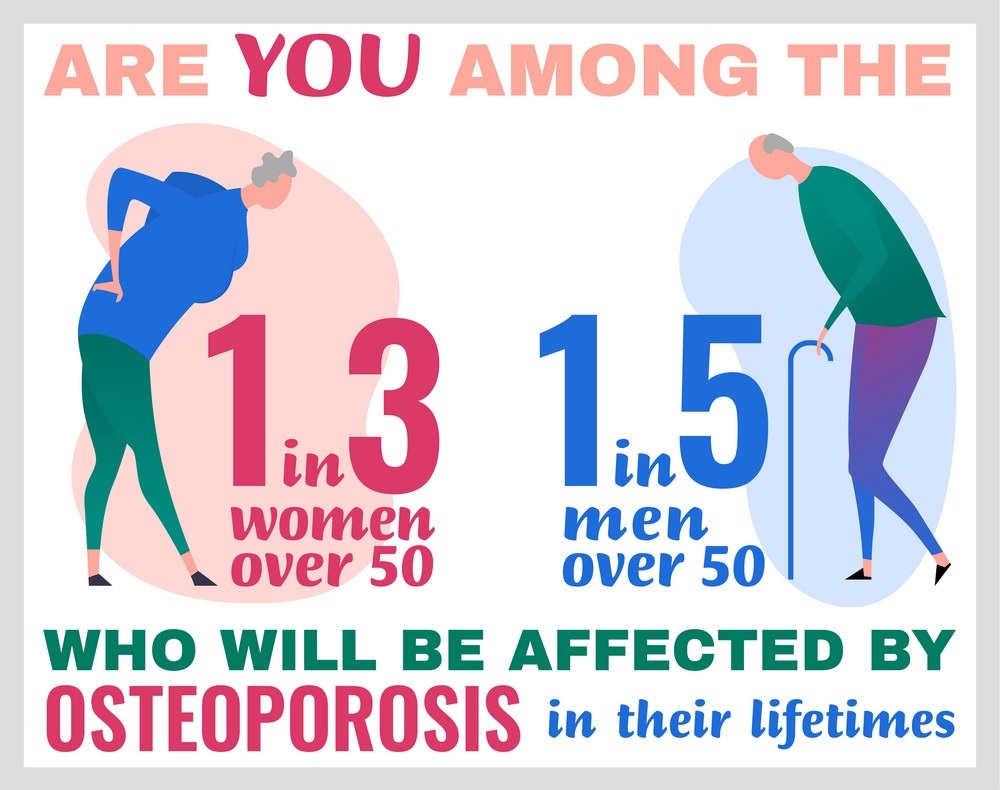
Osteoporosis is a condition that affects the bones, causing them to become thin and brittle. This can lead to a number of problems, including fractures, pain, and loss of height. While osteoporosis can affect people of any age, it is most common in older women over the age of 50, but it can also affect men and people of all ages. There are many things that can contribute to osteoporosis, including family history, a sedentary lifestyle, certain medications, and smoking. 

What Are Some Risk Factors For Osteoporosis?

Source: Onto Orthopedics

There are a number of factors that can contribute to the development of osteoporosis, including a lack of calcium in the diet, family history, a sedentary lifestyle, smoking, and certain medications. There are several ways to prevent or treat osteoporosis, including exercise, dietary changes, and medication.

There are many things you can do to prevent or slow the progression of osteoporosis. Getting enough calcium and vitamin D, exercising regularly, and not smoking are all important. You can also talk to your doctor about medications that can help keep your bones strong.

Why Is Osteoporosis A Problem?

Osteoporosis is a problem because it leads to bone loss and fractures. Bone loss can occur for a variety of reasons, including lack of exercise, poor nutrition, and hormonal changes. Fractures are a common complication of osteoporosis, and they can be very painful. Fractures can also lead to other problems, such as immobility and disability.

What Are Some Risk Factors For Osteoporosis?

Source: VectorStock

Osteoporosis is especially a problem for older adults, who are more likely to suffer from falls and other accidents. Additionally, osteoporosis can make it difficult to do everyday activities like carrying groceries or going up and down stairs. 

Osteoporosis can be expensive to treat, especially if you need medication or surgery. There are treatments available that can help strengthen bones and reduce the risk of fractures, but it is important to get diagnosed early so that treatment can be started as soon as possible.

The Different Types Of Osteoporosis

What Are Some Risk Factors For Osteoporosis?

Source: VectorStock

There are four different types of osteoporosis, and each type has its own set of causes and symptoms. The five types of osteoporosis are:

1. Idiopathic Osteoporosis

This type of osteoporosis is the most common form of the disease and occurs as a result of genetics. It is also called inherited osteoporosis. This condition can affect both men and women, but it is more common in women. In this type of osteoporosis, the bones become fragile and break easily because they have lost their mineral content (bone mineral density) and density due to age-related bone loss.

2. Postmenopausal Osteoporosis

Postmenopausal osteoporosis is the most common type of disease, affecting more than 8 million American women. This type of osteoporosis is caused by the loss of estrogen after menopause. Estrogen helps to keep bones strong, so when levels start to decline after menopause, bones can become weak and fragile. Symptoms of postmenopausal osteoporosis include bone pain, fractures, and a decrease in height.

3. Secondary Osteoporosis

This type of osteoporosis is caused by another medical condition or by taking certain medications. Conditions that can lead to secondary osteoporosis include celiac disease, rheumatoid arthritis, and thyroid problems. Medications that can cause secondary osteoporosis include corticosteroids and cancer treatments.

4. Senile Osteoporosis

Senile osteoporosis is the second most common type of disease, affecting more than 3 million Americans over the age of 50. This type of osteoporosis is caused by the natural aging process. As we age, our bones can become thinner and weaker due to the loss of bone mass. Symptoms of senile osteoporosis can include fractures, a loss of height, and back pain.

5. Juvenile Osteoporosis

This type of osteoporosis tends to develop during adolescence or early adulthood. It is caused by exposure to certain drugs in childhood, such as corticosteroids, sex hormones, and vitamin D supplements during puberty or early adulthood, which cause bone loss, also known as rickets in children. Although rare, this type of osteoporosis can also occur as a result of hereditary factors.

Risk Factors for Osteoporosis

What Are Some Risk Factors For Osteoporosis?

Source: VectorStock

  • Diet, Exercise, And Other Factors

A lack of physical activity can also contribute to the development of osteoporosis, as it leads to muscle weakness and a decrease in bone density. Poor nutrition is another factor that can impact bone health, as a diet lacking in essential nutrients like calcium and vitamin D can lead to weak bones.

  • Family History

Having a parent with osteoporosis increases a person’s risk of developing it as well as having osteopenia (a lower than normal bone density). Having a family history of osteoporosis also increases one’s risk of developing it later in life if no other factors are involved.

  • Gender 

Females are at greater risk than males for developing osteoporosis because they have a higher rate of bone loss than men during menopause.

  • Pregnancy And Lactation

Pregnancy and lactation may increase your risk for postmenopausal osteoporosis if you don’t take enough calcium or if you lose too much calcium from your bones during pregnancy or lactation.

  • Lifestyle Choices

Certain lifestyle choices can also increase your risk of developing osteoporosis. These include smoking, drinking too much alcohol, not getting enough exercise, and eating a diet that’s low in calcium and vitamin D. If you have any of these risk factors, it’s important to make changes to your lifestyle to lower your risk.

  • Obesity

Excess fat around the hips and thighs can put pressure on the bones, making them more likely to break.

  • Age And Hormones

If you’re over the age of 50, your risk of developing osteoporosis increases. Women are also at higher risk than men due to hormone changes during menopause. 

  • Race And Ethnicity 

Caucasians have an increased risk of osteoporosis compared with African-Americans and Hispanics/Latinos. However, the rate of osteoporosis among Asian Americans is lower than that of white Americans, although there are no studies specifically focused on this group’s risk for developing this condition.

  • Alcohol

Drinking alcohol can increase your risk of osteoporosis because it increases calcium loss. This is because alcohol makes your body absorb more calcium than normal. Alcohol also acts as an anticoagulant (blood thinner), which may increase your risk of fractures. Alcohol is also a diuretic, meaning that it causes you to urinate more frequently, leading to excessive loss of calcium from your body.

  • Cigarette Smoking

Smoking cigarettes increases your risk of bone loss by reducing bone density and increasing fracture risk. Smoking also causes constriction of blood vessels and inflammation in soft tissue, both of which can damage your bones.

  • Inactivity

Being inactive for long periods of time puts extra stress on the bones, making them more likely to break or become brittle due to lack of exercise or stress from everyday living activities.

  • Excess Estrogen

Excess estrogen from excess fat cells can lead to low amounts of testosterone and other hormones that help maintain bone density.

  • Caffeine

Caffeine can increase your risk of bone loss by depleting calcium from your bones. If you consume more than 300 mg of caffeine per day, your risk of osteoporosis increases by up to 50%. Caffeine may also make it harder for your body to absorb minerals like zinc and magnesium.

  • Alcohol

Consuming alcohol can cause osteomalacia (softening of the bones), which may cause fractures later on in life. Alcohol also impairs the absorption of certain nutrients like calcium and magnesium. These nutrients are essential for building strong bones.

  • Marrow Depletion

Women who have had their ovaries removed may be at risk for osteoporosis due to low levels of estrogen, which is needed for healthy bones.

  • Certain Medical Conditions

There are also certain medical conditions that can increase your risk of developing osteoporosis. These include thyroid problems, rheumatoid arthritis, celiac disease, and type 1 diabetes. If you have any of these conditions, be sure to speak with your doctor.

Preventing Osteoporosis Without Medication

What Are Some Risk Factors For Osteoporosis?

Source: Healthy Directions

The good news is that there are many ways to prevent osteoporosis without taking drugs:

  • Eat a healthy diet
  • Eat calcium-rich foods like milk products, tofu, and dark leafy greens.
  • Exercise regularly and maintain a healthy weight.
  • Get enough sleep
  • Take breaks from sitting down (Standing up every hour or so can help reduce these problems).
  • Don’t smoke cigarettes or use other tobacco products (including chewing tobacco).
  • Avoid excessive alcohol consumption (more than two drinks per day).

What Are Some Risk Factors For Osteoporosis?

Source: VectorStock

Conclusion

Osteoporosis is a disorder caused by old age which causes the bones to become brittle and weak. It’s characterized by deformed or brittle joints and an increased likelihood of bone fractures which can lead to serious disability in some cases. Of course, while it’s not possible to stop the aging process, there are certain things you can do to protect yourself from developing osteoporosis.

What Are Some Risk Factors For Osteoporosis?2022-06-25T17:15:33+00:00
20 06, 2022

Check Out These 5 Little-Known Thyroid Nodules Warning Signs

2022-09-28T14:33:31+00:00

This can just be your life from here on out, but it is helpful to know the symptoms. In this article, we’ll go over 5 Little-Known Thyroid Nodules Warning Signs that could indicate a more serious problem.

5 Little-Known Thyroid Nodules Warning Signs

Source: VectorStock

If your doctor has found that you have a nodule or several nodules on your thyroid, you may be feeling unsure about what will come next. However, as long as the doctor identifies one or more of your nodules as benign and does not find any signs of cancerous growths, you should be able to move forward with your life without too much worry. You will likely be asked to have another thyroid scan in six months to monitor for any changes that might indicate a need for treatment. 

What Is Thyroid?

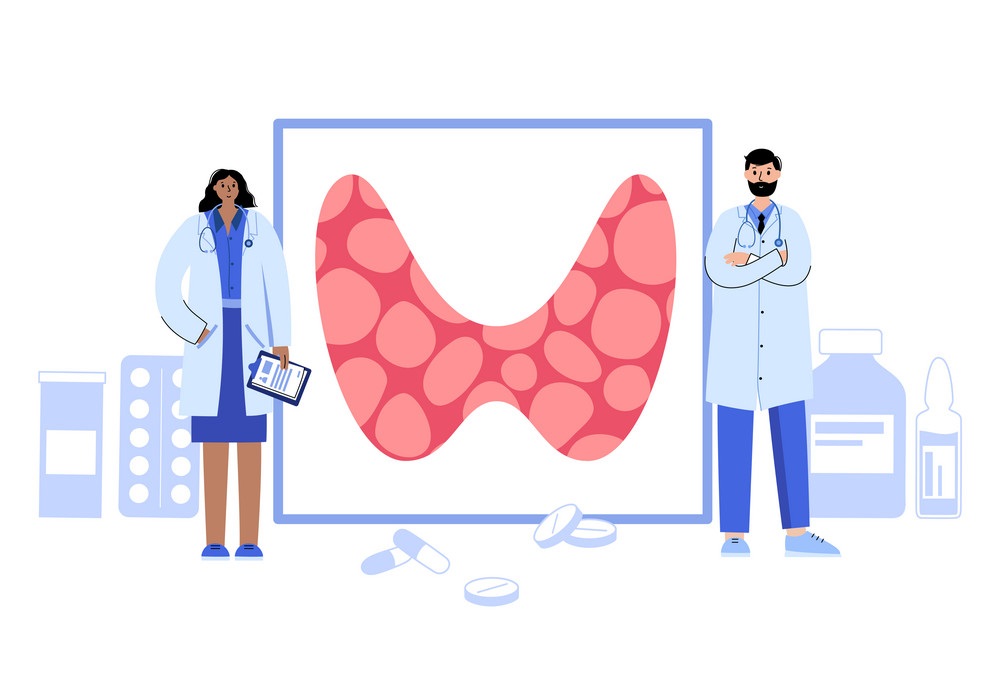
The thyroid is a butterfly-shaped gland located in the front of your neck. It produces hormones that help regulate your body’s metabolism.

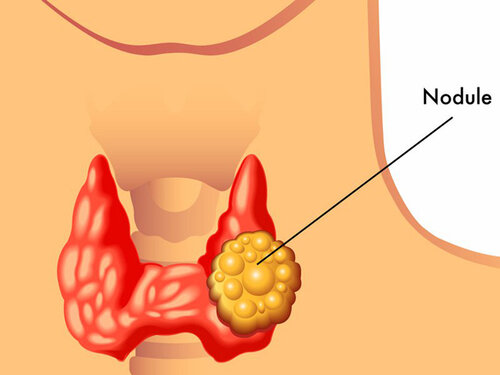
Thyroid nodules are growths that can develop on the thyroid gland. They are usually benign (non-cancerous), but in rare cases, they may be cancerous.

There are several warning signs of thyroid nodules that you should be aware of. One sign is a lump or swelling in the neck. This may be visible to the naked eye, or it may be felt as a lump when palpating (touching) the neck. Other warning signs include hoarseness, difficulty swallowing, and shortness of breath. If you experience any of these symptoms, it is important to see a doctor for further evaluation.

5 Little-Known Thyroid Nodules Warning Signs

Source: VectorStock

Thyroid nodules are relatively common, and most of them are benign. However, it’s important to be aware of the warning signs so that you can seek medical attention if necessary.

What Are Thyroid Nodules?

The thyroid is a small, butterfly-shaped gland located in the front of the neck. It produces hormones that regulate the body’s metabolism. Thyroid nodules are lumps that can form in the thyroid gland.

Most thyroid nodules are benign, which means they are not cancerous. However, some thyroid nodules can be cancerous. It is important to be aware of the potential warning signs of thyroid cancer so that you can seek treatment if necessary.

5 Little-Known Thyroid Nodules Warning Signs

Source: Dr. Terence Chua

Some of the warning signs of thyroid cancer include a lump in the neck, hoarseness, difficulty swallowing, and shortness of breath. If you experience any of these symptoms, it is important to see a doctor so that they can rule out thyroid cancer.

Overall, thyroid nodules are relatively common, and most of them are benign. However, it’s important to be aware of the potential warning signs of thyroid cancer so that you can seek treatment if necessary.

What Causes Thyroid Nodules?

There are a few different things that can cause thyroid nodules. One of the most common causes is an autoimmune disorder called Hashimoto’s disease. This disease causes the body to attack the thyroid gland, which can lead to the development of nodules.

Other possible causes of thyroid nodules include:

  • A history of radiation therapy to the neck or head
  • Certain genetic syndromes
  • Exposure to certain chemicals or toxins
  • Infection of the thyroid gland
  • Inflammation of the thyroid gland (thyroiditis)

If you have any of these risk factors, it’s important to be aware of the symptoms of thyroid nodules so you can get treatment if necessary.

What Are The Risk Factors Of Thyroid Nodules?

There are a few key risk factors associated with thyroid nodules. One of the most important is family history. If you have a family member who has had thyroid cancer or another type of thyroid disease, you may be at an increased risk for developing thyroid nodules.

Other risk factors include exposure to radiation, being female, and being over the age of 60. If you have any of these risk factors, it’s important to be aware of the potential warning signs of thyroid nodules.

5 Little-Known Thyroid Nodules Warning Signs

Source: Healthline

The most common warning sign of thyroid nodules is a lump or swelling in the neck. This can often be felt by touching the neck or by looking in the mirror. Other symptoms can include hoarseness, difficulty swallowing, and shortness of breath. If you experience any of these symptoms, it’s important to see a doctor as soon as possible.

Thyroid nodules are usually benign (non-cancerous). However, in some cases, they can be cancerous. So it’s important to get any suspicious lump checked out by a doctor as soon as possible.

5 Little-Known Thyroid Nodules Warning Signs

As the thyroid gland is responsible for so many functions, it’s no surprise that there are many potential symptoms of thyroid problems. But did you know that some of those symptoms may be so subtle that they’re not even noticed?

Here are five little-known thyroid nodules warning signs:

  1. Unexplained Weight Loss Or Gain
  2. A Visible Change In The Appearance Of Your Neck
  3. Puffy Face And Hoarseness
  4. Trouble Breathing
  5. Chronic Coughing

1. Unexplained Weight Loss Or Gain

If you have unexplained weight loss or gain, it could be a sign of thyroid nodules. This is especially true if the weight loss or gain is accompanied by other symptoms on this list.

Unexplained weight changes are one of the most common thyroid nodule warning signs. If you notice that you’re losing or gaining weight without making any changes to your diet or exercise routine, it’s worth talking to your doctor.

5 Little-Known Thyroid Nodules Warning Signs

Source: VectorStock

Other common symptoms of thyroid nodules include fatigue, difficulty sleeping, and mood changes. If you have any of these symptoms, it’s important to talk to your doctor so they can rule out other potential causes.

Thyroid nodules are usually benign (non-cancerous). However, in some rare cases, they can be cancerous. If you have any concerns about your thyroid nodules, be sure to talk to your doctor so they can check them out.

2. A Visible Change In The Appearance Of Your Neck

If you have noticed a visible change in the appearance of your neck, it could be a sign of thyroid nodules. Thyroid nodules are growths that develop on the thyroid gland. They are usually benign (non-cancerous), but in some rare cases, they can be cancerous.

5 Little-Known Thyroid Nodules Warning Signs

Source: VectorStock

The most common symptom of thyroid nodules is a lump or mass in the neck. Other symptoms include:

  • Difficulty swallowing
  • Hoarseness
  • Pain in the neck or throat
  • Swelling in the neck

If you have any of these symptoms, it is important to see a doctor for a proper diagnosis. Thyroid nodules are usually harmless, but it is important to rule out any potential problems.

3. Puffy Face And Hoarseness

Puffy face and hoarseness are two lesser-known thyroid nodules warning signs.

If you notice that your face is puffy, especially in the morning, it could be a sign that your thyroid is not functioning properly. This is because the thyroid gland helps to regulate the body’s fluid levels.

5 Little-Known Thyroid Nodules Warning Signs

Source: VectorStock

Hoarseness is another common symptom of thyroid problems. This is because the thyroid gland affects the muscles in the vocal cords. If the thyroid gland is not functioning properly, the muscles in the vocal cords can become weak and lead to hoarseness.

If you notice any of these symptoms, it is important to see a doctor so that they can check for thyroid problems.

4. Trouble Breathing

One of the warning signs of thyroid nodules is trouble breathing. This can be caused by the nodules pressing on your windpipe or esophagus. This can make it difficult to breathe, and you may also experience a wheezing sound when you breathe.

5 Little-Known Thyroid Nodules Warning Signs

Source: VectorStock

If you have thyroid nodules and are having difficulty breathing, it’s important to see a doctor right away. They will be able to determine if the nodules are causing the problem and will recommend treatment options.

In some cases, surgery may be necessary to remove the thyroid nodules. However, this is usually only recommended if the nodules are large or causing significant symptoms.

5. Chronic Coughing

Chronic coughing is a serious warning sign of thyroid disease. The most common cause of chronic cough is an overactive thyroid gland, which may be due to an enlarged thyroid gland or Hashimoto’s disease. This condition can be life-threatening if not treated promptly.

5 Little-Known Thyroid Nodules Warning Signs

Sick unhealthy coughing woman. Bronchitis, cold, coronavirus, grippe or seasonal disease, infection. Respiratory viral sickness, illness. Flat vector cartoon illustration on white background.

Source: VectorStock

A person with an enlarged thyroid gland produces more hormones than normal, which can lead to hyperthyroidism or an overactive thyroid. However, some people with enlarged thyroids do not have symptoms. This is called subclinical hyperthyroidism.

In either case, an enlarged thyroid causes chronic cough and wheezing in most cases.

Conclusion & Takeaway

If you’re still having thyroid nodules, and don’t know what to do, start by taking a look at the symptoms in this article. Some of them might apply to you, and they could be signs that something is wrong. And if you notice these symptoms, get yourself checked out as soon as possible. It’s better to be safe than sorry.

When a nodule is discovered in your body, it’s time to heed the warning signs and get treatment. If you discover a nodule in your body, contact your doctor immediately and make sure you are checked for thyroid cancer. Get to know the warning signs so that you can prevent health problems from developing.

Our team of experienced medical professionals has answers to all your queries. Visit our website and request an appointment with us today! You can also contact us to get yourself checked for any other thyroid and parathyroid disorders.

Check Out These 5 Little-Known Thyroid Nodules Warning Signs2022-09-28T14:33:31+00:00
20 06, 2022

Hypopituitarism: Pituitary Gland Disorder Causes & Treatments

2022-06-20T16:04:00+00:00

This blog includes all the necessary details about Hypopituitarism Pituitary Gland Disorder Causes & Treatments. Read the blog till the end. 

Hypopituitarism is a rare disorder that occurs when there is a deficiency of the pituitary gland. This can lead to the malfunctioning of other glands, most notably the adrenal glands. However, hypopituitarism often results in problems with the adrenal glands’ function, such as lack of cortisol production and hyperplasia (ability to produce different tissues). 

Hypopituitarism: Pituitary Gland Disorder Causes & Treatments

Source: VectorStock

Pituitary Gland Disorders

A pituitary gland disorder is a medical condition affecting the pituitary gland, which is located at the base of your brain. The pituitary gland secretes hormones that regulate your body’s growth, metabolism, and other functions. These hormones are released from the gland in response to certain signals from the hypothalamus or thalamus. For example, when you eat food or drink water, your hypothalamus sends a signal to the pituitary gland to produce growth hormone. The pituitary then releases this hormone into your bloodstream.

Growth hormone is responsible for helping build new muscle tissue and bones, as well as contributing to heart health by regulating blood pressure and blood sugar levels. It also plays an important role in the development of sexual organs during puberty by increasing testosterone production.

Hypopituitarism: Pituitary Gland Disorder Causes & Treatments

Source: VectorStock

Pituitary Adenomas

Pituitary adenomas are the most common type of pituitary tumor. They may occur in people of any age but most often begin to develop between the ages of 20 and 40 years old.

Pituitary adenomas are identified as a tumor that is not normal and has characteristics of a tumor. This type of cancer accounts for about 50 percent of all pituitary tumors, but only 5 percent of all cancers are diagnosed in the United States each year.

In most cases, a pituitary adenoma appears as one or more growths on the pituitary gland (the organ that produces hormones) outside the brain. Growths can be large or small, smooth or unevenly shaped, and may have an irregular shape. The size of these tumors often fluctuates over time; they grow slowly at first and then increase rapidly in size as they continue to grow throughout life.

Pituitary adenomas are not cancer and do not cause any symptoms. They usually cause no problems until they grow large enough to interfere with normal pituitary function or compress normal pituitary tissue.

Hypopituitarism

Hypopituitarism is a pituitary gland disorder that is defined by low levels of hormones. Hypopituitarism is when problems with one or more of these glands cause inadequate production or release of these hormones. This may occur if there is damage to any part of your brain (cerebral hypoperfusion) or if you have a tumor on one or both sides of your brain (paradoxical) that prevents normal function.

Hypopituitarism: Pituitary Gland Disorder Causes & Treatments

Source: VectorStock

These hormones are supplements to all the other endocrine glands and affect mood, growth, sex drive, and much more. If you have low levels of thyroid hormone, then it’s called hypothyroidism; if you have low levels of adrenal hormones, then it’s called Addison’s disease; If you have low FSH levels, then it’s called ovarian failure; if you have low LH levels, then it’s called hypoactive prolactin. Each of these conditions can cause infertility and other symptoms such as fatigue.

What Are the Symptoms Of Hypopituitarism?

The symptoms of hypopituitarism are similar to those of other diseases. The most common symptoms are:

  • Depression
  • Anxiety and panic attacks
  • The sensation of pins and needles in the hands or feet (paraesthesia)
  • Back pain that is worse when you bend over or twist your body (spinal column pain)
  • Weakness
  • Low or no sex drive
  • Fatigue, especially early in the morning
  • Weight loss, although this may not be noticeable to the patient
  • Tiredness
  • Lightheadedness
  • Muscle twitching
  • Fever and chills
  • Headaches
  • Nausea or vomiting
  • Muscle aches and pains
  • Irritability
  • Excessive sweating, especially of the palms and soles of the feet

What Causes Hypopituitarism?

The causes of hypopituitarism are complex and varied. It may be caused by a number of different diseases, most commonly by the following:

1. Autoimmune Diseases (Such As Systemic Lupus Erythematosus, Rheumatoid Arthritis, Hashimoto’s Thyroiditis, And Other Autoimmune Disorders)

The most common cause of hypopituitarism is an autoimmune disease. Autoimmune diseases occur when the body’s immune system attacks its own cells or tissues. Some autoimmune conditions, such as rheumatoid arthritis and lupus, can lead to hypopituitarism. Other autoimmune diseases, such as Hashimoto’s thyroiditis, may not lead to hypopituitarism but can cause other symptoms that can be confused with pituitary problems, including low thyroid hormone levels and fatigue.

2. Bacterial Endocarditis (Heart Infection)

Bacterial endocarditis occurs when bacteria infect the heart valves and then spread throughout the rest of the body through the bloodstream. This condition can cause hypopituitarism by damaging or destroying the pituitary gland.

3. Brain Tumors Or Cancer

Brain tumors, malignant melanoma, and other cancers that affect the pituitary gland are also known to cause hypopituitarism in some people. However, this type of pituitary damage is rare because most brain tumors are slow-growing and often detected during the late stages of life when symptoms are present anyway.

4. Cushing’s Syndrome (A Rare Condition In Which Excess Levels Of Cortisol Build Up In The Body)

Cushing’s syndrome is caused by excess cortisol, a hormone that is normally produced by the adrenal glands. The pituitary gland makes a protein called PTH that acts as a regulator of calcium levels in the blood. Excess cortisol causes an increase in PTH levels, which sends more calcium into the bones. This can lead to osteoporosis and other problems with bone health.

Hypopituitarism: Pituitary Gland Disorder Causes & Treatments

Source: VectorStock

5. Cystic Fibrosis (An Inherited Disease That Affects The Lungs And Digestive System)

Cystic fibrosis is an inherited disorder that causes your lungs to become clogged with thick mucus secretions that make breathing difficult. Symptoms may include chronic cough, wheezing, chest pain, and shortness of breath. Cystic fibrosis also affects other organs, including your pancreas (the organ that produces insulin) and reproductive system (the organs that produce sex hormones).

6. Drugs Like Steroids And Anabolic Steroids (Which Can Lead To Hypogonadism)

Steroids are used for many conditions such as asthma or arthritis and can cause hypopituitarism if taken for long periods of time or in high doses. Anabolic steroids are used by athletes to build muscle mass, but they can also cause hypopituitarism if taken for too long or if used excessively.

7. Ectopic Pregnancy (A Pregnancy That Occurs Outside The Uterus; In This Case, Outside Of The Testes Or Ovaries)

This is a rare cause of hypopituitarism. It results in the absence of the pituitary gland. The pituitary gland produces hormones that regulate the production of gonadotropins, which are also known as gonadotropins. These hormones are responsible for controlling sex hormone production in women and initiating puberty in boys. With this condition, there is no production or secretion of gonadotropins by the pituitary gland.

8. Injury Or Trauma To The Pituitary Gland Or Hypothalamus (Pituitary Gland Is Located Behind Your Eyes On Top Of Your Brain.)

Pituitary tumors are rare but can cause hypopituitarism if they rupture and spread throughout your body. Damage to your hypothalamus may result in hypopituitarism due to damage done to its function during surgery to remove it.

9. Infections (Such As Tuberculosis, Hepatitis B, Hepatitis C, Mumps, And Syphilis)

Infections can cause hypopituitarism by damaging your hypothalamus or pituitary gland. This can lead to low levels of thyroxine (T4) and triiodothyronine (T3) hormones that control metabolism, growth, and sexual development.

10. Metastatic Cancer

The pituitary gland is located at the base of the brain, just below the hypothalamus. If a tumor grows in this area, it may compress or damage the pituitary gland and cause hypopituitarism.

11. Amino Acid Deficiency Syndrome (ADA)

Amino acids are building blocks that makeup proteins in all living things — they are essential nutrients needed for life. When you don’t get enough amino acids, or you don’t use them properly (such as in the prescribed manner).

In men, low testosterone – often referred to as hypogonadism – is a common cause of hypopituitarism. In women, it can be caused by conditions such as polycystic ovary syndrome (PCOS), endometriosis, or ovarian cancer.

How Is Hypopituitarism Treated?

Treatment options for hypopituitarism include hormone replacement therapy (HRT), pituitary radiation therapy, and pituitary surgery.

Source: VectorStock

1. Hormone Replacement Therapy

Hormone replacement therapy (HRT) is the main treatment for hypopituitarism. It helps with symptoms related to low levels of hormones such as fatigue, depression, weight gain, and lack of sex drive. HRT can also improve bone density and reduce the risk of osteoporosis in older adults.

2. Pituitary Radiation Therapy

Pituitary irradiation is another option if you have a tumor on your pituitary gland. It involves sending high-energy rays through your head to destroy the tumor while it’s still inside your body. However, this type of treatment has not been shown to be effective in treating most tumors that cause hypopituitarism, and side effects are common.

3. Pituitary Surgery

If surgery is needed, it can be performed through an endoscope inserted into one nostril or through a hollow tube placed into one nostril (endoscopic sinus surgery). In some cases, removal of part or all of the pituitary gland may be necessary.

Conclusion & Takeaway

With all of this in mind, we hope that you feel a little more equipped when you next come face to face with Hypopituitary. Not only do we want you to better understand this condition, but we also want to ensure that you are properly supported and given the treatment option that’s right for you.

The best way to help your body regain normal functioning of the pituitary gland is through hormone replacement therapy. Depending on your symptoms and condition, HRT can return several hormones back to normal levels or homeostasis. However, the most important factor in HRT is a doctor who has had ample experience with pituitary disorders, such as our endocrinologist at Houston Endocrine Center, Dr. Zubair Mirza Baig.

Remember: Doctors may prescribe a different treatment plan than what’s been discussed above, so never be afraid to ask questions and talk it out with those treating you. With the right doctor and the right medical treatment plan, Hypopituitary doesn’t have to put a hold on your active life!

Hypopituitarism: Pituitary Gland Disorder Causes & Treatments2022-06-20T16:04:00+00:00
14 06, 2022

Inpatient Guidelines: Insulin Infusion Pump Management

2022-06-14T17:20:39+00:00

When a patient has Type 1 diabetes and is admitted to the hospital, the inpatient team and the diabetic specialist nurse will need to evaluate the diabetes management based on the individual’s needs.

This article is designed to provide specific guidance to physicians, nurses, and other professionals caring for hospitalized patients who are receiving insulin infusion pumps.

Insulin Infusion Pump Management

It is meant to be a guide for providers regarding prescribing and infusing insulin via an infusion pump in the inpatient setting. Every patient and situation is unique; it is important to consider the site of care, resources at the facility, and each patient’s individual preferences.

Insulin Infusion Pump

The insulin infusion pump is a small, battery-powered device that delivers insulin to your body through a thin tube called a cannula. The pump is attached to you by a belt or pocket, and the cannula is inserted just under your skin. It’s often used by people with type 1 diabetes who need more than one daily injection of insulin.

Insulin pumps work by continuously infusing insulin at rates set by the user. This type of continuous delivery can be used in place of multiple daily injections with syringes or pens. The pump can also be used in combination with these other methods.

Insulin Infusion Pump Management

Advantages Of Insulin Infusion Pump

The advantages of using an insulin infusion pump include:

1. Convenience

Delivers insulin automatically at scheduled times and rates, which frees patients from having to remember to give themselves injections.

2. Accuracy

Provides an accurate dose of insulin and reduces the risk of user error.

3. Humane

This allows patients with diabetes to lead normal lives without dealing with the side effects associated with conventional insulin injections.

4. Self-Management

Permits patients to make decisions about their own health care without needing help from others.

Insulin Infusion Pump Management

Insulin Infusion Pump Management

Insulin infusion pumps are available in several forms and are used to administer insulin continuously or intermittently. The newer generation pumps provide bolus doses of rapid-acting insulin based on the current meal intake and basal rates of long-acting basal insulin. These pumps are designed for use by adults who are able to self-manage their diabetes and have had type 1 diabetes for several years. They may be considered for patients who require frequent blood glucose monitoring and require a high degree of flexibility in their diabetes management.

People with diabetes who are unable or unwilling to manage their own diabetes should not be considered candidates for an insulin pump unless they have a caregiver/family member willing and able to assist with the device’s use on a daily basis.

Benefits Of Insulin Infusion Pump Management

1. Decreased Risk Of Hypoglycemia

In order to manage diabetes effectively, it is important to have a good understanding of how insulin works and how much insulin you should be taking. The use of an insulin infusion pump helps people with diabetes manage their disease more efficiently by reducing the risk of hypoglycemia.

2. Improved Blood Glucose Control

Managing your blood glucose levels is the key to preventing complications of diabetes such as heart disease, eye problems, nerve damage, and kidney failure. Using an insulin infusion pump can help you achieve better blood glucose control because it allows you to calculate the amount of rapid-acting insulin needed to cover meals and snacks more accurately than with multiple daily injections (MDI). The pump also allows you to change basal rates during the day, which can help reduce high blood sugars that occur overnight or during sleep.

Insulin Infusion Pump Management

3. Greater Freedom From MDIs

The pump does not require you to carry syringes or wear a separate device on your body, so this gives people with diabetes greater freedom from MDIs and makes it easier for them to participate in activities like swimming or bathing without having to worry about access to syringes or bottles of insulin.

4. Cost Savings

A lot of people who use an insulin pump will save money on their monthly insurance premiums. This is because the pumps are more effective at controlling blood sugar levels than injections alone, which can lead to fewer complications like heart attacks and strokes. The cost savings come from your insurance company recognizing that the pump has helped lower the risk of complications, so they will reduce your premiums accordingly.

5. Ease Of Administration

Insulin pumps are much easier to administer than shots because you don’t have to worry about giving yourself injections all day long. Instead, you program your pump so that it delivers small doses of insulin throughout the day and night. There’s no need for a syringe or vial anymore – just press a button!

Inpatient Guidelines For Insulin Infusion Pump Management

The American Diabetes Association (ADA) and the International Diabetes Center (IDC) have published evidence-based consensus recommendations for the management of diabetes in adults. These guidelines address inpatient and outpatient care settings but do not specifically address multiple daily injections (MDI) or continuous subcutaneous insulin infusion (CSII). 

In response to this gap in ADA/IDC recommendations, members of the American Association of Clinical Endocrinologists (AACE), American College of Endocrinology (ACEND), and Juvenile Diabetes Research Foundation (JDRF) convened a panel of experts to develop consensus recommendations for inpatient care related to MDI/CSII. This document represents the recommendations developed by this group.

Insulin Infusion Pump Management

The inpatient guidelines for insulin infusion pump management are as follows:

1. You should be certified to use an insulin infusion pump before you use one on a patient. You can find people who offer training programs online or through your local hospital.

2. You should understand how your patient’s body works so that you can prescribe the right amount of fluid for their needs. You should also understand why they would need fluid replacement therapy and how much fluid they require for each treatment session.

3. You should know how to adjust the settings on your insulin infusion pump so that it delivers the correct amount of medication at the correct rate to your patient at all times throughout their stay in the hospital or other medical facility where you work as an RNP (Registered Nurse Practitioner).

4. You should keep track of all your patient’s vital signs at all times so that you can monitor their condition closely and make any necessary adjustments to their treatment plan accordingly, if necessary, in order to prevent any complications from occurring which might make it difficult for them to recover fully.

5. The pump should be used only when other insulin regimens are not effective or feasible.

6. Ensure proper hand hygiene by reminding staff members of these practices before touching any equipment that may be contaminated with blood or other bodily fluids during an IV insertion or removal procedure (e.g., changing an infusion set).

7. The patient should have an individualized treatment plan, which may include insulin pump therapy.

Insulin Infusion Pump Management

8. The patient and/or family members should be educated on the use of their pump prior to discharge. This includes checking the battery life, filling the reservoir with insulin, changing infusion sets and batteries, accessing data from their pump via PC downloads, and troubleshooting problems that may arise during treatment (e.g., low battery). They must also be able to recognize when an emergency situation (e.g., low battery) may occur and how to respond appropriately by contacting their healthcare professional. If a patient uses more than one pump, they must be able to operate all of them independently.

9. The patient should be educated about the following aspects of pump management:

  • The type of insulin used, its pharmacologic action, and its rate of absorption.
  • The time to peak action (TTP) after delivery of bolus dose and duration of action.
  • The carbohydrate content of meals (carbohydrate counting).
  • The frequency and amount of carbohydrate intake at each meal.
  • How to adjust basal rates, meal bolus doses, and correction doses according to the patient’s BG levels.
  • Pump users should be instructed in the use of their pumps prior to discharge home from the hospital or clinic setting.

10. Pumps should have a backup system that can deliver an emergency bolus dose if the patient is unable to do so.

11. Maintain a log of pump use, starting with the day of admission, and document each time the pump is used. The log should include information about the type of insulin used, the amount administered, when it was administered, how much insulin remained in the reservoir at each use, and any problems associated with infusion pump use.

12. The patient’s blood glucose levels should be monitored at least every 2 hours while on a continuous subcutaneous insulin infusion (CSII), including overnight glucometer checks if this is part of their treatment regimen. A minimum of two fingersticks per day should be performed in addition to these scheduled checks so that any significant changes in glucose levels can be detected early enough to be treated on time.

13. In addition to regular blood sugar monitoring, a continuous glucose monitor (CGM) is recommended for patients who use an insulin pump. The CGM is required by some insurance companies as a condition of reimbursement for pumps.

Who Should Take Insulin Infusion Pump Management?

People who want to take control of their diabetes by monitoring their own blood glucose levels should consider using an insulin infusion pump. This is especially true if they are not satisfied with the results they get from taking multiple daily injections of insulin (MDI).

Insulin Infusion Pump Management

But it is not just for people with diabetes. There are plenty of other reasons why you might want to look into this option. If you want to take insulin pump management, your doctor will likely recommend it if you have any of the following conditions:

  • You are pregnant or breastfeeding and taking insulin.
  • You have type 1 or type 2 diabetes.
  • You have a history of hypoglycemia (low blood sugar) while taking oral medications.
  • You have a history of high blood sugar while taking oral medications.

Some people may not be able to use an insulin infusion pump because they have other medical conditions such as heart disease or kidney disease that make it unsafe for them to use this form of therapy. It’s also not recommended for people who have trouble following instructions or who are unable to read instructions due to vision or memory problems.

What ADA Recommends

The American Diabetes Association (ADA) recommends that all patients with diabetes who use insulin infusion pumps have regular appointments with a health care provider who has expertise in managing patients with diabetes. At these appointments, patients should review their personal goals for managing their diabetes and discuss any concerns they have about their current management practices.

If a patient is using a pump for the first time, he or she should be trained on how to use it by someone knowledgeable about diabetes care who can answer questions about how best to manage his or her diabetes with an insulin pump.

Insulin Infusion Pump Management

Conclusion & Takeaway

Look busy while you read this. You don’t need to know anything about diabetes. No matter how many times I’ve read the criteria in this document, I always forget that “mild cases” of diabetes cause hyperkalemia and renal failure.

The purpose of this document is to provide guidelines for the safe management of patients using insulin infusion pumps in the hospital setting. The document provides a framework for understanding, assessing, and managing patients with diabetes who use insulin infusion pumps. It is intended to be used as a reference when faced with unexpected situations or complications arising from the use of insulin infusion pumps. Additionally, this protocol will also ensure appropriate patient education concerning type 1 diabetes self-management skills.

Insulin Infusion Pump Management

To help people with diabetes, Houston Endocrine Center provides Insulin Pump Management services to deal with the complications of diabetes. Our staff is fully trained in compliance with all the inpatient guidelines to make sure that we deliver quality services to help you manage diabetes.

Inpatient Guidelines: Insulin Infusion Pump Management2022-06-14T17:20:39+00:00
14 06, 2022

Everything You Need to Know About Thyroid Health, Disease & Treatment

2022-10-14T15:56:35+00:00

If you’re here, you know something’s not right. That’s okay, you’re in a safe place, and you’re about to get a ton of information about thyroid health, disease & treatment. If you don’t know anything about it and think you might have it, don’t worry, we’ll explain all the details of the disease that are going through your mind. A lot of people with thyroid problems don’t know what to do or where to start when learning about the disease.

Thyroid Health, Disease & Treatment

Source: VectorStock

Thyroid disease is one of the most common health conditions. One out of eight American women over the age of 50 will eventually be diagnosed with hypothyroidism, and up to 44 million Americans are affected. How can you tell if your thyroid is working properly? Is it possible that you have hypothyroidism but haven’t realized it? These are things currently suffering patients ask.

Let this article illuminate your understanding of thyroid disease and guide you through the treatment process. This article will cover everything you need to know about thyroid health and disease. We’ll start by going over the symptoms of thyroid malfunction, why they occur, and how they’re diagnosed. This will be followed by an overview of thyroid disease treatment options.

What Is Thyroid?

The thyroid is a small butterfly-shaped endocrine system gland that is located in the lower front part of your neck. It is one of the most important glands in your endocrine system. The endocrine system is made up of special organs and glands that release hormones directly into the bloodstream. These hormones control many functions, such as:

  • Growth and development
  • Metabolism
  • Birth and sexual maturity
  • Blood pressure
  • Body temperature

What Is Thyroid?

Source: VectorStock

The thyroid gland regulates many of your body’s biochemical processes. Especially metabolism, or how fast or slow your body processes various substances. It also produces several hormones that impact your entire body, including:

  • Heart rate
  • Brain activity
  • Blood pressure

If a person becomes hypothyroid, their metabolism slows down drastically, which can cause weight gain, fatigue, and almost all other symptoms associated with sluggish metabolism and increased body fat storage.

If a person becomes hyperthyroid, their metabolism accelerates, which can cause weight loss, irregular heartbeat, and almost all other symptoms associated with diarrhea and decreased body energy.

Symptoms Of Thyroid Diseases

Thyroid diseases can cause a wide range of symptoms. The symptoms may develop gradually or suddenly and may be mild or severe. The signs and symptoms of thyroid disease vary depending on the type of thyroid problem you have, whether it’s hyperthyroidism or hypothyroidism, and how long it has been present.

Symptoms Of Thyroid Diseases

Source: VectorStock

The following are common symptoms of thyroid diseases:

  • Fatigue (extreme tiredness)
  • Memory problems
  • Unexplained weight gain or weight loss
  • Irregular heart rate
  • Coughing up mucus (sputum) after exercising
  • Feeling depressed or anxious
  • Feeling cold all the time, even in warm weather
  • Dry skin and hair loss (alopecia)
  • Trouble sleeping (insomnia)
  • Muscle weakness and/or pain in the arms or legs
  • Shaking
  • Numbness in the hands or feet
  • Constipation, diarrhea, or other bowel problems

Causes Of Thyroid Diseases

Thyroid disease can be caused by a number of factors, including genetics, lifestyle choices, and environmental factors.

The most common cause is an autoimmune disorder in which the body attacks its own healthy cells, such as Hashimoto’s thyroiditis. This is an inflammation of the thyroid gland that can be either temporary or permanent.

There are also several other causes of thyroid problems, including Graves’ disease and hyperthyroidism, which occur when your body produces too much thyroid hormone. Other causes include iodine deficiency, goiter, and cancer.

Causes Of Thyroid Diseases

Source: VectorStock

1. Autoimmune Disorders

Autoimmune diseases affect about 5 percent of people worldwide and affect multiple organs in your body, including your thyroid gland. These disorders cause your immune system to attack healthy tissue by mistake, causing inflammation and tissue damage throughout your body — including in the thyroid gland itself.

2. Hashimoto’s Thyroiditis

Hashimoto’s thyroiditis is an autoimmune disorder that causes chronic inflammation of the thyroid gland. The condition is often associated with hypothyroidism (low thyroid), although some people with this condition have normal levels of TSH and T4 (thyroid hormones). Hashimoto’s can cause a goiter (enlarged thyroid gland) that can be painful, although many people don’t experience any symptoms at all until they start having problems with their thyroid function.

3. Pregnancy

During pregnancy, many women experience changes in their hormone levels that affect the functioning of their thyroids. For example, there may be an increase in levels of progesterone and estrogen during pregnancy that suppress the production of thyroid-stimulating hormone (TSH), causing hypothyroidism during pregnancy (also known as “postpartum hypothyroidism”). After delivery, TSH levels return to normal within three months for most women who were previously hypothyroid before becoming pregnant or giving birth (also known as “puerperal or postpartum thyroiditis”).

4. Toxic Adenomas

Toxic adenomas are rare tumors that can develop in any organ but are most commonly found in the pituitary gland or lungs. They can produce excess amounts of hormones such as prolactin or growth hormone, as well as thyroid hormones. Toxic adenomas usually occur in middle-aged women but can also be seen in children and older people who have had radiation therapy for cancer treatment or surgery involving the removal of part or all of their stomach/intestine/pancreas/small bowel/large intestine due to cancer.

5. Multinodular Goiter

Multinodular goiter develops when several nodules grow on your thyroid gland at once. These nodules can produce too much hormone over time and may cause symptoms like weight gain and swelling of your neck.

6. Iodine Deficiency

This is the most common cause of thyroid disorders. It occurs when your body does not get enough iodine, which is essential for the normal functioning of the thyroid gland. Iodine is found in foods rich in this mineral, such as milk, eggs, and seafood. Deficiency is most common among people who live in areas where there is little iodine in the soil, such as mountainous regions or inland areas far from sea coasts.

7. Radiation Exposure

Radiation exposure may lead to thyroid cancer or hypothyroidism (underactive thyroid). Radioactive iodine-131, which can be released during nuclear accidents or nuclear weapons tests, can damage the thyroid gland and cause hypothyroidism.

8. Congenital Disorders

Congenital disorders (hereditary conditions) are present at birth and can affect any part of the body’s systems. They may be caused by mutations (changes) in genes passed down from parents to their children through their DNA (deoxyribonucleic acid). Some congenital thyroid diseases include familial medullary carcinoma, familial adenomatous polyposis syndrome (FAP), multiple endocrine neoplasia type 1 (MEN1), and juvenile autoimmune thyroiditis.

How Are Thyroid Problems Diagnosed?

Thyroid disease is one of the most common endocrine disorders in the United States. There are different types of thyroid diseases, and each one can be treated differently. The diagnosis process includes:

  • Physical exam
  • Blood tests
  • Imaging tests

How Are Thyroid Problems Diagnosed?

Source: VectorStock

1. Physical Exam

A physical exam will help identify any signs of thyroid disease, such as a goiter or nodules in the neck area. This is a simple, painless test in which the healthcare provider will feel your neck for any thyroid growth or enlargement.

2. Blood Tests

Blood tests will analyze TSH levels and measure hormone levels such as thyroxine (T4) and triiodothyronine (T3).

You can have the following tests done to check your thyroid levels:

  • Thyroid-Stimulating Hormone (TSH)

This is the first test your provider will do to ensure your thyroid levels balance. It is produced in the pituitary gland and regulates the balance of thyroid hormones – including T4 and T3 – in the bloodstream. 

The thyroid gland also produces thyroxine (T4) and triiodothyronine (T3), so doctors may also measure these to understand better what’s going on. Signs that your thyroid may not be functioning properly are if your TSH levels fall below 0.40 mIU/mL or exceed 4.50 mIU/mL. (milli-international units per liter of blood).

  • T4

Thyroxine blood tests diagnose and monitor thyroid disorders, with hypothyroidism being shown by low T4 levels and hyperthyroidism showing high T4 levels. The normal range is 5.0-11.0 ug/dL (micrograms per deciliter of blood).

  • FT4

Free T4 (or free thyroxine) is a method of measuring T4 that eliminates the effect of proteins that bind T4 and make accurate measurements difficult. The normal FT4 range for an adult should be 0.9-1,7 ng/dL (nanograms per deciliter of blood).

  • T3

Thyroid hormone tests, like T3 tests, test for hyperthyroidism. They are often used to diagnose and manage people with this condition, as low T3 levels can be detected in a hypothyroid person. The normal T3 range is between 100 and 200 ng/dL. (nanograms per deciliter of blood).

  • FT3

The T3 resin uptake assay, also known as a Free T3 test, measures the amount of free T3 circulating in our body. FT3 levels can be checked by collecting a blood sample and running it through the slot-blot assay. The normal range for FT3 is 2.30 – 4.10 pg/mL (picograms per milliliter of blood).

Additional blood tests might include:

  • Thyroid Antibodies

Many physicians will administer a blood test to diagnose an autoimmune thyroid condition. Common thyroid antibody tests include:

  • Microsomal antibodies (also known as thyroid peroxidase antibodies or TPO antibodies)
  • Thyroglobulin antibodies (also known as TG antibodies)
  • Thyroid receptor antibodies (includes thyroid-stimulating immunoglobulins [TSI] and thyroid blocking immunoglobulins [TBI]).
  • Calcitonin

This test is used to diagnose rare forms of thyroid cancer, c-cell hyperplasia, and medullary thyroid cancer.

  • Thyroglobulin

This test is the first step in diagnosing a possible case of thyroiditis. It is also administered when a patient has been diagnosed with thyroid cancer to monitor treatment progress.

3. Imaging Tests

Imaging tests like a thyroid scan, MRI, or ultrasound can be used to examine the thyroid gland for enlargement or nodules that may indicate cancerous cells.

  • Thyroid Scan

A thyroid scan allows your provider to look at your thyroid to check for increased size, shape, or growths (nodules).

  • Ultrasound

You may think of ultrasounds related to pregnancy, but they are used to diagnose many different issues within your body. Ultrasound is a diagnostic strategy that transmits high-frequency sound waves inaudible to the human ear via body tissues. The echoes are recorded and transformed into video or photographic images. Unlike X-rays, ultrasounds do not use radiation.

Most Common Treatments For Thyroid Diseases

The treatment for thyroid disease depends on the type of condition and how severe it is. The doctor will decide which treatment is best for you.

Most Common Treatments For Thyroid Diseases

The most common treatments for thyroid diseases are as follows:

1. Medication

You may be given medication to replace or supplement your thyroid hormones. These drugs are available as pills or shots, depending on the severity of your condition.

The most common medications used for thyroid problems are:

Levothyroxine

Levothyroxine is the most common treatment for hypothyroidism. It is an oral medication that is taken once a day. Levothyroxine tablets are available in generic form and are also available as brand names such as Synthroid, Levoxyl, and Tirosint. Levothyroxine is a synthetic version of the thyroid hormone thyroxine (T4). Your doctor will adjust your dose based on how well your body absorbs the medication and how much T3 you need to make up for the deficiency.

Liothyronine

Liothyronine (T3) is the other main thyroid hormone that helps regulate metabolism and growth. If your doctor suspects that you have an underactive thyroid gland, but your blood tests show normal levels of T4, he or she may also order a blood test for T3 levels. If your T3 levels are low, you may be prescribed liothyronine along with levothyroxine to help you regain normal metabolism functions.

2. Radioactive Iodine Treatment

Some people with Graves’ disease need radioactive iodine therapy (RAI) to destroy their overactive thyroid gland and reduce their symptoms. RAI involves injecting radioactive iodine into your bloodstream, which goes directly to your thyroid gland. The radiation destroys the overactive cells and reduces your symptoms. You may have RAI if you have severe hyperthyroidism caused by Graves’ disease that hasn’t responded to medications or surgery, or if you’ve had multiple surgeries for hyperthyroidism that has returned after each one.

3. Thyroid Hormone Replacement Therapy

The most common treatment for hypothyroidism is taking thyroid hormone replacement drugs (levothyroxine). These are synthetic versions of the hormone and are taken daily. They help to normalize your metabolism, so you can feel better and function normally.

4. Thyroid Surgery

For some people with hypothyroidism, a procedure called thyroidectomy may be recommended to remove all or part of the thyroid gland. If you have hyperthyroidism, surgery may be used to remove all or part of your thyroid gland, although this is rare. Surgery is also done if there is a malignant tumor in your thyroid gland (papillary carcinoma). In some cases, radioactive iodine treatment might be used after surgery to destroy any remaining tissue left behind the surgery.

5. T3 Therapy

This synthetic drug is a combination of T4 and T3, which are types of thyroid hormones that help regulate metabolism. It’s usually used to treat hypothyroidism after other therapies fail to work. Still, it can also be given with levothyroxine if you have hyperthyroidism or are at risk of developing it from Graves’ disease. You’ll need to take T3 therapy every day for several months before you see any improvement in your condition or symptoms, and it can take up to several weeks before you feel better once treatment begins.

Conclusion & Takeaway

Thyroid disease can be a complex and often confusing topic. The thyroid is made up of a number of components, including the thyroid gland and its hormones. But you’re probably asking yourself… How does it all work? And what sets this apart from other diseases dealing with the thyroid? For example, Hashimoto’s is a condition where the immune system is attacking the thyroid gland itself, destroying it over time. It’s important to understand not only why this happens but what effects it has on your health.

Conclusion & Takeaway

Source: VectorStock

To consult with an expert endocrinologist, book an appointment with us. Our team at Houston Endocrine Center welcomes you with warm hearts. We are always ready to serve you with all the needed information and required services.

Everything You Need to Know About Thyroid Health, Disease & Treatment2022-10-14T15:56:35+00:00
10 06, 2022

How is Hashimoto’s thyroiditis diagnosed?

2022-09-28T14:41:18+00:00

Hashimoto’s thyroiditis is difficult to diagnose, especially at the onset of the condition. The diagnosis of Hashimoto’s Thyroiditis is a multi-step process and depends largely on medical history, physical examination, and laboratory results.

Hashimoto’s Thyroiditis

Source: VectorStock

It is found by following a blood test review, anti-TPO antibodies lab test, and an ultrasound of the thyroid tissues. Hashimoto’s thyroiditis is not an easy disease to bounce back from, but ready to apply the best treatments by healthcare providers.

It may take some time for the person to take full control. This is because the condition is progressive in nature, which means it can be triggered at any age. The body tends to be affected as a result of another underlying medical condition or genetics.

Hashimoto’s Thyroiditis

Hashimoto’s thyroiditis is a condition in which the thyroid gland becomes inflamed. The thyroid gland is part of your endocrine system, which produces hormones that help control your metabolism and other body functions. Hashimoto’s thyroiditis can cause painless swelling in your neck and cause you to feel tired, have difficulty concentrating, and gain weight.

 thyroid gland

Source: VectorStock

Hashimoto’s disease or often known as Hashimoto’s thyroiditis, is a rare and chronic inflammatory disease of the thyroid gland. It is an autoimmune disorder which means that the immune system incorrectly attacks healthy tissue. The attack leads to inflammation of the thyroid gland in the time leading to hypothyroidism.

Hashimoto’s thyroiditis is the most common cause of hypothyroidism or underactive thyroid. It’s also known as chronic lymphocytic thyroiditis or chronic autoimmune thyroiditis. According to statistics, 1 in 10 Americans has Hashimoto’s thyroiditis.

Symptoms Of Hashimoto’s Thyroiditis Disease

Symptoms Of Hashimoto’s Thyroiditis Disease

Source: VeryWell Health

Symptoms vary from person to person. Some people have no symptoms at all; some have symptoms only on occasion; others have symptoms all the time.

The symptoms of Hashimoto’s are similar to those of other types of thyroid disease and may include:

  • Fatigue
  • Lapses in memory (Brain fog)
  • Weakness
  • Muscle pain (myalgia)
  • Joint pain (arthralgia)
  • Goiter
  • Weight gain or weight loss
  • Depression
  • Difficulty concentrating
  • Mood swings
  • Increased sensitivity to cold
  • A puffy face
  • Enlargement of the tongue
  • Infertility (in women)
  • Dry skin
  • Brittle nails
  • Hair loss or thinning hair.
  • Heavy menstrual bleeding (menorrhagia)
  • Irregular menstruation (oligomenorrhea)
  • Low sex drive
  • Growth delay in children
  • Constipation
  • Diarrhea

Diagnosis Of Hashimoto’s Thyroiditis Disease

Hashimoto’s thyroiditis is more common in women than men and usually occurs in people between the ages of 30 and 50.

Hashimoto’s is usually diagnosed based on your symptoms, physical exam, and blood tests. Your doctor will ask about your medical history, including any family history of autoimmune diseases such as type 1 diabetes or rheumatoid arthritis. During a physical exam, your doctor will check your general health and listen to your heart and lungs for any signs of respiratory problems related to low hormone levels. Your doctor will also measure your pulse rate to determine if you have slowed pulse activity due to low hormone levels.

Diagnosis Of Hashimoto’s Thyroiditis Disease

Source: VectorStock

Hashimoto’s disease is diagnosed based on symptoms and results of blood tests such as:

1. Thyroid Function Test (TFT)

Used to measure levels of thyroid hormones T4 (thyroxine) and TSH (thyroid-stimulating hormone). A normal result indicates that your thyroid gland is working normally. An abnormal result may indicate an underactive or overactive thyroid gland. Your doctor may also order another type of TFT called Free T4, which measures the amount of unbound (free) T4 circulating in your blood rather than the total T4 levels present in your body.

2. Thyroid-Stimulating Hormone (TSH) Test

The TSH stimulation test is a blood test used to diagnose and monitor hyperthyroidism and hypothyroidism. Thyroid-stimulating hormone (TSH), also known as thyrotropin, is a pituitary hormone that stimulates the thyroid to produce thyroid hormones. It is produced by thyrotrophin cells in the anterior pituitary. The TSH test measures levels of thyroid-stimulating hormone, which is produced by your pituitary gland to tell your thyroid gland to make more thyroid hormone (T3). The normal range for TSH is 0.5–4 mIU/L, and your doctor will use these numbers to determine if any treatment is necessary.

3. Blood Test For Antibodies

A blood test is usually the first step in diagnosing Hashimoto’s disease. It measures levels of antibodies directed against the thyroid itself, which means it is an autoimmune disease. A positive result indicates a high likelihood of developing Hashimoto’s disease.

Blood Test For Antibodies

Source: VectorStock

4. Thyroid Peroxidase Antibody Test (TPO-Ab)

Thyroid Peroxidase Antibody (TPO Ab) is an antibody that is produced by the body against its own thyroid cells. This antibody can be found in patients with Hashimoto’s thyroiditis, a condition where the immune system attacks the thyroid gland. It can also be due to other causes such as autoimmune conditions like Grave’s disease or chronic lymphocytic thyroiditis. The TPO antibodies can be detected in the serum of these patients using immunofluorescence methods or radioimmunoassay methods. The normal range of TPO Ab is 0-35 IU/mL.

Immunofluorescence Test

In this method, a patient’s serum sample is incubated with an anti-human TPO antibody and then incubated with fluorescein isothiocyanate-labeled goat anti-mouse IgG antibody. Fluorescein isothiocyanate-labeled human TPO is added to the mixture. If there are TPO antibodies present in the serum sample, they will bind to specific sites on human TPO molecules, causing them to become fluorescent under ultraviolet light.

Radioimmunoassay Test

Modern measurement of thyroid hormones is done by a new technique, radioimmunoassay (RIA), discovered by Dr. Solomon Berson and Dr. Rosalyn Yallow. They were awarded the 1977 Nobel Prize in Medicine for this discovery which revolutionized the study of thyroid disease as well as the entire field of endocrinology. Radioimmunoassay (RIA) is an in vitro assay that measures the presence of an antigen with very high sensitivity. Basically, any biological substance for which a specific antibody exists can be measured, even in minute concentrations. The target antigen is labeled radioactively and bound to its specific antibodies (a limited and known amount of the specific antibody has to be added). A sample, for example, a blood serum, is then added in order to initiate a competitive reaction of the labeled antigens from the preparation, and the unlabeled antigens from the serum sample, with the specific antibodies.

5. Thyroglobulin Antibody (Tg Ab)

The TgAb test can help pinpoint autoimmune thyroid disorders, such as Graves’ disease and Hashimoto’s Thyroiditis. Your doctor may order the test if you have signs or symptoms of a thyroid disorder. Some symptoms of hypo- and hyperthyroidism may overlap. For example, both can cause thyroid gland enlargement and neck swelling. Thyroglobulin antibody (TgAb) tests are usually performed alongside thyroglobulin tests to monitor thyroid cancer patients and check for cancer recurrence after surgery. These two tests are done together because TgAb interferes with thyroglobulin measurements, resulting in falsely low levels. TgAb testing helps doctors determine the extent of interference. However, since this interference varies from person to person, estimating the true thyroglobulin levels can still be challenging.

6. Radioactive Iodine Uptake Test

The radioactive iodine uptake test is a nuclear medicine test that uses radioactive iodine to measure how well the thyroid gland is functioning. The amount of radioactive iodine that is taken up by the thyroid gland is then measured and compared with normal values. This test can be used to diagnose or monitor Hashimoto’s thyroiditis.

Radioactive Iodine Uptake Test

Source: VectorStock

7. Thyroid Ultrasound

A thyroid ultrasound scan is a noninvasive procedure used to examine internal organs such as the liver and kidneys without radiation exposure. It uses high-frequency sound waves that travel through body tissues and create pictures of their internal structures on a monitor screen. A technician uses a wand-like probe that emits sound waves from various angles to create images of various internal organs and structures within them; this process is repeated until a complete picture has been obtained for analysis by a physician.

8. Thyroid Biopsy (Fine-Needle Aspiration)

Thyroid biopsy (fine-needle aspiration) is a procedure used to diagnose Hashimoto’s thyroiditis. In this test, a needle is inserted through the skin and into the thyroid gland to remove samples of tissue for examination under a microscope.

To prepare for the procedure, you will be given a local anesthetic to numb the area where the needle will be inserted. This may cause some discomfort but shouldn’t last more than a few seconds. You may also receive antibiotics before the procedure to prevent infection.

9. A Physical Exam

Your doctor will check your neck for lumps or enlarged lymph nodes. He or she also may measure your pulse rate and blood pressure and test your reflexes. These tests help determine whether you have hypothyroidism caused by Hashimoto’s disease or another condition such as chronic lymphocytic thyroiditis (Hashimoto’s disease with another cause) or other forms of autoimmune thyroid diseases such as Graves’ disease.

Conclusion

Hashimoto’s thyroiditis is mostly diagnosed by doctors through physical examination and medical history. Other diagnostic tests can be done to rule out other conditions that can cause a similar presentation. Hashimoto’s thyroiditis is not known to cause symptoms such as joint pain, muscle pain, or pain in the face or jaw.

You may have some ill effects with this disease, but they may not be evident as your thyroid gland is one of the least-used glands in the body. Hashimoto’s thyroiditis may sometimes present with swelling in the front of the neck, and this needs to be looked into by a doctor as soon as possible.

Hashimoto’s thyroiditis is mostly diagnosed by doctors

Source: VectorStock

If you are facing any issues that you think may be a symptom of Hashimoto’s Thyroiditis, book an appointment with us at your earliest.

How is Hashimoto’s thyroiditis diagnosed?2022-09-28T14:41:18+00:00
9 06, 2022

Are There Any Medical Reasons Why I Can’t Lose Weight?

2022-10-14T16:04:03+00:00

Medical Reasons Why I Can’t Lose Weight?

Source: VectorStock

You’ve tried everything to lose weight, from over-exercising to starving yourself, yet nothing seems to work. I know it can be discouraging, but the root problem could be something medical you need to treat.

Are there any medical reasons why I cannot lose weight? That is what a lot of people ask. The answer is yes!

If you’re concerned about your weight, the first place to turn is to a medical professional. There are a number of reasons that a person may struggle to lose weight, even when they’re following a balanced diet and exercise routine.

Not all of us can achieve our desired body weight. This could be due to a number of reasons, including illnesses, medications, or even genetics. However, there are some medical conditions that prevent the body from losing weight.

Weight Loss

Weight Loss

Source: VectorStock

Weight loss is a complex process that involves many factors. It’s not just about what you eat and how much exercise you do; there are many other factors that affect weight loss.

Losing weight quickly is not advisable as it can be unhealthy and unsafe. Losing weight too quickly will make it harder to keep the weight off as well. It’s important to lose weight gradually and safely in order to prevent any health problems from developing as a result of rapid weight loss.

Why Is Losing Weight Important?

Losing weight is important for your overall health. It’s not just about fitting into the clothes you want to wear. Losing weight can help improve your energy level, reduce your risk of developing certain diseases, and make you feel better about yourself.

Losing weight is a challenge for many people. It takes perseverance, dedication, and hard work. But if you’re committed to losing weight and keeping it off, it will be worth all the effort involved.

Why Is Losing Weight Important?

Source: VectorStock

1. Reduce Risk Factors For Certain Diseases 

For example, being overweight increases your risk for high blood pressure and high cholesterol levels — both risk factors for heart disease and stroke — according to the Mayo Clinic. Losing just 5 percent of your body weight can result in lower blood pressure and improved cholesterol levels. Achieving a healthy body mass index (BMI) — which ranges from 18.5 to 24 — can also reduce your risk of developing type 2 diabetes by up to 80 percent compared with those who are overweight or obese.

2. Healthy Weight Loss

One of the biggest reasons for losing weight is your overall health. Being overweight or obese increases your risk of developing serious conditions such as heart disease, diabetes, and high blood pressure. A healthy diet and exercise plan can help you reach a lower BMI (body mass index) and reduce those risks.

3. Improved Moods

Being overweight can cause low self-esteem and depression because of poor body image and other issues related to weight gain. Losing weight through healthy eating habits and exercise has been shown to increase feelings of self-worth, confidence, and happiness in people who have struggled with their weight over time.

4. Increased Energy Levels

Being overweight often results in low energy levels due to carrying around extra fat tissue all day long — especially if you sit at a desk all day long like most people do these days! Shedding pounds by eating right and exercising regularly helps increase energy levels naturally so that you feel more energized throughout the day.

5. Improved Self-Esteem

One common reason people lose weight is to look better in their clothes and feel better about themselves. But even if you don’t lose enough weight to see noticeable changes in how you look, losing weight can still improve your self-esteem because you’ll feel healthier and stronger physically and mentally.

Weight Loss Struggle

Weight Loss Struggle

Source: VectorStock

You are not alone if you’ve tried to lose weight and failed. Weight loss is one of the most common New Year’s resolutions, with about half of all Americans aiming to shed pounds in January, according to a Gallup poll.

If you are among that group and have been trying for months (or years) with little success, it might be time to see your doctor. If someone has been struggling for a long time, there could be medical reasons why they can’t lose weight. It’s important to rule out anything serious before deciding that weight loss is impossible or too hard to achieve.

Medical Reasons For Failed Weight Loss Attempts

Here are some medical reasons why you may not be able to lose weight:

1. Hypothyroidism

Medical Reasons For Failed Weight Loss Attempts

Source: VectorStock

If you have hypothyroidism, you may have noticed your weight gain and inability to lose weight. This is because hypothyroidism can cause insulin resistance, which will cause you to store more fat. Hypothyroidism is a condition in which the thyroid gland does not produce enough hormones. It can be caused by Hashimoto’s thyroiditis (autoimmune destruction of thyroid tissue) or iatrogenic causes (caused by medications or radiation treatments).

2. PCOS

PCOS

Source: VectorStock

Polycystic ovary syndrome is another condition that causes insulin resistance and fat storage. Women with PCOS tend to be overweight or obese and have multiple cysts on their ovaries that are not harmful but cause symptoms such as menstrual irregularities and infertility. Some women with PCOS also have high levels of testosterone due to excess production by the adrenal glands in response to stressors like dieting or excessive exercise.

3. Cushing Syndrome

Cushing Syndrome

Source: Cushing’s Disease News

Cushing syndrome is a condition caused by excessive glucocorticoid production from the adrenal glands in response to stressors like dieting or excessive exercise. While this can cause weight gain, it also causes muscle wasting, so people with Cushing syndrome tend to appear thinner than they actually are.

4. Insulin Resistance (High Blood Sugar)

Insulin Resistance (High Blood Sugar)

Source: VectorStock

Insulin regulates blood sugar levels by storing excess energy as fat in the body and releasing it when needed by muscles during fasting periods or exercise. When you eat too much sugar, your pancreas releases insulin to regulate blood sugar levels. Still, if you have insulin resistance, this process becomes faulty, and your body can’t use the energy from food properly. 

Eating too many carbohydrates (bread, pasta, rice) causes a spike in blood sugar levels which then triggers an increase in insulin production by the pancreas. The higher insulin levels make it difficult for our bodies to burn fat for energy because they are busy transporting glucose into cells throughout our body instead of burning fat reserves for fuel.

5. Leptin Resistance

Leptin Resistance

Source: VectorStock

Leptin is a hormone that regulates appetite and metabolism by telling the brain when it’s full, so you’ll stop eating sooner than later. Leptin resistance occurs when your body can no longer recognize leptin as a signal for hunger and satiety because leptin receptors in your brain have become less sensitive to the hormone due to chronic stressors like sleep deprivation and dieting, overeating, or even genetics (it runs in families). When this happens, your brain thinks it needs more food even though it doesn’t need more.

6. Iron Deficiency Or Excess Iron Stores (Hemochromatosis)

Iron Deficiency Or Excess Iron Stores (Hemochromatosis)

Source: VectorStock

Iron is an essential mineral that plays a role in energy production, oxygen transport, and the synthesis of heme proteins. Unfortunately, when there is too much iron in the body, it can lead to organ damage and even death. Too much iron can also cause anemia.

In addition to organ damage and anemia, excess iron stores can cause insulin resistance, which means that the body produces too much insulin relative to the amount of sugar in the blood. This leads to high blood sugar levels and an increased risk for diabetes.

Try Medical Weight Loss

Medical weight loss is a safe and effective way to lose weight. It can help you lose more weight than dieting alone, and it’s a good choice for people who have been unsuccessful at losing weight on their own.

If you have tried unsuccessfully to lose weight, it may be time to consider medical weight loss. This is not a quick fix, and it will take time and hard work, but it can help you reach your goal of losing a significant amount of weight.

Try Medical Weight Loss

Source: VectorStock

Reasons To Consider Medical Weight Loss

Medical weight loss programs provide people with the guidance and support they need to make lasting changes in their eating habits and exercise regimens. This type of program also provides access to the latest technologies that can help patients reach their goals.

Here are some reasons why you may want to consider medical weight loss:

  1. You’ve been trying to lose weight on your own but haven’t been able to reach your target weight
  2. You have been diagnosed with a condition that makes it difficult for you to lose weight on your own (like diabetes or heart disease)
  3. You have tried other types of diet programs but weren’t able to stick with them long enough for them to work.

Conclusion

When it comes to weight loss, the old expression: “if you want something done right, do it yourself” doesn’t quite apply.

If you have been struggling to lose weight, it can be devastating to learn that some of your insecurities about not being able to get rid of that extra fat might just have a legitimate reason. A lot of times, the reasons can be heartbreaking and frustrating. In fact, there are a number of medical conditions that can hinder the process.

In the healthy weight loss community, there is a notion that some people are “metabolically damaged”. This means that their metabolism is slow to the point where it may be impossible to lose weight at all.

To find your reason for not losing weight easily, book your appointment with us today!

Are There Any Medical Reasons Why I Can’t Lose Weight?2022-10-14T16:04:03+00:00
7 06, 2022

Diabetes Self Management Education – All You Need To Know

2022-06-07T18:41:03+00:00

Diabetes Self Management Education

Source: UtahDepOfHealth

Are you a diabetic that needs help with your diet? Are you suffering from diabetic retinopathy and don’t know how to control it? Do you need medical attention related to your blood glucose? Do you know a few people that suffer from diabetes?

Because everyone is prone to diabetes nowadays, the only way to control diabetes is through education.

Diabetes is the leading cause of death in the world, according to the American Diabetes Association. There are approximately 26 million Americans who are alive today and suffering from type-2 diabetes, which is most often caused by obesity.

If you or your loved ones suffer from this disease, then you need to read through this blog about diabetes self-management education.

What Is Diabetes?

What Is Diabetes

Source: VectorStock

Diabetes is a disease in which your body doesn’t produce enough insulin or can’t use the insulin it produces effectively. Insulin is what allows your body to move sugar from your blood into your cells, where it’s needed for energy production. The pancreas produces insulin when there’s an increase in sugar in the blood, such as after eating food. If you don’t have enough insulin, any excess sugar will build up in your bloodstream instead of being used for energy production. This can cause type 2 diabetes over time if left untreated.

What Is Diabetes Self Management Education?

Diabetes Self Management Education (DSME) is a program that aims to help people with diabetes learn how to manage their condition. The program involves a series of classes and workshops that can be taught by either a nurse or a trained volunteer.

How Does Diabetes Self Management Education Work?

Diabetes Self Management Education

Source: VectorStock

Diabetes self-management education is a structured educational program that can help people with diabetes to take control of their condition. It teaches you how to manage your diabetes, including what foods to eat and when, how much physical activity you need, how to recognize the warning signs of hypoglycemia (low blood sugar) and hyperglycemia (high blood sugar), and how to test your blood sugar level, and how to take care of any complications that may arise from the disease.

People who are newly diagnosed with type 1 or type 2 diabetes may need more than one session of diabetes self-management education. Typically, people with type 1 diabetes will have three sessions over 6 months with a registered dietitian (RD) certified in diabetes education. People with type 2 diabetes may have four or five sessions over 12 months with an RD certified in diabetes education.

Once you’ve completed the sessions, your health care provider will give you information about continuing your diabetes self-management education at home with written materials or online resources. You will also receive a free copy of Diabetes Forecast magazine each month for up to 2 years after completion of the program.

5 Important Things You Need To Know As A Part Of Diabetes Self Management Education

The goal of diabetes self-management education is to help you:

  • Develop an individualized program that will enable you to manage your diabetes and live a healthy life.
  • Learn how to manage risk factors like high blood pressure, high cholesterol, overweight/obesity, and physical inactivity.
  • Understand the importance of exercise and healthy eating habits as part of managing your condition.

Your doctor will work with you to develop an individualized program that includes the following topics:

1. How Does Diabetes Affect Your Body?

How Does Diabetes Affect Your Body?

Source: VectorStock

Diabetes is a chronic condition that affects the body’s ability to produce or respond to the hormone insulin. Insulin helps the body use glucose (sugar) for energy. When there is too much glucose in the blood, it can damage the blood vessels and lead to heart disease, stroke, kidney disease, nerve damage, and other complications.

It also increases your risk of blindness by half if you have diabetes and don’t control it well enough. Diabetes also puts you at greater risk for developing other health problems such as eye problems like cataracts and glaucoma (increased pressure in the eye).

Diabetes is a serious disease that can lead to some very serious health problems if left untreated. The best way to manage diabetes is through self-management education. This means learning more about diabetes, how you can control it, and how you can prevent complications from occurring.

2. What Risk Factors May Increase The Chances Of Developing Diabetes?

Diabetes Risk Factors

The following are risk factors for diabetes:

  • Age

The older you get, the greater your risk of developing type 2 diabetes.

  • Race And Ethnicity

African Americans, Latinos, and Native Americans have a higher risk of developing type 2 diabetes than Caucasians.

  • Family History Of Type 2 Diabetes

If you have a parent or sibling with type 2 diabetes, you’re at greater risk of developing the disease yourself.

  • Obesity

Being overweight increases your risk of developing type 2 diabetes because excess fat cells in the body produce hormones that increase the amount of glucose circulating in your blood.

  • Physical Inactivity

Lack of exercise is the most common lifestyle factor associated with type 2 diabetes; regular physical activity helps control weight and improves insulin sensitivity and glucose tolerance (the ability to clear glucose from the bloodstream).

3. The Importance Of Regular Physical Activity And Healthy Eating Habits.

Regular Physical Activity And Healthy Eating Habits

Source: VectorStock

Regular physical activity is important because it helps to control your weight, which in turn reduces your risk of developing diabetes and cardiovascular disease. Exercise also helps to increase blood flow to the heart, which improves blood pressure control. Besides helping with weight management, exercise can help reduce stress levels, improve mood, and increase self-esteem! 

Eating a balanced diet is also important because it helps you feel full longer so that you don’t overeat or snack between meals. A balanced diet contains all of the nutrients (vitamins, minerals) necessary for good health without too many calories from fat or sugar. This combination leads to obesity if consumed regularly over time.”

4. How To Monitor Blood Sugar Levels And Use Medications Properly?

Monitor Blood Sugar Levels And Use Medications Properly

Source: VectorStock

Blood sugar levels are usually checked at least two times a day. The test must be performed on an empty stomach when the blood sugar level is at its lowest. The best time to take the test is between 4 and 6 o’clock in the morning, before breakfast. After taking the glucose test, it is necessary to wait 20 minutes for the result. If the results are within normal limits (70-110 mg/dl), then it is possible to eat breakfast, but you must not eat anything sweetened with fructose or alcohol (up to 3 glasses of wine).

If your blood sugar level is higher than 120 mg/dl or lower than 70 mg/dl, then you should immediately eat something sweetened with fructose or drink some juice without gas from fruits or vegetables.

Suppose your blood sugar level does not return to normal after eating or drinking something sweetened with fructose, and you take insulin injections for diabetes mellitus type 2. In that case, it is necessary to take 1 more dose of insulin and perform another glucose test in 30 minutes.

5. Treatment Options For The Diabetes

Treatment Options For The Diabetes

Source: VectorStock

There are several treatment options for diabetes. You may be asked to take one or more of the following types of medications:

  • Metformin

This medication helps to lower blood sugar levels and can also help preserve kidney function in addition to weight loss and exercise.

  • Oral Hypoglycemics

These include sulfonylureas, glinides, and meglitinides, which stimulate the pancreas to release more insulin. These medications may cause low blood sugar if not taken with food, but they have less risk of weight gain than other oral agents.

  • Insulin

If diet, exercise, and oral medications do not work sufficiently well, then insulin injections will be necessary.

  • Short-Acting Insulin

This type is taken before meals and has a very fast action time. It starts working immediately after you inject it into the body. As it starts to work quickly, it’s important that you eat something right after taking it.

  • Long-Acting Insulin

This type works slowly and lasts longer than short-acting insulin, which means that you can take it at any time of day and still get the same effect on your blood glucose levels. Long-acting insulin may also be mixed with short-acting one so that there is less chance of low blood glucose levels during sleep or exercise (euglycemia).

Other than medications, other treatment options include:

  • Eating A Healthy Diet. 

This includes eating less fat and more fiber, whole grains, fruits, and vegetables. It also means limiting portion sizes and choosing low-fat dairy products instead of high-fat ones.

  • Exercising Regularly. 

Find an exercise program that you enjoy and stick with it. Regular physical activity helps keep your weight down, lowers your blood pressure, and improves your cholesterol levels — all of which can reduce your risk of developing diabetes or make it easier to manage if you already have it.

  • Quit Smoking

Quitting smoking if you smoke — even a few cigarettes a day — increases your risk of developing type 2 diabetes. Quitting smoking also reduces the risk of heart disease and other consequences of tobacco use.

Conclusion

Diabetes self-management education is an effective approach to managing your diabetes. Addressing the emotional, social, and physical needs of you or your loved one can help prevent complications and make life easier.

There are a lot more things you can do to lessen or even prevent the complications caused by diabetes. Studies have shown that self-management education for patients with Type 1 diabetes can be followed by better adherence and improved outcomes.

All of these efforts can be called diabetes self-management education. A good diabetes care team will help you learn how to manage your condition, but the end goal is to teach you how to help yourself.

Visit our website Houston Endocrine Center to get in contact with us. Our endocrinologist has the best suggestions for you!

Diabetes Self Management Education – All You Need To Know2022-06-07T18:41:03+00:00
6 06, 2022

What Are The Considerations For Blood Glucose Monitoring?

2022-09-28T14:36:26+00:00

It is known that any diabetic patient should monitor their blood glucose level. Markedly, for people who suffer from type 1 diabetes, measuring their blood glucose is not only one of the vital roles in controlling their disease but also a significant responsibility in living a healthy life as well.

A blood glucose level test is an essential aspect of care for most people with diabetes. While they give you important information, what are the considerations when you are doing one?

Blood Glucose Monitoring

Source: VectorStock

You’ve got questions. We’ve got answers. That’s what our health blog is all about. In this blog, we’ll answer the most common question parents ask us: “What considerations should I take into account for blood glucose monitoring of my child?”

There are various factors to consider when you are monitoring blood glucose levels. Many people don’t realize how many things influence the reading they get, including where they put it and which strip they use. So let us get started!

Diabetes

Diabetes

Source: VectorStock

It is a chronic disease in which the pancreas can not produce the right quantity of insulin, or the body fails to make efficient use of it. This makes it difficult for the body to process blood sugar. It may lead to high levels of blood sugar that can damage the other organs of the body. 

Multiple factors can cause diabetes. Other than genes, your lifestyle can cause metabolic disorders. Eating unhealthy, being overweight, and living a sedentary life can increase your chances of having diabetes. 

Blood Glucose Monitors

Blood glucose monitors are medical devices that measure blood glucose levels. They are used to diagnose and monitor diabetes, as well as for other purposes.

The first blood glucose monitor was invented in 1906 by Sir Frederick Banting and James Collip, who was awarded the Nobel Prize in 1923 for their work. The first commercially available blood glucose monitor was released in 1978 by Roche Diagnostics.

Blood Glucose Monitors

Source: VectorStock

Blood glucose monitors have changed over time as technology has advanced. The earliest form of a blood glucose monitor was a glass tube filled with sugar inserted into the body. The sugar level in fluid changed depending on how much blood flowed through it. These devices had their issues, including the fear that they could cause serious injuries by introducing bacteria or potentially lethal amounts of sugar into patients’ systems. As a result of these concerns, other methods were invented.

The blood glucose monitor measures blood sugar concentration using a small sample of whole capillary blood. It typically uses an enzymatic reaction to measure the sample’s sugar (glucose) concentration and provide an output that shows either a numerical value or a graph on an LCD screen.

This output can help manage diabetes, identify patterns indicating pre-diabetes or diabetes, or test patients for diabetes. These meters are cheaper than most continuous monitoring systems but require frequent re-testing (every 5 minutes).

Blood Glucose Monitoring

Blood Glucose Monitoring

Source: VectorStock

Blood glucose monitoring is an essential part of diabetes management. There are a variety of reasons why you might want to monitor your blood sugar levels, including:

  • To keep track of your daily blood sugar levels. You can use this information to adjust your treatment plan and make sure that your medication is working properly.
  • To make sure that you are staying within the acceptable ranges for your treatment plan. If you don’t stay within these ranges, it may mean that you need to make some adjustments to your treatment plan.
  • To check for signs of complications from diabetes, such as high blood pressure or heart disease.

The Main Considerations For Blood Glucose Monitoring

The goal of blood glucose monitoring is to find out what your fasting blood sugar level is before you eat. The number tells you how much glucose (sugar) is in your blood at that moment. Your doctor may also want to see how much glucose is in your blood after you have eaten.

You can get this information from a home blood glucose meter or from a nurse at the health center or doctor’s office. If you have type 1 diabetes, it’s important to test your own blood sugar because there are many things that can affect the number:

1. Your Weight

Your Weight

Source: VectorStock

Your weight can affect the accuracy of your blood glucose readings. If you weigh more than usual, then this may result in higher than usual readings. The opposite is also true – if you weigh less than usual, then this may result in lower than usual readings.

This is because fat cells in your body store large amounts of sugar, which can be released into the bloodstream when you are not eating enough food or exercising regularly. This can cause a sudden drop in blood sugar levels which can cause hypoglycemia (low blood sugar).

*Whether you are a diabetic or not, knowing your body weight is very important. It can tell you if your weight is within the healthy range or not. If it is not, then you will have to take some steps to bring it back to normal. To do this, you need to make sure that you are aware of your current weight and also the ideal weight for you.

2. How Much Exercise You Had

How Much Exercise You Had

Source: VectorStock

It is important to consider the amount of exercise that you do when monitoring your blood glucose level. This is because exercise can affect the way your body processes insulin and glucose, which could cause your blood sugar to become too high or too low.

If you have diabetes and are considering starting an exercise program, it’s important for you to talk with your doctor about what type of exercise would be best for you. If you have any questions about exercising with diabetes, ask your doctor or a certified diabetes educator (CDE).

The following guidelines may help:

  • Before starting an exercise program, check with your doctor about how much time should pass after taking medication before exercising. Your doctor may also recommend having a snack before exercising if you take insulin or other medications that may affect blood sugar levels during exercise.
  • If you take insulin or other medications that are used to treat diabetes and want to start exercising, ask your doctor how much time should pass between taking these medications and exercising.
  • If possible, don’t exercise on an empty stomach or right after eating because this could cause an increase in blood glucose levels during or after activity.

3. Your Stress Level

Stress Level

Source: VectorStock

You may have heard it before: stress is bad for your health. It’s true, but there’s another important aspect to consider.

Stress can affect your blood glucose levels, and the type of stress you experience can make a difference in how it affects your blood glucose levels.

If you are experiencing high-stress levels, it may be difficult to get an accurate reading from your blood glucose monitor. This is because stress causes blood glucose levels to rise in several ways:

  • Stress hormones such as cortisol affect insulin levels, making the body less able to use insulin effectively. This means that more insulin may be needed to control blood glucose levels at a given time.
  • Stress hormones may also increase the amount of glucose released from the liver into the bloodstream (hyperglycemia). This can happen even if someone does not have diabetes or another condition associated with increased blood glucose levels (hyperglycemia).

The effect of stress on blood glucose depends on how often the person experiences stress, how intense the stress is, and how long the person experiences the stressful situation.

4. What Time Of Day It Is

What Time Of Day It Is

Source: VectorStock

The time of the day can have a significant effect on your blood glucose readings. This is particularly true if you are taking insulin or other medications that lower your blood sugar.

The best way to avoid errors in your readings is by considering the time of day when you do your blood glucose monitoring. Here are some things to consider:

  • Measure your blood sugar at the same time each day. This will help you get a good idea of how your body reacts to different foods, stressors, and medications.
  • Eat a small meal two hours before testing so that your blood sugar levels are more consistent. The best time for blood glucose monitoring is before breakfast because it gives a benchmark for comparison with other readings throughout the day and night. The next best time is after a meal and before bedtime.
  • Do not drink alcohol before measuring your blood sugar level unless it’s been at least two hours since you last ate or drank anything other than water.

5. Taking Insulin Or Other Medications

Taking Insulin Or Other Medications

Source: VectorStock

If you were diagnosed with diabetes and are taking insulin, you may be wondering if it’s time to stop monitoring your blood glucose.

The answer is: It depends on several factors.

  • If you’re on a maintenance dose of insulin or other medications that control your blood sugar, there are no reasons to stop monitoring your blood glucose levels. You should continue testing as directed by your doctor, especially if you have any symptoms, such as feeling extremely thirsty or having blurry vision.
  • You should also continue monitoring if you have type 2 diabetes and are trying to lose weight or control your blood sugar with diet and exercise. If your doctor recommends it, you may need to adjust the amount of medication in order to reach the target range. It’s important that you regularly test so that adjustments can be made before your next appointment.
  • If you’re on insulin or another medication that causes low blood sugar, you may be able to skip the finger-prick test after meals if your mealtime blood sugar is within a certain range (such as 100 mg/dL to 140 mg/dL).

Conclusion & Takeaway

Glucose is an important energy source for most life forms. It is a simple sugar, and it is primarily derived from carbohydrates and starches such as fruits, vegetables, bread, and grains.

To ensure that the patient stays healthy, it is essential to monitor the blood sugar randomly. This will help to make sure that you maintain your sugar levels as well as reduce the risk of leg and eye complications.

stay healthy

Source: VectorStock

When heading out to purchase a glucose meter, one will want to consider certain aspects before choosing a specific test kit. Availability and convenience of the test strips are important, as well as ease of use of the meter. What features do I need on the meter, and how much is it going to cost? All of these questions can help narrow down the best choice for monitoring blood sugars.

You can also book an appointment with us for a detailed session about diabetes and blood glucose monitoring. Learn about the basic considerations so that you can look after yourself more carefully.

What Are The Considerations For Blood Glucose Monitoring?2022-09-28T14:36:26+00:00
Go to Top