Blogs

20 07, 2022

How Would You Differentiate Between Osteoporosis And Arthritis?

2022-09-28T14:38:26+00:00

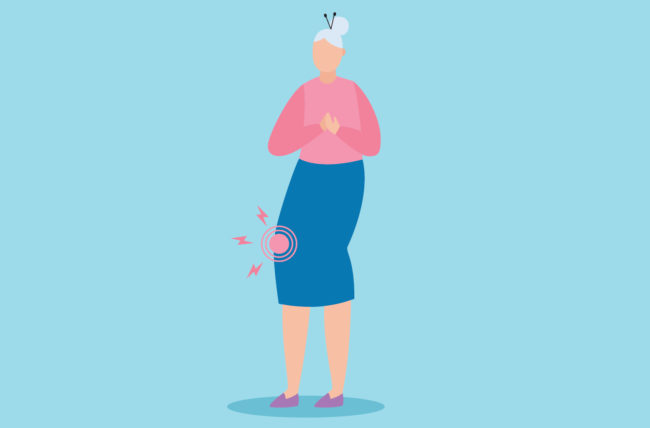
Osteoporosis and arthritis are two health conditions that can be difficult to diagnose because they share some of the same symptoms. Some of these include joint pain, loss of mobility, and limited or painful movement. If you have ever had either one or both, you know how unpleasant and painful it can be. If you have not had them before, or your family members have not had either one, you might be wondering how doctors differentiate between osteoporosis and arthritis.
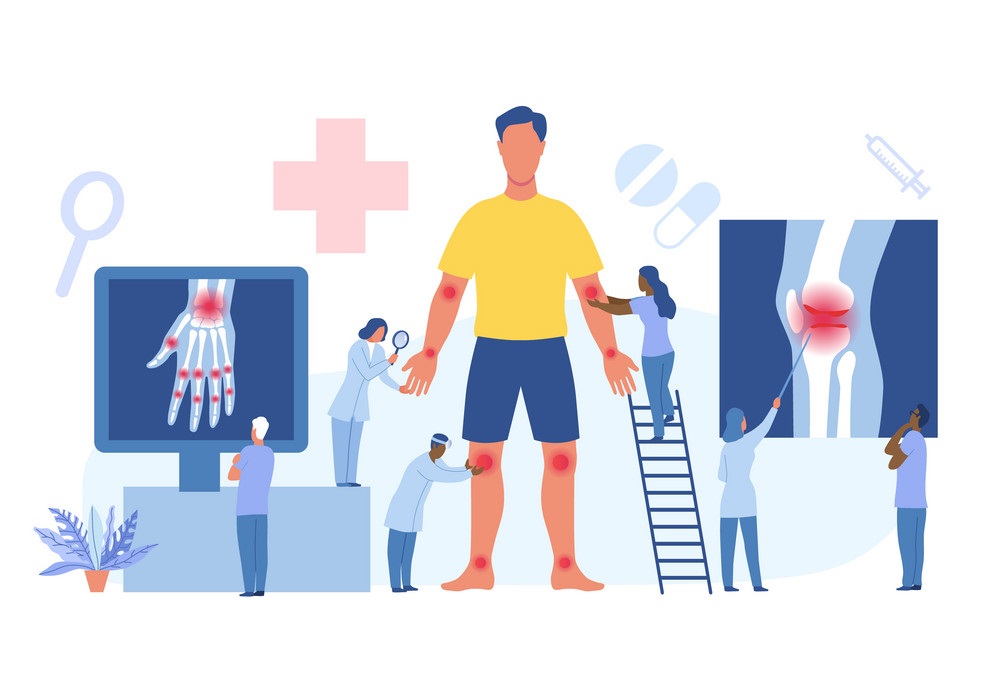
How Would You Differentiate Between Osteoporosis And Arthritis?

Source: VectorStock

We will show you some differences that can help you differentiate between osteoporosis and arthritis. We will also describe each condition in detail, along with their types. Let us get started.

What Is Osteoporosis?

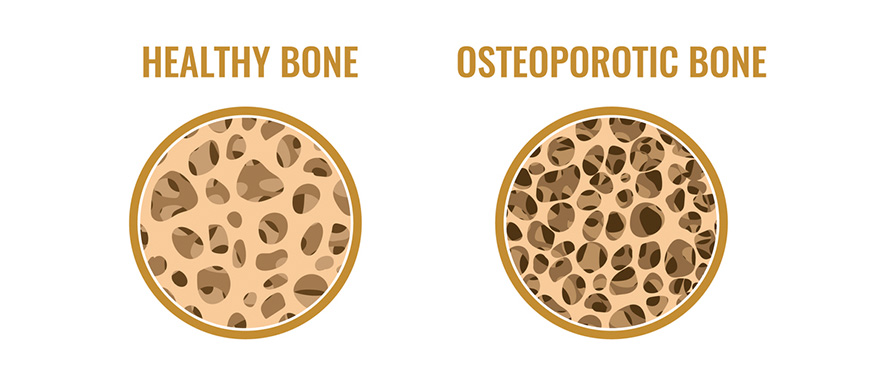
Osteoporosis is a disease in which the bones become thin and weak and break easily. This can happen after age 50, but it is more common in older women than men.

Older people are at greater risk because as we age, our bones naturally begin to lose calcium and other minerals. Osteoporosis causes this loss of minerals to increase at an abnormal rate. Over time, bones become increasingly fragile and break easily.

How Would You Differentiate Between Osteoporosis And Arthritis?

Source: VectorStock

Osteoporosis affects more than 10 million Americans — mostly older women — and accounts for about 1 in 5 fractures in American adults age 65 or older. More than 80 percent of all hip fractures result from osteoporosis or low bone mass, according to the National Osteoporosis Foundation (NOF). The NOF estimates that an additional 200,000 Americans will suffer hip fractures this year due to osteoporosis.

What Are The Types Of Osteoporosis?

Osteoporosis is a common condition that primarily affects older people, but it can also affect younger people who have certain medical conditions. There are two main types of osteoporosis: primary and secondary.

Primary Osteoporosis

Primary osteoporosis occurs when your body does not make enough new bone as you grow older. This type of osteoporosis is also known as senile osteoporosis or senile osteopenia. It’s more common among older men than women, and it is not life-threatening if you catch it early enough and take steps to prevent fractures.

Secondary Osteoporosis

Secondary osteoporosis occurs when there are other problems with your body that affect your bones. Some examples of secondary osteoporosis include Paget’s disease, hyperparathyroidism, and kidney failure (renal osteodystrophy). Secondary osteoporosis can be life-threatening if you do not get treatment right away.
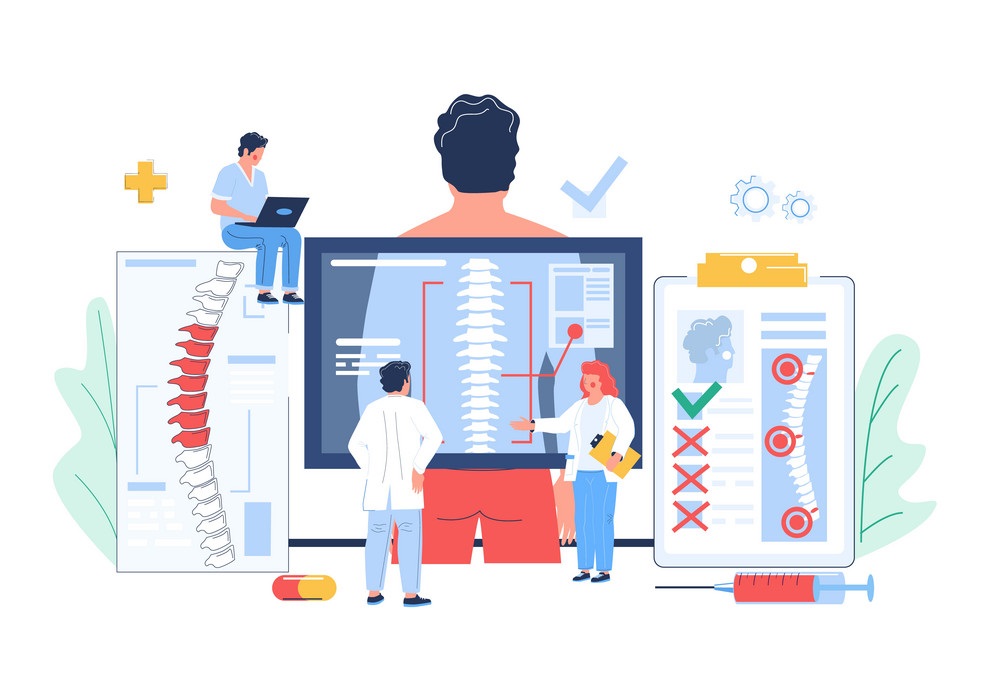
How Would You Differentiate Between Osteoporosis And Arthritis?

Source: VectorStock

Menopausal osteoporosis is also a common type of osteoporosis.

Menopausal Osteoporosis

Menopausal osteoporosis is characterized by bone loss that occurs as a result of menopause. It can lead to bone fractures, which can be painful and debilitating. The most common type of menopausal osteoporosis is postmenopausal osteoporosis (PMO), which occurs after the last menstrual period. The condition may also be called climacteric osteoporosis or senile osteoporosis.

Menopausal osteoporosis occurs when the body stops producing estrogen and progesterone, which are hormones that help maintain bone density. Without these hormones, the bones become fragile and more likely to fracture from a minor fall or other injuries. Menstruating women lose an average of 0.5% of their bone density each year until menopause, when bone loss accelerates between ages 40 and 60 years old.

What Is Arthritis?

Arthritis is a disease in which your joints — the places where two or more bones meet — become inflamed and swollen. The inflammation makes the joints stiff and painful. It occurs when a person’s joints are damaged, and the lubricating fluid that helps them move becomes less effective. Arthritis can be caused by injury, infection, or overuse of a joint. It can also be genetic (inherited), or it may occur when you are older.

How Would You Differentiate Between Osteoporosis And Arthritis?

Source: VectorStock

Arthritis is not contagious or caused by any one thing. You can’t catch it from someone else or give it to someone else. Arthritis results from damage to your joints that make it hard for them to move smoothly against each other without causing pain. Arthritis can affect any joint in your body, including your fingers, hands, wrists, hips, knees, ankles, and feet. It can also affect other connective tissues throughout your body like tendons, ligaments, and even muscles.

Arthritis is not just one disease; it’s actually an umbrella term for several types of joint problems that cause similar symptoms and are treated with similar therapies. Over time, people with arthritis may develop deformities such as bony spurs (small growths) on their joints as well as bone weakness and/or loss of cartilage (the hard tissue that covers the ends of bones).

What Are The Types Of Arthritis?

There are many types of arthritis. The most common types are osteoarthritis (OA) and rheumatoid arthritis (RA). Most cases of arthritis are osteoarthritis.

Osteoarthritis

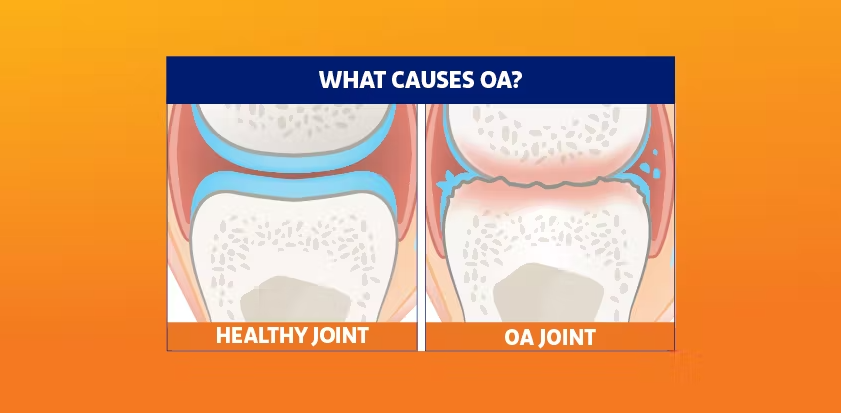
Osteoarthritis occurs when the cartilage within the joints wears away over time. Cartilage is a rubbery tissue that cushions bones where they meet at the ends of bones in a joint. It also helps with movement by allowing smooth gliding between bones. When cartilage breaks down, it causes pain and stiffness in a joint because bones can rub together more easily. Osteoarthritis usually develops gradually over time as a result of aging or injury.

How Would You Differentiate Between Osteoporosis And Arthritis?

Source: VectorStock

Rheumatoid Arthritis

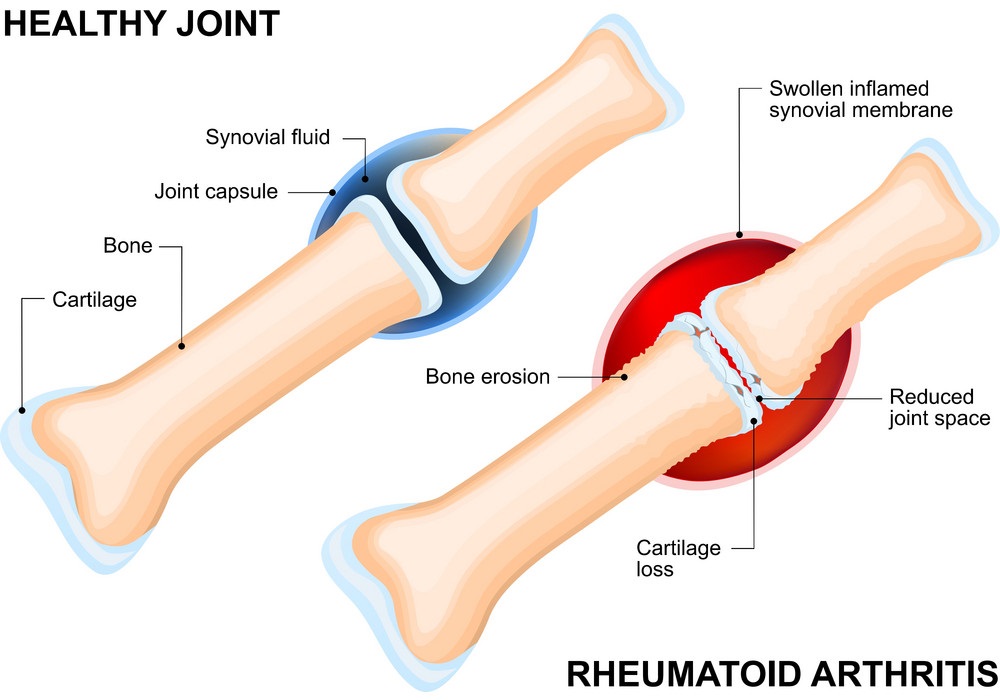
Rheumatoid arthritis is a chronic disease that causes pain, swelling, and stiffness in your joints. It also can affect other parts of your body, especially the skin, eyes, and lungs. The cause of rheumatoid arthritis isn’t known, but it most often develops after age 40. Women are affected more often than men.

Rheumatoid arthritis usually causes joint pain that is symmetrical — meaning it occurs on both sides of the body — although some people may have asymmetrical symptoms. Symptoms can range from mild to severe and last for weeks or months at a time before improving or worsening again.
How Would You Differentiate Between Osteoporosis And Arthritis?

Source: VectorStock

What Are The Differences Between Osteoporosis And Arthritis?

Osteoporosis and arthritis are two different kinds of diseases. Although they share some common characteristics, there are some major differences between the two conditions that make them very different from each other.

How Would You Differentiate Between Osteoporosis And Arthritis?

Source: VectorStock

Osteoporosis Arthritis
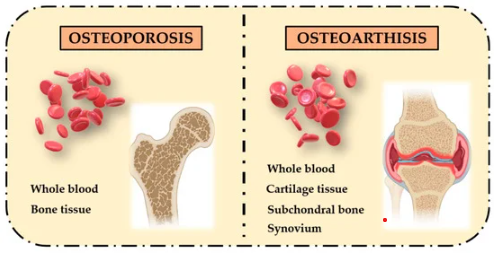
Osteoporosis is a disease that causes bones to become weak and fragile. The bones get thinner and can break easily, which can lead to pain and disability. Arthritis is a group of more than 100 diseases that cause pain, swelling, stiffness, and loss of function in your joints. There are many different types of arthritis.
Osteoporosis is a condition that leads to the weakening of bones to the point of fracture. Arthritis is a condition that leads to inflammation of the joints and surrounding tissues.
Osteoporosis affects bones primarily. Arthritis affects joints primarily.
Osteoporosis can lead to fractures. Arthritis can lead to loss of mobility and deformity.
Osteoporosis causes your bones to be more likely to break, often without you even knowing it. Arthritis causes pain, swelling, and stiffness in your joints.
Osteoporosis can be caused by genetics, age, smoking, and more. Arthritis can be caused by physical injury, obesity, genetics, stress, and more.
Osteoporosis can be treated with medications that slow its progress or even rebuild bone, but there’s no cure for the disease. There are several types of arthritis, each with its own cause and treatment.
Osteoporosis usually affects older people; most people with osteoporosis are 65 or older. But osteoporosis can affect anyone at any age. Arthritis does not just happen as you get older; it can start at any age.

Do Osteoporosis And Arthritis Have Anything In Common?

The answer is yes! In fact, they are closely related.
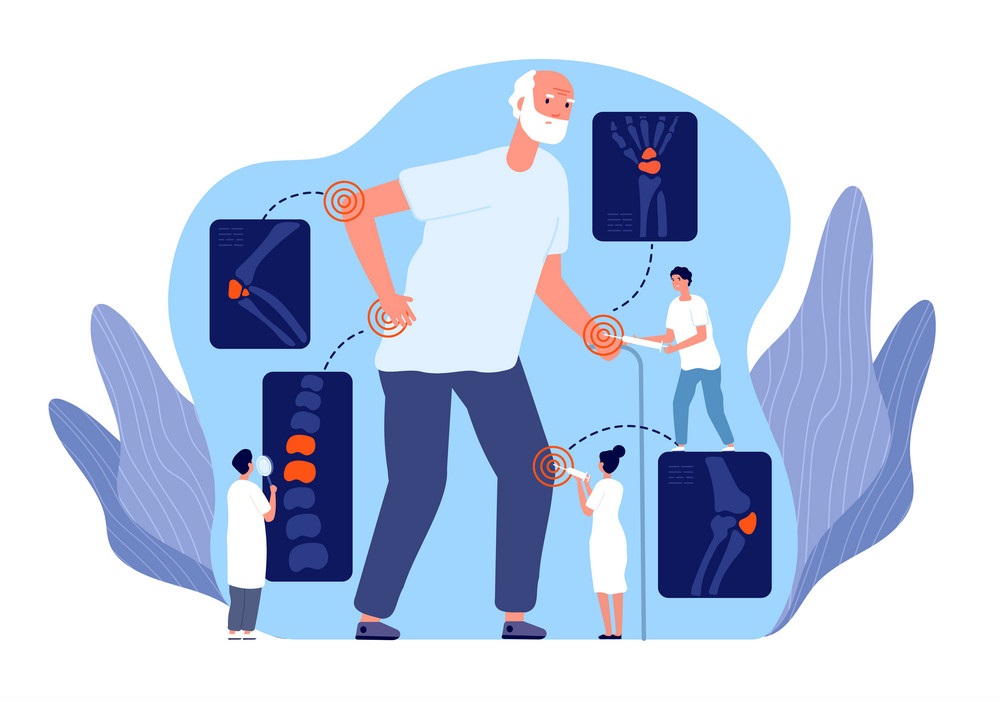
How Would You Differentiate Between Osteoporosis And Arthritis?

Source: VectorStock

  1. Osteoporosis and arthritis are both chronic conditions that cause pain and disability.
  2. Both conditions are more common with age. Both osteoporosis and arthritis can affect people of all ages but usually occur after age 50.
  3. They are much more common in women than men because women have thinner bones than men do at any given age; this makes them more prone to breaking when subjected to stress or trauma.
  4. Both conditions can affect any joints in the body and can cause pain and decreased mobility.
  5. Osteoporosis occurs when the body does not produce enough new bone tissue, causing the existing bone to become brittle and weak over time. Osteoarthritis happens when cartilage (the smooth tissue that covers the ends of bones) wears down over time due to repeated stress on the joints from everyday activities such as walking or lifting objects.
  6. Osteoporosis and arthritis are both conditions characterized by painful, debilitating joint issues.
  7. Both osteoporosis and arthritis can make it difficult for people to perform daily tasks or exercise.
  8. While osteoporosis and arthritis are not the same, they share many symptoms, such as;
  • Pain in your joints
  • Swelling in your joints
  • Stiffness in your joints

Conclusion & Takeaway

Osteoporosis and arthritis are two of the most common medical conditions in our country. They are both diseases that cause pain and can lead to long-term disability for those who suffer from them. The best way to treat either disease is with a combination of diet, exercise, and medication which are tailored to help alleviate your specific symptoms. Changes in lifestyle may need to be made if either disease is diagnosed. However, many people will be able to manage their osteoporosis or arthritis while still enjoying a fulfilling life.

How Would You Differentiate Between Osteoporosis And Arthritis?

Source: VectprStock

If you want to know more about the treatment options available for osteoporosis and arthritis, please feel free to contact us via WhatsApp at +1 832-862-3236 or visit our website to book an appointment with us.

We help people with endocrine disorders. Endocrine disorder treatments do not have to jeopardize your life. There is a better way – Houston Endocrine Center dedicates to delivering the best endocrinology care to provide patients with the quality of life they deserve.

How Would You Differentiate Between Osteoporosis And Arthritis?2022-09-28T14:38:26+00:00
20 07, 2022

How Does Vitamin D Counteract Osteoporosis?

2022-09-28T14:44:40+00:00

We all know that our bones are not as strong when we reach old age, but a lack of calcium is not the only reason for osteoporosis. The human body needs vitamin D to build bones.

As more people become aware of the importance of vitamin D in our body, it is no surprise there are more websites popping up all over the internet advertising a quick fix to use for bone pain or osteoporosis.

How Does Vitamin D Counteract Osteoporosis?

Source: Rozelle Medical Center

But how does Vitamin D counteract osteoporosis? How can you get vitamin D naturally? How can your body produce vitamin D on its own? 

We are going to answer all of these questions in our blog but before we move forward, let us give you a little introduction to osteoporosis and vitamin D.

What Is Osteoporosis?

Osteoporosis is a disease that causes bones to become thinner and weaker, which makes them more fragile and break easily. People who have osteoporosis are at greater risk of developing fractures, especially those that occur in the hip, spine, or wrist.

The condition occurs when too much bone is lost, and too little is made. This makes the bones weak and more likely to break.

Osteoporotic fractures most commonly occur in older people, but some younger people also develop this disease. It affects about 8 million Americans and about 44 million people worldwide. Women are four times more likely than men to develop osteoporosis.

How Does Vitamin D Counteract Osteoporosis?

Source: Cadelius

Osteoporosis usually develops slowly over many years, so you may not notice any symptoms until your bones begin to break. If not treated properly, osteoporotic fractures can cause long-term disability or even death.

Osteoporosis is different from osteopenia, which means “less bone” and refers to low bone mass or thickness. People with osteopenia have a lower risk of developing osteoporosis later in life than those with normal bone density readings do; however, they may still be at risk of fractures caused by falls or other accidents.

What Is Vitamin D?

Vitamin D is a fat-soluble vitamin that helps your body absorb calcium. Calcium is an essential mineral that keeps bones and teeth strong and healthy.

Vitamin D affects the health of almost every tissue in the body, from the intestines to the brain. It also boosts the immune system and helps regulate blood pressure, muscle strength, mood, and more.

The sun is the main source of vitamin D for people who live in temperate climates with little or no sunlight exposure. Other sources include foods like fatty fish, dairy products, mushrooms, and fortified cereals.

The two main forms of vitamin D are cholecalciferol (D3) and ergocalciferol (D2). Cholecalciferol is derived from animal sources, while ergocalciferol is extracted from plants. Both forms can be converted into calcidiol (25-hydroxyvitamin D) — the form used in tests for 25-hydroxyvitamin D — in the liver and kidneys. Calcitriol (1,25-dihydroxy vitamin D) is produced by the kidneys after calcidiol binds with a protein called 7-dehydrocholesterol in the skin or intestines.

How Does Vitamin D Counteract Osteoporosis?

Source: Health Shots

Vitamin D supplements are also available. These may be beneficial for certain groups of people who have low levels of vitamin D but don’t get enough from food sources or sunlight exposure.

In recent years, research has suggested that low levels of vitamin D may increase your risk of osteoporosis, heart disease, and cancer. The Institute of Medicine established an Adequate Intake (AI) level for adults up to 70 years old at 600 international units (IU) per day based on bone health alone. However, many experts now recommend an AI level twice as high — 1,000 IU per day — to improve overall health.

Why Is Vitamin D Important For You?

Vitamin D plays an important role in many body processes. It helps the body absorb calcium and phosphorus, which are essential for building and maintaining strong bones. Vitamin D also may help prevent osteoporosis, high blood pressure, cancer, and other diseases.

Vitamin D deficiency is linked to a number of health problems, including cancer and diabetes. In fact, some scientists believe that deficiencies could be responsible for up to 1 billion cases of illness worldwide each year.

Vitamin D is naturally present in very few foods, so most people need to get it through their diet or supplements. The National Academy of Sciences recommends that adults and children aged 19-70 take 600 international units (IU) of vitamin D daily. Women who are pregnant or breastfeeding should take at least 800 IU per day.

The best source of vitamin D is sunlight exposure to the skin. The UVB rays in sunlight convert precursors in the skin into vitamin D 3, which then travels through the bloodstream to the liver, where it’s converted into 25-hydroxyvitamin D (25(OH)D), the most commonly measured form of vitamin D in blood tests.

How Does Vitamin D Counteract Osteoporosis?

Source: Cloudinary

How Does Vitamin D Counteract Osteoporosis?

Vitamin D is known to be essential for bone health. It acts as a hormone, regulating the amount of calcium and phosphate in the blood. But how does vitamin D counteract osteoporosis?

Vitamin D helps prevent osteoporosis by increasing the amount of calcium absorbed into the bloodstream from dietary sources. It also increases the body’s ability to use calcium efficiently by helping the liver convert vitamin D into its active form, calcitriol, which regulates calcium absorption in the intestine.

Vitamin D deficiency has been linked to low bone mineral density (BMD), which puts you at risk for developing osteoporosis later in life. In addition, studies show that people with low BMD are more likely to have lower levels of vitamin D than those who don’t have low BMD.

Vitamin D deficiency is common in the United States, especially among older adults and those with darker skin. There are a few reasons why vitamin D deficiency rates are so high:

  • Older adults are more likely to have low levels of vitamin D because their bodies produce less of it after age 50, according to the National Institutes of Health (NIH).

How Does Vitamin D Counteract Osteoporosis?

Source: Health Essentials

  • People who live far from the equator (where sunlight is strongest) or live most of the time indoors are also at greater risk for low vitamin D levels.
  • In addition, some medications can interfere with vitamin D absorption and metabolism. For example, antacids can reduce their absorption. At the same time, some antibiotics may increase the production of an enzyme that breaks down vitamin D in the body — both of which make it harder for your body to use this nutrient effectively.

In fact, according to the National Osteoporosis Foundation (NOF), most people are deficient in this crucial nutrient. And while most people know they need calcium to build strong bones and prevent osteoporosis, fewer realize that vitamin D plays an equally important role in bone formation and maintenance.

Vitamin D And Bones

Vitamin D plays an important role in the growth and maintenance of healthy bones, teeth, muscles, and immune systems. It is found in very few foods, so most people get it from exposure to sunlight or dietary supplements. Vitamin D deficiency can result in rickets (in children) and osteomalacia (in adults).

Vitamin D is essential for the absorption of calcium in our bodies. Without enough vitamin D, bones can become thin, brittle, and misshapen as a result of weakened bone structure. This makes them more susceptible to fractures.

How Does Vitamin D Counteract Osteoporosis?

Source: Your Beauty Craze

In addition to helping bones absorb calcium, vitamin D also plays an important role in immunity by helping white blood cells fight off infections like the flu or colds. Because of this, some doctors recommend taking vitamin D supplements during cold and flu season to boost immunity against these viruses.

Vitamin D also has been shown to help prevent other diseases such as cancer, type 2 diabetes, and multiple sclerosis (MS). In fact, some studies have shown that people who take vitamin D supplements may be less likely to develop MS than those who don’t take them regularly.

How Much Vitamin D Do You Need?

The answer is it depends. The amount of vitamin D you need depends on your age and whether you are pregnant or breastfeeding.

The current recommendation from the Institute of Medicine (IOM) is that most adults and children older than 1 year should get 600 IU of vitamin D per day. For people over age 70, 800 IU per day is recommended, and for breastfed infants, 400 IU per day is needed. Pregnant and breastfeeding women need at least 600 IU per day until they’re weaned, at which point they should increase their intake to 1,000 IU per day.

But the IOM’s recommendation is based on a few assumptions that may not be correct. Here are a few things to consider when determining how much vitamin D you need:

  1. Your skin color affects how much sun you need to make vitamin D. The darker your skin, the more time you need in the sun to make vitamin D. The I2OM recommendation takes this into account by suggesting higher dosages for people with darker skin tones than those with lighter skin tones.
  2. You should take supplements if you do not get enough sun exposure or if you live in a northern climate where there isn’t much sunlight during the winter months (or both). If so, then your dose will be higher than 600 IU/day — perhaps closer to 1,000 IU/day.

How Does Vitamin D Counteract Osteoporosis?

Source: NBC News

  1. You might need more vitamin D if you are overweight or obese because extra fat cells store more vitamin D than leaner people do.

However, these amounts have been determined based on minimal levels necessary to prevent rickets in children living in northern regions where sunlight exposure is limited during the winter months. Recent studies suggest that we need higher amounts of vitamin D to counteract osteoporosis and maintain optimal bone health among adults who live at higher latitudes or who spend less time outdoors than those who live closer to the equator, where sunlight exposure increases throughout the year.

How Does Your Body Produce Vitamin D On Its Own?

Vitamin D comes from three sources:

  • Sunlight exposure
  • Foods that contain vitamin D
  • Supplements

The main source of vitamin D is sunlight exposure. In adults, the body can produce up to 10,000 international units (IUs) of vitamin D per day through exposure to sunlight. It is also found in fish, eggs, fortified milk, and other foods. However, most people in the US do not get enough of it from diet alone.

How Does Vitamin D Counteract Osteoporosis?

Source: CTFassets

Vitamin D can be produced by your body when you are exposed to sunlight. The ultraviolet rays from sunlight hit the skin and convert cholesterol into Vitamin D3. The liver converts a different form of cholesterol into 25-hydroxycholecalciferol, or 25(OH)D3. The 25(OH)D3 is then transported through the bloodstream to the kidneys, where it gets converted into 1,25-dihydroxy vitamin D or calcitriol. This form of vitamin D helps us absorb calcium from food and make sure our bones are healthy.

Vitamin D3 can also be manufactured artificially in a lab setting by exposing 7-dehydrocholesterol to ultraviolet light from a high-pressure mercury lamp or by exposing ergosterol to ultraviolet light from an electron beam lamp.

Symptoms Of Vitamin D Deficiency

The following are some common symptoms of vitamin D deficiency:

  • Back pain
  • Weak and aching bones
  • Infections
  • Muscle weakness
  • Muscle aches
  • Fatigue
  • Low mood
  • Sleep changes (insomnia)
  • Dental problems such as tooth decay or gum disease
  • Unexplained weight loss
  • Frequent cough and cold
  • Dry eyes and mouth
  • Pale skin and dark circles
  • Loss of appetite
  • Constipation
  • Dry skin

How Does Vitamin D Counteract Osteoporosis?

Source: Nu U Nutrition

In addition to the aforementioned symptoms, vitamin D deficiency can also lead to osteoporosis and osteomalacia. Osteomalacia is a bone disorder resulting in softening of bones and muscle weakness. This condition is caused when there is inadequate vitamin D and calcium in the body.

Vitamin D deficiency can also lead to rickets in children who are still developing their bones and muscles. Rickets causes softening of bones that leads to skeletal deformities such as bowed legs and knocked knees.

Conclusion & Takeaway

Being diagnosed with osteoporosis? There are side effects for you to change your life and pursue the nutrients that naturally occur in food and supplements. As higher levels of vitamin D counteract osteoporosis, among all other nutrients, vitamin D will be a great help to you.

Vitamin D does not directly contribute to the risk of osteoporosis, but it does enhance the absorption of calcium. Once in the body, vitamin D and calcium balance each other out. And when one becomes deficient, this is compensated for by an increase in the other.

If you are suffering from bone degeneration, you might want to consider taking supplements but do not know which supplement is best for you and your body. To solve your queries, endocrinologists at Houston Endocrine Center are always here to serve you. Be it your bones or any hormonal disorder, our healthcare providers take care of all your problems. If you want to consult our endocrinologists about your health issues, feel free to contact us at +1 832-862-3236 or visit our website to book an appointment with us!

How Does Vitamin D Counteract Osteoporosis?2022-09-28T14:44:40+00:00
15 07, 2022

Is There A Relationship Between Osteoarthritis And Osteoporosis?

2022-07-15T21:21:07+00:00

Is There A Relationship Between Osteoarthritis And Osteoporosis?

Source: Henry Ford Health 

There is no denying that osteoporosis is a very common condition while osteoarthritis(OA) is a relatively uncommon one. Thus, any negative association between them would seem even more improbable. Nevertheless, according to recent studies, there indeed exists a relationship between the two conditions.

If you are having joint pain, it could be caused by osteoarthritis or osteoporosis. This can be confusing because the terms sound vaguely similar, but they have different meanings. Let us discover the relationship between osteoarthritis and osteoporosis to avoid confusion and misunderstandings.

What Is Osteoporosis?

Osteoporosis is a condition in which the bones become thin and brittle, causing them to break easily. The bone loss that occurs with osteoporosis makes bones susceptible to fractures, particularly hip, spine, and wrist fractures. Osteoporosis affects an estimated 10 million Americans, most of whom are women.

Is There A Relationship Between Osteoarthritis And Osteoporosis?

Source: CreakyJoints.org

Osteoporosis can lead to significant pain and disability. It is associated with a greater risk of death from any cause than any other disease or condition among both men and women in their 50s and 60s.

Osteoporosis is defined as low bone mass that leads to increased bone fragility and an increased risk of fracture. When doctors speak of osteoporosis, they are referring to both low bone mass and fragility. The terms “osteopenia” and “osteomalacia” refer only to low bone mass without increased fragility.

What Causes Osteoporosis?

Osteoporosis occurs when you lose more bone than your body makes or when your body doesn’t absorb enough calcium from your diet to meet its needs.

Is There A Relationship Between Osteoarthritis And Osteoporosis?

Source: Monib Health

Bone loss is a natural part of aging, but if you do not get enough calcium from food or supplements, you’re more likely to develop osteoporosis.

If you smoke cigarettes or drink too much alcohol regularly, you are also at greater risk of developing the disease. And if someone in your family has osteoporosis — especially if it runs in their female relatives — they are at a higher risk of developing osteoporosis.

What Is Osteoarthritis?

Osteoarthritis (OA) is the most common form of arthritis. It results when the protective cartilage that covers the ends of bones wears down over time. Cartilage acts as a shock absorber between joints, allowing your bones to glide smoothly against each other.

Is There A Relationship Between Osteoarthritis And Osteoporosis?

Source:  Spine and Pain Clinics of North America

When the cartilage wears away, bone rubs directly against bone — causing pain, swelling, stiffness, and reduced range of motion.

Osteoarthritis affects people of all ages — including children and teens. But seniors are at higher risk for arthritis because as we age, our joints become more susceptible to injury and wear-and-tear.

Osteoarthritis most commonly affects joints in the hands, knees, and hips — but it can affect any joint in your body.

What Causes Osteoarthritis?

The cartilage is made up of cells called chondrocytes. These cells produce the protein collagen and other substances that keep your joints lubricated, healthy and stable. As you age, your body produces less of these lubricating substances, which can wear down the cartilage and cause osteoarthritis to develop. It is most common in people over 65 years old. The risk increases with age because the body becomes less efficient at repairing damage to cartilage over time.

Is There A Relationship Between Osteoarthritis And Osteoporosis?

Source:  GSK Health Partner

Some people may be genetically predisposed to developing osteoarthritis because they have inherited a faulty gene that makes it harder for their body to repair damaged cartilage.

Moreover, excess weight puts more pressure on your joints and decreases their ability to move smoothly, which may lead to osteoarthritis over time.

Differences Between Osteoarthritis And Osteoporosis

Is There A Relationship Between Osteoarthritis And Osteoporosis?

Source: HCA Healthcare UK

Osteoarthritis Osteoporosis
Causes Osteoarthritis is a degenerative joint disease that occurs as a result of wear and tear of cartilage on the joints. The cause is not entirely known, but it has been linked to heredity, obesity, and injury. Osteoporosis is caused by reduced bone mass, leading to fragile bones that fracture easily. This can happen due to a low intake of calcium and vitamin D or excessive use of alcohol.
Gender Osteoarthritis affects both men and women after middle age. Osteoporosis mostly affects older women after menopause due to decreased levels of estrogen causing bone loss.
Age Osteoarthritis affects mostly older adults — especially those over 65 years old. However, it can occur at any age if you have an injury or medical condition that puts extra stress on your joints (such as rheumatoid arthritis). Osteoporosis is not just for older adults. You can develop it at any age if you don’t get enough calcium and vitamin D in your diet or if you smoke cigarettes or drink excessive amounts of alcohol (which deplete your body’s vitamin reserves).
Ratio Osteoarthritis is more common than osteoporosis, affecting approximately 27 million Americans, with 60 percent being women. Osteoporosis is also common but not more than osteoarthritis.
Risk Factors The risk factors for osteoarthritis include obesity, prior injuries or surgery, and genetics. The risk factors for osteoporosis include low body weight and a family history of low bone density.
Symptoms The main symptoms of osteoarthritis include pain and stiffness in the joints, loss of function, joint deformity, swelling, and early-stage joint destruction. The main symptoms of osteoporosis experience bone pain, fractures, spinal curvature (kyphosis), and deformities in the body such as stooped posture or scoliosis due to weak bones.
Effects Osteoarthritis affects the joints. Osteoporosis affects the bones, making them less dense and weaker.
Treatments The treatment for osteoarthritis differs depending on the severity of symptoms. Non-steroidal anti-inflammatory drugs (NSAIDs) such as ibuprofen may be prescribed to reduce inflammation and pain caused by the condition. In severe cases, surgery may be required to repair damaged joints or replace them with artificial ones. For osteoporosis, medications such as bisphosphonates are prescribed to increase bone density and prevent further damage from occurring.
Avoiding Risk Factors You can reduce your risk of osteoarthritis by maintaining a healthy weight, protecting your joints, and staying active. You can reduce your risk of osteoporosis by maintaining a healthy weight, exercising regularly, and avoiding smoking and excessive alcohol use.

Similarities Between Osteoarthritis And Osteoporosis

Is There A Relationship Between Osteoarthritis And Osteoporosis?

Source: MDPI

1. Both Conditions Involve Bones

Both osteoarthritis and osteoporosis involve changes in bone structure due to a lack of nutrients or inflammation caused by injuries or infections. These changes can lead to weakness in bone tissue and an increased risk for fractures or breaks in the future.

2. Age

Age is one of the first things that people think about when it comes to these two conditions. The majority of people who develop osteoarthritis or osteoporosis are over the age of 50. This is because the body begins to lose bone mass and strength as we age, making it more likely for bones to break or fracture.

3. Gender 

Gender is another commonality between these two conditions. Men and women are equally affected by both osteoarthritis and osteoporosis, although there are some differences in how each gender experiences these diseases. For example, women tend to be diagnosed with osteoporosis at an earlier age than men do.

4. The Conditions Are Chronic

Both conditions are chronic, which means they do not go away on their own and need long-term treatment.

5. Both Can Be A Risk Factor For Each Other

Osteoarthritis can be a risk factor for developing osteoporosis because of its effect on bone health: The cartilage damage caused by the disease makes it harder for your body to absorb calcium from food sources, which can lead to bone loss over time if not treated properly. In addition, once your bones become weak from osteoporosis, it can make it more difficult for you to maintain good bone health.

6. Both Conditions Can Cause Pain

Both osteoarthritis and osteoporosis are characterized by joint pain. The pain is caused by the deterioration of the joints and surrounding tissues. The cause of this deterioration is unknown, but it can be attributed to aging, heredity, unbalanced nutrition, and lack of exercise.

7. Symptoms

There are several common symptoms associated with both diseases, including:

  • Pain in your joints that worsens with activity.
  • Stiffness when moving your joints (especially first thing in the morning).
  • Swelling or warmth around the affected joints.
  • A loss of range of motion (the ability to move your joints through their full range of motion).

8. Development And Progression

Each condition has risk factors that can speed up the development and progression of the disease.

Can You Have Both Conditions?

It sounds odd, but yes, you can have both conditions. Osteoarthritis and osteoporosis are two very different conditions that can affect the skeleton. However, they can both be present at the same time, which may make it difficult to diagnose and treat each condition separately.

The National Osteoporosis Foundation believes that osteoporosis can lead to an increased risk of developing osteoarthritis. In fact, about 50% of people with osteoporosis have a form of arthritis as well. But other experts believe that both conditions are separate from each other and should be treated separately.

Is There A Relationship Between Osteoarthritis And Osteoporosis?

Source: Quizlet

Osteoporosis is a disease in which your bones become weak, brittle, and more likely to break. Osteoarthritis is a degenerative joint disease characterized by joint pain and stiffness due to cartilage breakdown and damage. Both conditions are common in older adults.

When it comes to diagnosis, there are some similarities between the two conditions that make it difficult for doctors to know for sure if someone has osteoporosis or osteoarthritis. For example, both diseases can cause pain, swelling, and stiffness in the joints — making them hard to tell apart without testing. But there are also differences between the two diseases that can help doctors make a diagnosis.

Treatment Options Available For Osteoarthritis And Osteoporosis

Osteoarthritis and osteoporosis both have a broad range of treatment options. You may be able to reduce your pain and improve your quality of life with one or more of these treatments:

1. Non-Steroidal Anti-Inflammatory Drugs (NSAIDs) 

These drugs can help relieve pain. They include aspirin, ibuprofen (Advil, Motrin IB, others), and naproxen sodium (Aleve). Side effects may include stomach upset, heartburn, and bleeding ulcers. NSAIDs should not be taken by people with certain medical conditions or who are taking other medications that increase the risk of bleeding or ulcers.

2. Acetaminophen (Tylenol) 

This drug is another option for treating osteoarthritis pain. Acetaminophen has fewer side effects than NSAIDs but doesn’t work as well at relieving pain in some people. It is also safe for children over 2 years old and pregnant women at the recommended doses.

Is There A Relationship Between Osteoarthritis And Osteoporosis?

Source: Getty Images

3. Corticosteroid Injections

Corticosteroid injections can provide temporary relief from pain by reducing swelling in the affected joint. This can help patients to function better in their daily lives until more permanent treatments are available.

Things You Need To Take Care Of If You Have Osteoarthritis And Osteoporosis

Osteoarthritis and osteoporosis can lead to pain and disability. If you have both conditions or any of these conditions, it is important to treat them to prevent further damage. 

Here are some things you need to take care of if you have osteoarthritis and osteoporosis:

1. Weight-Bearing Exercise Is Important For Both Conditions

Weight-bearing exercise helps strengthen your bones and muscles, so they can support your joints properly. It also helps improve the range of motion in affected joints. You should include weight-bearing exercises in your daily routine even if your arthritis causes joint pain.

2. Tailor Your Diet For Each Disease

Your diet affects your overall health, and it can also affect how well each condition responds to treatment. For example, studies suggest that eating high amounts of calcium may reduce the risk of developing osteoporosis but may increase the risk of developing kidney stones in people who already have osteoarthritis or other diseases that affect kidney function. So if you are at risk for both conditions, talk to your doctor about how the diet might affect them individually and together.

If you have osteoarthritis, you may need to reduce your sodium intake or avoid foods high in fat and sugar because they can make symptoms worse.

If you have osteoporosis, eating foods rich in calcium and vitamin D can help keep your bones strong and healthy. You should also limit how much caffeine you consume because it increases calcium loss in bones.

Is There A Relationship Between Osteoarthritis And Osteoporosis?

Source: Monib Health

3. Make Sure You Know The Facts About Both Conditions

Knowledge is power when it comes to understanding your condition, so learn all you can about osteoarthritis and osteoporosis. The more information you have about these two conditions, the better equipped you will be to manage them effectively.

4. Do Not Let People Tell You That There Is Nothing To Be Done About Either Condition

Many people believe that osteoarthritis cannot be treated or cured, but this is simply not true; there are effective treatments available for both osteoarthritis and osteoporosis today!

Conclusion & Takeaway

The bottom line is that osteoarthritis and osteoporosis definitely appear to be connected to some degree. In order to understand the relationship between osteoporosis and osteoarthritis, it is important to understand what each condition is, who is at risk for developing them, and the treatments.

If you want to prevent both conditions or at least delay the onset of symptoms, it’s important that you eat a healthy diet and stay in good physical shape by exercising regularly. While there is no guaranteed solution, these steps may help reduce the effect of arthritis and osteoporosis on your joints and bones.

If you think you might have osteoporosis or osteoarthritis, consult our endocrinologist at Houston Endocrine Center. Our doctors will help you diagnose the disease and provide the treatment that is best suited according to your condition. We offer the best services to our patients with osteoporosis or bone mineral disorders. We care for our people and value the health of every patient that reaches us.

Is There A Relationship Between Osteoarthritis And Osteoporosis?2022-07-15T21:21:07+00:00
14 07, 2022

How Can I Avoid The Risk Of Diabetes?

2022-07-14T20:16:55+00:00

How Can I Avoid The Risk Of Diabetes?

Source: Apollo Sugar Clinics

Can you really avoid the risk of diabetes? The truth is that you can. You do not have to suffer from type 2 diabetes which is the most common form of it. Knowing how you can prevent this disease is important when you are serious about living a long time and feeling your best.

Type 2 Diabetes has many symptoms, varying from person to person. If you have Type2 Diabetes or symptoms, most likely, you will have fatigue and trouble with sugar control. Before we talk about prevention, let us understand who is at risk.

What Is Diabetes?

Diabetes is a disease that affects the way your body uses food for energy. Insulin, a hormone produced by the pancreas, helps your body convert sugar (glucose) from food into energy. But people with diabetes do not always produce enough insulin or can not use it properly for a variety of reasons.

Diabetes is a serious, lifelong disease. It can cause heart disease, stroke, blindness, kidney failure, and foot problems.

How Can I Avoid The Risk Of Diabetes?

Source: The Indian Express

In diabetes, the body’s blood glucose (blood sugar) levels are too high or too low. Glucose comes from the foods we eat and is a source of energy for our bodies. Carbohydrates are broken down into glucose during digestion. Our bodies use glucose for energy to do everything from breathing to running to thinking.

Blood glucose levels may rise if you have diabetes because your body cannot use blood glucose properly or make enough insulin to transport it into cells where it can be used as energy. This causes an increased risk for serious health problems over time.

Who Is At Risk Of Getting Diabetes?

1/3 of the world’s population has diabetes or pre-diabetes. It is a serious disease and has no cure. Diabetes affects people of all ages, but it is most common in middle-aged and older adults.

How Can I Avoid The Risk Of Diabetes?

Source: Laurel Health Centers

Risk factors for developing diabetes include:

Genetics

Type 1 diabetes usually begins in childhood, although it can develop later in life. The condition appears to be hereditary, although other factors are also involved. Genetics plays an important role in developing type 1 diabetes.

People Who Are Overweight, Especially Around The Middle

Being overweight or obese increases your risk of developing type 2 diabetes. Being overweight increases insulin resistance — the body’s inability to use insulin properly — which may lead to type 2 diabetes. Overweight people are more likely to develop type 2 diabetes than are people with a healthy weight range (BMI 18.5–24).

People With High Blood Pressure

High blood pressure (hypertension) increases your risk for type 2 diabetes by damaging your blood vessels. This can reduce their ability to deliver oxygen and nutrients to your body’s tissues, including your muscles, which may lead to fatigue, weakness, and weight loss. High blood pressure can be due to genetics or lifestyle choices, such as diet and exercise habits.

People Who Do Not Exercise Regularly

You should aim for 150 minutes of moderate exercise each week. You can do this by walking 30 minutes each day (or 10 minutes three times per day), swimming, biking, or dancing. Talk with your doctor before beginning an exercise program if you haven’t done much in the past year.

People With High Cholesterol

People with high cholesterol (hypercholesterolemia) are at higher risk for developing type 2 diabetes than people with normal cholesterol levels because high cholesterol can increase insulin resistance, making it harder for your body to use insulin effectively.

How Can I Avoid The Risk Of Diabetes?

Source: House Of Diagnostics

People With A Family History Of Diabetes

People with a family history of diabetes are at an increased risk of developing Type 2 Diabetes. If you have a parent or sibling who has Type 2 Diabetes, there’s a 25 percent chance you will develop the condition yourself. If both parents have Type 2 Diabetes, there’s a 50 percent chance you will develop it yourself.

Race And Ethnicity

African Americans are more likely than other races/ethnicities to develop type 2 diabetes because they tend to have higher rates of obesity and lack access to health care services that could help prevent or manage their condition. A family history of type 2 diabetes also increases an African American child’s risk of developing type 2 diabetes later in life — even if they are thin now!

People Who Smoke Or Drink Alcohol

Smoking and drinking alcohol are known risk factors for type 2 diabetes. The more you smoke, the greater your risk of developing type 2 diabetes, especially if you’re over 40 years old. Drinking too much alcohol also increases your risk of developing type 2 diabetes, particularly beer and wine.

Older People

The risk of developing type 2 diabetes rises with age, especially after age 45. As your body ages, it becomes less sensitive to insulin, and this leads to higher blood glucose levels.

Women Who Had Gestational Diabetes

Women who had gestational diabetes during pregnancy are also at greater risk for developing type 2 diabetes later in life. Gestational diabetes occurs when there’s too much glucose (sugar) in the mother’s bloodstream during pregnancy because her body isn’t using insulin properly during pregnancy.

Some Medications Can Put You At Risk For Diabetes

Steroids like prednisone, certain antibiotics such as metformin (Glucophage), chloroquine (Aralen), quinine (Qualaquin), tetracyclines like doxycycline, penicillin, and cephalosporins can all increase your chances of developing type 2 diabetes.

How To Avoid The Risk Of Diabetes?

How Can I Avoid The Risk Of Diabetes?

Source: Harvard T.H. Chan

Diabetes is a very common disease, but the good news is that it can be prevented and controlled. You can stay healthy and avoid the risk of diabetes if you follow the following tips:

Avoid Too Much Sugar

The first step in avoiding diabetes is to reduce your intake of sugar. Sugar can cause weight gain, which increases insulin resistance and leads to diabetes. Sugar comes in many different forms: fruit juices, sodas, cakes, and pastries are just some examples.

Follow A Healthy Balanced Diet

The second step to avoid the risk of diabetes is following a balanced diet rich in fruit and vegetables (at least five servings per day), low in fat, and with moderate amounts of carbohydrates (45-65% of total calories consumed). It’s also important to avoid any food that contains trans-fats or saturated fats, such as fried foods or fatty meats like pork loin chops or beef steaks.

Exercise Regularly

This is one of the best ways to keep your blood sugar levels healthy. Exercise helps to boost your metabolism and burn off excess fat cells that may be contributing to high blood sugar levels. It also helps strengthen your heart and muscles so they’re better able to handle stressors on the body — like performing tasks when you’re tired or stressed out — which can cause spikes in blood sugar levels in some people.

How Can I Avoid The Risk Of Diabetes?

Source: Everyday Health

Quit Smoking

Smoking is one of the biggest risk factors for type 2 diabetes because it causes damage to blood vessels and increases insulin resistance — which means your body needs more insulin to process glucose than usual. This increases your chances of developing type 2 diabetes or becoming more resistant to insulin treatment if you already have it. That’s why quitting smoking is an important step toward preventing diabetes.

Avoid Alcohol

Drinking too much alcohol increases your risk of developing type 2 diabetes because it can interfere with your body’s ability to break down glucose and use it for energy. It also increases your risk of becoming overweight or obese, which itself increases the risk of developing type 2 diabetes. You should not drink alcohol if you have been diagnosed with type 2 diabetes or have high blood pressure, as this will increase the risks associated with these conditions. If you drink alcohol, limit yourself to no more than one drink per day for women and two drinks per day for men (one pint of beer or cider; one glass of wine; or one measure of spirits).

Monitor Your Weight

Keeping your weight under control may help prevent type 2 diabetes. If you are overweight, losing even 5 percent of your body weight can reduce the risk of developing type 2 diabetes by nearly 50 percent. Even if you’ve already been diagnosed with type 3 diabetes, losing 5 percent or more of your body weight will help lower blood sugar levels and improve insulin sensitivity.

How Can I Avoid The Risk Of Diabetes?

Source: Everyday Health

Watch Your Blood Pressure

Keeping your blood pressure under control helps prevent heart disease and stroke. High blood pressure (hypertension) is one of the major risk factors for developing Type 2 diabetes. If you already have high blood pressure, this can also increase your risk of developing Type 2 diabetes. The increased pressure can damage your blood vessels and affect how they work, leading to other problems like stroke and heart attack. So it’s important to keep track of your blood pressure levels by measuring them at home with a device called a sphygmomanometer or at your doctor’s office every year or two.

Keep A Check On Your Blood Glucose

Your doctor may recommend that you test your blood glucose levels regularly if you’re overweight or have another condition known to increase the risk of developing Type 2 diabetes, such as high cholesterol levels, high triglycerides, or low HDL (“good”) cholesterol levels.

Avoid Weight Gain During Pregnancy And After Menopause

If you gain too much weight during pregnancy, your child will be at risk of developing diabetes later in life. If you gain more than the recommended amount during pregnancy, your child’s chance of developing adult-onset diabetes increases by up to 80 percent. Similarly, gaining weight after menopause increases your risk of developing diabetes. If you gain more than 10 pounds after menopause, your chances of developing diabetes increase by 50 percent.

How Can I Avoid The Risk Of Diabetes?

Source: Cleveland Clinic’s Health Essentials

Control Your Cholesterol Levels

Cholesterol is a fat-like substance that is carried in the bloodstream by molecules called lipoproteins. The two main types of lipoproteins are low-density lipoprotein (LDL) cholesterol and high-density lipoprotein (HDL) cholesterol. LDL cholesterol is known as “bad” cholesterol because it builds up on artery walls and can lead to heart disease and stroke. HDL cholesterol is known as “good” cholesterol because it helps remove LDL cholesterol from artery walls and transport it back to the liver for disposal through the bile ducts or intestines.

Drink Plenty Of Water Daily

About 8 glasses per day are recommended for adults. Water keeps the body hydrated and flushes out toxins from your system that might cause damage to your health in the long run if not flushed out regularly by drinking enough water daily while avoiding sugary drinks like sodas etc., which can cause more harm than good!

Avoid Stress

Avoid stress as much as possible because stress can lead to increased blood sugar levels due to increased cortisol production (a hormone secreted by your adrenal glands during times of stress), which causes an increase in blood sugar levels due to insulin resistance (insulin resistance occurs when cells no longer respond properly to

What Complications Are Caused Due To Diabetes?

How Can I Avoid The Risk Of Diabetes?

Source: PharmEasy

If you have diabeteshttps://houstonendocrinecenter.com/services/diabetes-education/, even if it’s well managed, your risk of problems related to the disease is much higher than for people who don’t have diabetes. Complications may include:

Heart Disease And Stroke

These are the leading causes of death among people with diabetes. They’re responsible for more than half of all deaths in people with diabetes. Heart disease occurs when fatty deposits build up in artery walls and narrow blood vessels (atherosclerosis). This makes it harder for blood to flow through the body. If a clot forms out of this narrowed artery, it can block blood flow to the heart or brain and cause a heart attack or stroke.

Kidney Damage

Diabetes can damage the kidneys over time, causing them to lose their ability to filter toxins and waste products from the blood. This leads to high levels of waste products in your urine (proteinuria) and eventual kidney failure if treatment doesn’t begin soon enough.

Eye Damage That Leads To Blindness

Diabetes can affect vision by damaging the small blood vessels that supply oxygen and nutrients to retina cells located at the back of your eye (diabetic retinopathy). This can lead to abnormal changes in vision such as blurriness or blind spots in one or both eyes — often without any warning signs.

Conclusion & Takeaway

You’ve heard the stats—that more than 29 million American adults have diabetes, that type 2 diabetes is on the rise among every age group, and that four out of ten people over the age of fifty have pre-diabetes. If you are one of them, you know the consequences can be devastating: kidney disease, loss of vision and circulation problems, heart attacks, and an increased risk of death. But those statistics should not prevent you from doing everything possible to avoid the risk of diabetes.

Alternatively, you can sidestep the chance of diabetes by taking charge now. By making some minor adjustments to your diet and lifestyle, you will be able to reduce excess weight and lower your blood glucose levels during the crucial ‘in-between’ period of 11-55 years of age.

Thanks for reading this blog. I hope you learned a thing or two. If you want to learn more about diabetes, I suggest you visit our website Houston Endocrine Center as we have so much information available for your guidance.

How Can I Avoid The Risk Of Diabetes?2022-07-14T20:16:55+00:00
8 07, 2022

Which Type Of Diabetes Requires 4 Shots Of Insulin A Day?

2022-07-08T19:49:54+00:00

Which Type Of Diabetes Requires 4 Shots Of Insulin A Day?

Source: Boston University

If you have diabetes, the world can seem like a scary place. There are all of these diabetes ins and outs, and it can be hard to keep up. And then there is the question of how many shots of insulin you need. This is a daunting question that can make even the best Type 1 Diabetics nervous. It is a confusing question, but there is one fact that is certain — you need your blood sugar under control.

Read this blog to learn more about diabetes if you are new to this disease and find answers to all your questions below.

What Is Diabetes?

Diabetes is a disease that causes high blood sugar levels. Insulin is a hormone that helps your body break down sugars and starches from the foods you eat into a form of energy you can use. When you have diabetes, your body can not make or use insulin correctly.

Diabetes can lead to serious health problems, including heart disease and stroke. But it is important to know that there are different types of diabetes, and many people with diabetes do not get serious complications.

You can control diabetes by eating healthy foods, exercising regularly, and taking medication as prescribed by your doctor.

Which Type Of Diabetes Requires 4 Shots Of Insulin A Day?

Source: Shutterstock

What Are The Types Of Diabetes?

There are four types of diabetes:

  • Pre-diabetes
  • Type 1 diabetes
  • Type 2 diabetes
  • Gestational diabetes

Which Type Of Diabetes Requires 4 Shots Of Insulin A Day?

Source: iStock

1. Pre-Diabetes

Pre-diabetes is a condition in which blood glucose levels are higher than normal but not high enough to be classified as Type 2 diabetes. Pre-diabetes is a significant risk factor for developing Type 2 diabetes, cardiovascular disease, and stroke.

The American Diabetes Association defines pre-diabetes as a condition in which blood glucose levels are higher than normal but not high enough to be classified as Type 2 diabetes. Pre-diabetes is often called “impaired glucose tolerance” or “impaired fasting glucose” (IFG). When diabetes occurs, the body becomes resistant to insulin and cannot properly use it to lower blood sugar levels. This leads to high blood sugar levels and the classic symptoms of diabetes: increased thirst and urination, fatigue, weight loss, and blurred vision.

Which Type Of Diabetes Requires 4 Shots Of Insulin A Day?

Source: BioSpectrum Asia

2. Type 1 Diabetes

Type 1 diabetes is an autoimmune disease in which a person’s immune system attacks their own pancreatic beta cells. This causes a shortage of insulin, which leads to high blood glucose levels (hyperglycemia).

Some people with type 1 diabetes need daily injections of insulin to stay alive. Others may be able to manage their disease with what is called “lifestyle management.” This means they monitor their blood glucose levels at home and make adjustments to their diet and exercise schedule as needed.

Which Type Of Diabetes Requires 4 Shots Of Insulin A Day?

Source: BioSpectrum Asia

3. Type 2 Diabetes

This type affects 90 to 95 percent of people with diabetes in the United States, and up to 17 million Americans have it — not just overweight adults but also children who are obese or have a family history of type 2 diabetes.

Type 2 is often called “adult-onset” diabetes because it usually develops after age 25. However, some people develop type 2 as teenagers or even younger children if they are overweight at an early age and carry too much weight their entire lives. It is more common among African Americans, Hispanics/Latinos, and Native Americans than among whites or Asian Americans.

Which Type Of Diabetes Requires 4 Shots Of Insulin A Day?

Source: Shutterstock

4. Gestational Diabetes

Gestational diabetes occurs during pregnancy and affects women who have never had diabetes before and who were not diagnosed with either type 1 or type 2 diabetes prior to becoming pregnant. Gestational diabetes usually goes away after delivery; however, some women will continue to have high blood glucose levels after delivery making them at risk for developing type 2 diabetes later in life if they do not make changes in their lifestyle habits now.

Which Type Of Diabetes Is Worst?

You might be wondering, “Which type of diabetes is worst?” There is no easy answer to that question. In general, type 1 diabetes can be more serious than type 2 because it requires daily insulin injections and a strict diet to manage. The good news is that with proper treatment and care, both types can be managed successfully.

Type 2 diabetes is often linked to obesity and poor eating habits. However, anyone can develop type 2 diabetes regardless of weight or age.

Insulin lowers your blood sugar levels by helping glucose enter your cells so they can use it for energy. If your body does not produce enough insulin or if the cells ignore the insulin that is present in your body, then glucose builds up in your bloodstream instead of entering cells where it belongs. This can cause serious health problems such as kidney failure, heart disease, and blindness if left untreated.

Which Type Of Diabetes Requires 4 Shots Of Insulin A Day?

Source: Mijn Gezondheidsgids

What Is The Most Common Treatment For Diabetes?

The most common treatment for diabetes is to take insulin. Insulin is a hormone that your pancreas makes and stores, but when you have diabetes, your body does not make enough or can not use the insulin it makes.

Insulin helps glucose (sugar) get into your cells to give them energy. Without enough insulin, too much sugar stays in your blood instead of going into the cells. This can lead to serious problems with your eyes, heart, kidneys, and nerves if not treated properly.

There are two main types of insulin: rapid-acting and long-acting.

  • Rapid-acting insulin starts to work within 15 minutes after injection, peaks at 30 minutes, and is out of your system by two hours.
  • Long-acting insulin takes longer to start working (one hour), keeps working between four and 12 hours, and is out of your system by 24 hours.

Are Insulin Shots Effective For People With Diabetes?

Which Type Of Diabetes Requires 4 Shots Of Insulin A Day?

Source: Diabetes Self-Management

Insulin shots are effective because they can be used to lower blood sugar levels faster than any other form of medication. However, they also have some side effects that you may want to avoid.

Insulin shots can be used when oral medications are ineffective or cause too many side effects. They are also helpful if your doctor wants to control your blood glucose levels more precisely than other medications allow.

Insulin shots are effective for treating diabetes in several ways:

  • They can lower blood glucose levels faster than other medications. This is an important advantage because low blood glucose levels can be dangerous if left untreated for too long.
  • They can help a person reach their target blood glucose level as prescribed by their doctor more quickly and easily than oral medications do. This is especially true when doses of insulin must be adjusted frequently throughout the day based on each person’s needs and circumstances.
  • They allow people with type 1 diabetes to achieve normal blood glucose levels without having to eat carbohydrates all day long every day in order to maintain these levels while avoiding high blood sugar spikes.

Which Type Of Diabetes Requires 4 Shots Of Insulin A Day?

The answer is type 1 diabetes.

Type 1 diabetes accounts for about 5 percent of all diagnosed cases of diabetes in children and adults. However, this percentage may be higher because many cases of type 1 diabetes are misdiagnosed as type 2 diabetes at an earlier stage of the disease.

However, there are other considerations to keep in mind. If you have type 2 diabetes and take insulin, it is likely that your insulin dosage will be adjusted based on your blood sugar levels and other factors.

In addition, if you have type 2 diabetes and take pills (not shots), the pills will control your blood sugar. But they do not control it as well as insulin does.

Is There Any Other Easier Diabetes Treatment Than Insulin Shots?

Insulin shots are the most common form of treatment for diabetes, but they aren’t the only option. If you are trying to manage your diabetes without shots, you have several options that are just as effective and significantly less painful.

Which Type Of Diabetes Requires 4 Shots Of Insulin A Day?

Source: EndocrineWeb

1. Insulin Pumps

In some cases, an insulin pump can be used in place of daily injections. This device is attached to a small catheter that’s inserted into your skin and connected to a small reservoir of insulin. The pump delivers small doses of insulin continuously through the catheter over a 24-hour period. The amount of insulin delivered by the pump varies according to your blood sugar levels and how many carbohydrates you eat during the day.

If you use an insulin pump, you’ll need to check your blood sugar levels frequently throughout the day and adjust your basal rate (the rate at which it releases insulin) accordingly. You may also need to check your blood sugar levels before meals so that you can adjust bolus rates (the additional amount needed after meals) appropriately. You’ll still need to test for ketones as well.

Which Type Of Diabetes Requires 4 Shots Of Insulin A Day?

Source: Diabetes UK

2. Insulin Pens

Insulin pens are a popular option for people with diabetes who use insulin. These small devices contain pre-measured amounts of insulin and a needle, which is inserted into the skin to deliver the medication. The pens have built-in safety features that prevent them from firing when they’re not properly attached to the skin, so there’s no risk of accidental needle sticks. They also allow users to dial in specific doses and administer them quickly.

Which Type Of Diabetes Requires 4 Shots Of Insulin A Day?

Source: Laboratory Equipment

3. Oral Diabetes Medication

Another option for treating diabetes is oral medications that stimulate your pancreas to produce more insulin. These drugs work by increasing the amount of glucose entering your cells, which helps lower your blood sugar levels.

Which Type Of Diabetes Requires 4 Shots Of Insulin A Day?

Source: Healthline

4. Injectable Glucagon

If you have diabetes and decide not to take insulin injections, glucagon can be used instead. It is an alternative treatment that works by raising blood sugar levels after a meal. This hormone is produced in the pancreas and released when the blood sugar gets too low. It helps control blood sugar levels by stimulating the liver to release stored glucose into the bloodstream. This can help prevent a hypoglycemic reaction if you have Type 1 diabetes or if your insulin dose isn’t enough to keep your sugar levels stable throughout the day.

Which Type Of Diabetes Requires 4 Shots Of Insulin A Day?

Source: Healthline

5. Sugar-Free Liquids

There are many different types of liquids that can be taken as part of a diabetes treatment plan. You can choose from juices, sodas, teas, and even milk substitutes that contain no sugar whatsoever. These beverages have been shown to be just as effective at controlling blood glucose levels as insulin shots, though not quite as effective as oral medications like metformin or glipizide.

Which Type Of Diabetes Requires 4 Shots Of Insulin A Day?

Source: Etech Global Services

6. Making Lifestyle Changes

You can also help control your diabetes by making some lifestyle changes. These include:

  • Exercise regularly. Exercise can help to lower your blood sugar levels and prevent complications from developing.
  • Eat a healthy diet that includes lots of vegetables, fruits and whole grains, low-fat dairy products, poultry, and fish. Avoid foods high in fat (such as fast food) and sugary drinks such as soda; these foods raise blood sugar levels quickly in people with diabetes and may cause weight gain over time as well.
  • Give up smoking and alcohol.

Which Type Of Diabetes Requires 4 Shots Of Insulin A Day?

Source: Diabetes UK

7. Intensive Insulin Therapy

If you are trying to manage your diabetes with diet and exercise alone — or if you are taking oral medications but still struggling with blood sugar levels — you may need more intensive treatment with injectable medications and/or insulin therapy. Intensive therapy generally includes multiple daily injections of insulin along with meal planning and exercise recommendations from your doctor. The goal of intensive therapy is to keep blood glucose levels as close to normal as possible, which will lower long-term complications like heart disease, nerve damage, and kidney failure.

Conclusion & Takeaway

In type 1 diabetes, your pancreas does not produce enough insulin that your body needs. The patient, who had type-1 diabetes, has to inject four insulin shots a day to maintain a metabolic balance that would otherwise be thrown off by the influx of sugar after eating.

Which Type Of Diabetes Requires 4 Shots Of Insulin A Day?

Source: Jake Dwyer, Michigan Medicine

People with diabetes have trouble extracting energy from the food they eat and are unable to control the amount of glucose in their blood. Your friends may assume you’re living a charmed life: after all, you have access to unlimited pizza and ice cream, right? Not quite. You see, every time you ingest 100 calories of carbohydrates—two slices of white bread or a cup of rice—your body turns them into 130 calories’ worth of glucose. In other words, there are about an extra 30 calories for you to store as fat.

If you are dealing with diabetes and requiring injections of insulin, our team can help. Endocrinologists at Houston Endocrine Center are diabetes experts and can prescribe the best treatment for you according to your requirements. If you do not want to get insulin shots daily, you can get our insulin pump management services which are easier and more effective than manual shots of insulin.

Which Type Of Diabetes Requires 4 Shots Of Insulin A Day?2022-07-08T19:49:54+00:00
8 07, 2022

How to prevent pre-diabetes from getting worse?

2022-07-08T18:44:16+00:00

How To Prevent Pre-Diabetes From Getting Worse?

Source: iStock

What is pre-diabetes? There is a lot of information out there, but most people don’t know that the medical name for pre-diabetes is “Impaired Glucose Tolerance.” In order to prevent this condition from progressing into full-blown diabetes, it’s important to treat and manage it effectively.

According to Medical News Today, “the American Diabetes Association estimates that 80 to 95% of those with pre-diabetes will develop Type 2 diabetes within five years if they remain untreated”. If you are a part of the pre-diabetes community, you might be thinking about how to prevent this horrific condition from getting worse.

What Is Pre-Diabetes?

Many people with pre-diabetes do not know they have it or do not realize the seriousness of the condition.

If you are at risk of developing Type 2 diabetes, you might have pre-diabetes. It’s a condition where your blood sugar levels are higher than normal but not high enough to be diagnosed with diabetes.

If you have pre-diabetes, it means your blood sugar levels are higher than normal. This can happen even if you don’t have any symptoms. But having pre-diabetes increases your risk of developing heart disease and stroke as well as getting Type 2 diabetes. These conditions can damage your body and make it more difficult to keep weight off.

Pre-diabetes is often called “impaired fasting glucose” (IFG) or “impaired glucose tolerance” (IGT). These terms describe blood glucose levels that are higher than normal but aren’t high enough to be diagnosed with diabetes.

How To Prevent Pre-Diabetes From Getting Worse?

Source: MedicineNet

Who Can Get Pre-Diabetes?

People with a family history of diabetes are at greater risk for developing diabetes. If you have a parent, brother, or sister with type 2 diabetes, your risk of getting the disease is about 10 times higher than if no one in your family has it. Once you have pre-diabetes, you are at greater risk for developing type 2 diabetes.

In addition to having a family history of type 2 diabetes, other factors that increase your risk include:

Age 

People who are older when they develop insulin resistance are more likely to go on to develop full-blown diabetes.

Race Or Ethnicity 

African Americans and Latinos are at higher risk than whites.

Obesity 

People with a body mass index (BMI) greater than 25 are more likely to develop diabetes. A BMI is calculated by dividing weight in kilograms by height in meters squared (kg/m2). A BMI between 18.5 and 24.9 is normal; 25 to 29.9 is overweight; 30 or greater is obese; 40 or greater is extremely obese, and 50 or greater is morbidly obese.”

How To Prevent Pre-Diabetes From Getting Worse?

Source: Practo

Symptoms Of Pre-Diabetes

The symptoms of pre-diabetes are similar to those of type 2 diabetes and include:

  • Increased thirst
  • Frequent urination
  • Extremely dry mouth
  • Unexplained weight loss
  • Blurry vision
  • Fatigue and weakness
  • Irritability and depression
  • Numbness or tingling of your hands or feet

What You Can Do To Prevent Pre-Diabetes From Getting Worse

How To Prevent Pre-Diabetes From Getting Worse?

Source: TCHD

The good news is that pre-diabetes is reversible. By making some lifestyle changes, you can help prevent your blood sugar from continuing to rise and reduce your risk of developing diabetes. Here are four ways to manage pre-diabetes:

1. Lose Weight

Exercise helps too. It also helps control your weight and can help you feel better about yourself. If you are overweight, losing even a few pounds will lower your blood sugar, blood pressure, and triglycerides (another form of fat in the blood).

2. Examine Your Diet

Choose foods that are low in fat and calories, high in fiber and nutrients, and moderate in sugars and sodium (salt). Focus on whole grains, fruits, and vegetables, lean meats, low-fat dairy products, nuts, and seeds. Limit processed foods that may have added sugars or fats. You should also aim for an overall healthy diet that includes lean proteins such as fish or chicken breast, which will help lower your blood glucose levels after meals.

3. Increase Physical Activity

Get active every day for at least 30 minutes — preferably more. Try brisk walking or other activities such as gardening or dancing that require moderate effort for that long period of time. You may need to increase the amount of activity over time as your fitness improves. Still, even small amounts can help reduce your risk of developing diabetes or worsening your current condition if you already have it.

4. Control Blood Pressure

High blood pressure can contribute to insulin resistance and increase your risk of developing type 2 diabetes. If you have hypertension (high blood pressure), work with your doctor to get it under control by exercising more and eating healthier foods that are low in salt and high in potassium (like fruits).

5. Avoid Foods That Are High In Sugar

Sugar is one of the biggest culprits when it comes to causing blood sugar levels to rise quickly and then drop even more quickly. The more sugar you eat, the higher your blood sugar will be. This can lead to pre-diabetes getting worse over time. To avoid this problem, you should avoid foods that have high glycemic indexes (GI). Foods with a high GI cause a spike in your blood sugar levels after eating them. Examples include white bread, white pasta, bagels, and cookies. Instead, opt for foods with a low GI like whole grains like oatmeal or brown rice, as well as fruits and vegetables which contain natural sugars but do not cause as much of an increase in blood sugar levels as processed foods do due to their fiber content.

How To Prevent Pre-Diabetes From Getting Worse?

Source: Healthline

6. Control The Fat Content In Your Diet

It is also important to control the fat content in your diet. Excessive amounts of fat can make it difficult for your body to process sugar properly, which can lead to insulin resistance and eventually diabetes. Try to keep your intake of red meat and fatty meats low while increasing your consumption of fish, chicken, turkey, and lean cuts of beef instead. You should also replace butter or margarine with olive oil when cooking or making salads; this will keep your heart healthy while helping reduce blood sugar levels at the same time!

7. Drink Plenty Of Water

Water is essential for good health, but it is especially important if you are trying to prevent pre-diabetes from getting worse. When you are dehydrated, your body will hold onto water because it thinks it needs more than normal. This causes your blood sugar levels to rise even higher than normal! So drink up!

8. Quit Smoking

Tobacco use increases your risk for heart disease, stroke, and other diseases that affect the heart, as well as lung cancer and breathing problems caused by smoking itself. If you smoke tobacco products or use other forms of nicotine such as chewing tobacco or snuff, talk to your doctor about quitting now — before diabetes develops.

9. Limit Alcohol Intake

Drinking alcohol can increase blood sugar levels by breaking down carbohydrates in your diet into sugar. The liver also turns any sugar it processes into fat instead of storing it as energy in muscle cells and other organs like the heart and liver because alcohol inhibits this process. This is why diabetics who drink regularly tend to see their blood sugar levels rise after drinking alcohol. If you do drink alcohol, limit yourself to one drink per day for women and two drinks per day for men (one ounce of hard liquor or 12 ounces of beer equals one drink).

10. Get Enough Sleep

Getting enough sleep each night is also a great way to prevent pre-diabetes from getting worse. Sleep allows your body time to repair damaged cells and tissues, which can help reduce inflammation throughout the body and improve insulin sensitivity. If you have trouble sleeping at night, try taking melatonin supplements or using blackout curtains on your windows to help promote better sleep quality.

How To Prevent Pre-Diabetes From Getting Worse?

Source: The Economic Times

When To See A Doctor?

There are several warning signs that you should see your doctor about pre-diabetes. If you have one or more of these symptoms and have had them for at least three months, see your doctor:

  • You have blurred vision or problems with your eyesight; this can be caused by high blood pressure.
  • You have numbness or tingling in the feet or hands; this may be a sign of nerve damage related to poorly controlled blood sugar levels.
  • You have a persistent thirst and/or frequent urination; this may be a sign of high blood glucose levels.
  • You experience unexplained weight loss or weight gain.
  • You feel tired and fatigued all the time.

How To Prevent Pre-Diabetes From Getting Worse?

Source: NDTV

Conclusion & Takeaway

If you have pre-diabetes, you are at risk of developing type 2 diabetes. Pre-diabetes is a condition in which blood sugar levels are higher than normal but not high enough to be diagnosed with type 2 diabetes.

Preventing the onset of type 2 diabetes is possible by making lifestyle changes such as eating a healthy diet and exercising regularly. If you already have pre-diabetes, early detection and treatment can help prevent the condition from progressing. Make sure that you are doing what you can to prevent pre-diabetes from becoming a full-blown diabetes condition.

Also, consult a doctor at your first if you experience any of the above-mentioned symptoms for a prolonged period. We at Houston Endocrine Center provide endocrine-related medical services. Our endocrinologist is an expert in diabetes and thyroid-related disorders. To book an appointment with us, visit our website or WhatsApp at +1 832-862-3236.

How to prevent pre-diabetes from getting worse?2022-07-08T18:44:16+00:00
6 07, 2022

15 Ways To Relieve And Reduce The Symptoms Of Thyroid Disorders

2022-09-28T14:39:59+00:00

Being diagnosed with a thyroid disorder can be one of the scariest things you have ever been told. The diagnosis can also lead to some of the most confusing topics that surround thyroid problems: hypothyroidism, hyperthyroidism, and different kinds of thyroid cancers. But what does it all mean? And what are some ways to relieve and reduce the symptoms of thyroid disorders?

Relieve And Reduce The Symptoms Of Thyroid Disorders

Source: VectorStock

There are many ways in which you can relieve and reduce the symptoms of thyroid disorders. The disease is usually caused by a problem with the Thyroid Gland. More than one in five Americans have some sort of autoimmune disorder, and these diseases are often painful, making them hard to treat.

What Is A Thyroid Gland?

Relieve And Reduce The Symptoms Of Thyroid Disorders

Source: VectorStock

A thyroid gland is a small gland in the neck that produces thyroid hormones, which regulate metabolism.

It produces the hormones thyroxine (T4) and triiodothyronine (T3). T4 is the main hormone your body uses to convert stored food into energy, while T3 is primarily used for normal body function and metabolism.

The thyroid gland is located at the base of the neck, just below your Adam’s apple. It is about the size of a pea when it is healthy. It surrounds your trachea, a tube that takes air from your lungs to your windpipe and also surrounds all of your lymph nodes.

Relieve And Reduce The Symptoms Of Thyroid Disorders

Source: VectorStock

Common Thyroid Disorders

If the thyroid gland becomes diseased, it can cause many symptoms that affect your daily life. The most common thyroid disorders include:

1. Hypothyroidism

Hypothyroidism is a condition in which the thyroid gland does not produce enough hormones to regulate metabolism and body temperature. It is usually caused by an autoimmune disease, but it can also occur as a result of surgery or radiation treatments to treat cancer. Symptoms include fatigue, cold intolerance, and depression.

Relieve And Reduce The Symptoms Of Thyroid Disorders

Source: VectorStock

2. Hyperthyroidism

Hyperthyroidism occurs when the thyroid gland produces too much hormone, causing your body temperature to rise and your heart rate to increase. This can lead to weight loss, and muscle stiffness since your muscles are working harder than normal to keep you warm. Hyperthyroidism is often caused by Graves’ disease (Graves’ ophthalmopathy).

Relieve And Reduce The Symptoms Of Thyroid Disorders

Source: VectorStock

3. Graves’ Disease

It is a condition in which an overactive thyroid gland causes inflammation of the eye muscles (ophthalmia). Graves’ ophthalmopathy occurs more commonly in women than men because women have more tissue around their eyes that could be damaged by Graves’ Disease.

4. Hashimoto’s Disease

This is an autoimmune disorder that affects one-third of patients with Hashimoto’s thyroiditis. It is an overactive autoimmune response to an increased number of TSH receptors on your thyroid cells. In some cases, this reaction may be triggered by exposure to certain foods or medications. Hashimoto’s disease can cause hypothyroidism (underactive thyroid) or hyperthyroidism (overactive thyroid).

5. Subacute Thyroiditis (SHT)

This condition occurs when there is a viral infection that causes inflammation in the throat, which affects your thyroid gland and leads to high levels of circulating TSH and low levels of circulating T4.

15 Ways To Relieve And Reduce The Symptoms Of Thyroid Disorders

It is important to understand that thyroid disorders are not just a symptom but rather a disease. Thyroid disorders can be caused by either an overactive thyroid or an underactive thyroid. If your symptoms include more than just fatigue and weight gain, it is time to see your doctor.

If you have a thyroid disorder, you may want to try some of these 15 ways to relieve and reduce the symptoms of thyroid disorders:

Relieve And Reduce The Symptoms Of Thyroid Disorders

Source: VectorStock

1. Eat A Balanced Diet

A balanced diet is the best way to prevent many thyroid disorders. The most important thing you can do is make sure you get enough of the right kinds of food. Including plenty of fresh vegetables and fruits is important for healthy digestion and an active metabolism that keeps your body functioning properly all day long! A healthy diet will also help manage your weight and keep your energy levels up, so you feel well-rested throughout the day instead of feeling sluggish or tired during the early hours of the morning before getting out of bed for work.

2. Eat Foods High In Iodine

Iodine is found in dark green leafy vegetables such as celery, broccoli, kale, and collard greens. It is also added to foods such as bread and cereals. Iodine deficiency can be associated with hypothyroidism, Hashimoto’s thyroiditis, and goiter (a swelling caused by an enlarged thyroid gland). Adults who want to improve their health should consume about 200 mcg of iodine per day (2 mg/day). You can get most of this amount from eating a varied diet that contains plenty of these foods.

3. Exercise Regularly

Exercise helps improve your metabolic rate by increasing the amount of energy your body burns at rest (known as basal metabolic rate). This will help increase your energy levels and make it easier to lose weight if needed.

Relieve And Reduce The Symptoms Of Thyroid Disorders

Source: VectorStock

4. Limit Coffee

Caffeine can deplete your body with the important mineral selenium, which is required for thyroid hormone production. Avoid coffee or tea if you have an underactive thyroid.

5. Get Plenty Of Rest

Sleep is important for thyroid function. A lack of sleep can cause a decrease in the production of thyroid hormones and an increase in the production of stress hormones. When you do not get enough rest, your body’s ability to produce hormones such as T3 and T4 will drop, which leads to hypothyroidism and hyperthyroidism. Try to get at least 7 hours of sleep each night, and try to avoid caffeine after noon. Caffeine can interfere with the body’s ability to produce thyroid hormones (which are made from the amino acid tyrosine).

6. Meditate

Meditating has been shown to help with many different conditions. It helps you relax, which will help your body heal itself. It also reduces stress, which means that it helps with all sorts of health issues like anxiety, depression, and more.

Relieve And Reduce The Symptoms Of Thyroid Disorders

Source: VectorStock

7. Do Yoga

Yoga is an effective way to reduce stress while increasing mental clarity and physical stamina. The poses help align your body and improve circulation, which helps regulate hormone levels in your body.

8. Cut Out Foods That Alter Thyroid Function

The thyroid gland makes thyroid hormones to control metabolism, body temperature, and overall health. If you have hypothyroidism or hyperthyroidism, your thyroid gland could be producing too much or too little thyroid hormone. This imbalance can lead to symptoms such as weight gain, dry skin, fatigue, and trouble sleeping.

To help reduce symptoms of hypothyroidism and hyperthyroidism, cut out foods that alter your body’s production of thyroid hormones. These include:

  • Processed meat, such as bacon and sausages
  • Red meat (beef)
  • Poultry with skin (chicken)
  • Eggs with yolks
  • Dairy products, especially processed dairy products (milk, yogurt, cheese)
  • Dried fruits, such as raisins and prunes
  • Soy products (soybeans)
  • Brazil nuts
  • Tofu with soybean oil or soy lecithin (not tofu made from whole soybeans)

9. Take Your Vitamins

Vitamins are essential for everyone but especially important for people with thyroid disorders because they help regulate metabolism and energy levels in the body. These vitamins include B12 (maintains healthy cells), D3 (helps support healthy red blood cell production), A (helps maintain healthy skin), and K2 (promotes healthy hair growth). It is also important to make sure that you are getting enough iodine in your diet as this mineral supports healthy thyroid function.

Relieve And Reduce The Symptoms Of Thyroid Disorders

Source: VectorStock

10. Avoid Alcoholic Drinks

Alcohol can damage the lining of your stomach and intestines by blocking hormones from being absorbed properly in your body. This can cause inflammation and damage to the cells lining these organs, like those that produce hormones such as T3 and T4 (which are produced by your thyroid gland).

11. Avoid Excess Stress And Stimulants (Like Caffeine)

Caffeine can have a direct stimulatory effect on the thyroid gland, causing it to secrete more hormones. Caffeine is also a diuretic, which means it can be dehydrating. This can lead to dry skin and hair, as well as fatigue. If you are feeling tired all the time, try cutting back on your caffeine intake.

12. Try Supplements (For Example, Fish Oil)

Some people use fish oil supplements as a natural way to treat their thyroid problems. Fish oil contains omega-3 fatty acids and other nutrients that are good for the body. These nutrients help normalize your immune system and reduce inflammation in your body. They also support regular cell turnover, which helps prevent skin problems like acne and wrinkles. In addition to helping with thyroid issues, fish oil may also help prevent hair loss or thinning hair by increasing blood flow to scalp areas.

Relieve And Reduce The Symptoms Of Thyroid Disorders

Source: VectorStock

13. Drink Plenty Of Water

The thyroid gland is responsible for regulating your metabolism and energy levels, so it is important to keep up hydration and avoid dehydration. A common symptom of hypothyroidism is dry skin, so it is essential to drink enough water each day to keep this from happening.

14. Eat More Protein

Protein is an essential nutrient for the body, but it can also help increase your metabolism and burn fat more efficiently, which can help ease symptoms of hypothyroidism. Make sure you are getting at least 0.8 grams of protein per pound of body weight each day — higher amounts are even better!

15. Avoid Fats

Avoid trans fats in your diet by choosing foods with the “zero” designation on their Nutrition Facts labels and checking out labels for hydrogenated vegetable oils such as canola oil, soybean oil, and cottonseed oil (these are often found in processed foods like cookies, crackers, and chips).

Conclusion & Takeaway

Thyroid disorders are quite common in today’s world. They are also known to be one of the most frustrating health issues that can occur due to endocrine system dysfunction. As such, there are many people who have been diagnosed with this condition despite not showing any symptoms less than the average person. If you do not know what your body is telling you, you may easily miss it because of the numerous symptoms they leave behind on your skin and in your blood tests.

To relieve and reduce the symptoms of thyroid disorders effectively where they appear in their early stages, it is necessary for you to follow some simple guidelines so as to make sure that they do not linger longer. By addressing these early signs and symptoms of thyroid disorders in a timely manner, you will find yourself feeling better sooner than later.

Relieve And Reduce The Symptoms Of Thyroid Disorders

Source: VectorStock

If you suspect you may have a thyroid condition, it is always best to consult a medical professional, so they can run tests to diagnose you properly. You can visit our website Houston Endocrine Center to book an appointment with our endocrine specialist. Please fill out the form, and our representative will shortly contact you with all the details of your appointment.

15 Ways To Relieve And Reduce The Symptoms Of Thyroid Disorders2022-09-28T14:39:59+00:00
1 07, 2022

What Is The Age Group That Uses Insulin Pumps The Most?

2022-07-01T19:23:20+00:00

If you are familiar with insulin pumps and how they work, you know that the newest features are incredibly useful to doctors and patients alike. However, there is one aspect of these pumps that most people don’t know about — the age group that uses them the most.

Age Group That Uses Insulin Pumps

Source: VectorStock

Diabetes is one of the fastest-growing diseases in the United States. Over 20 million people have been diagnosed with diabetes, and another 10 million reported having prediabetes. The number of people with type 1 diabetes has increased by more than 60% since 1999.

If you have ever wondered what age group uses insulin pumps the most, we have the answer. In this article, we are going to cover the answers to questions like what are insulin pumps, how they work, what are their benefits, and what is the age group that uses insulin pumps.

What Are Insulin Pumps?

Insulin pumps are medical devices that deliver insulin to the body. They are used to help control blood sugar levels in people with diabetes or to help them lose weight.

An insulin pump gives users a slower, continuous flow of insulin through a thin tube. Most pumps use a reservoir attached to the body filled with liquid and then pumped up through a needle inserted in the skin near the outer side of the thigh. Some pumps use an infusion set inserted into one of the veins in the arm. Both are medical devices that deliver insulin to the body.

Age Group That Uses Insulin Pumps

Source: Beyondtype1

Insulin pumps are important for people with diabetes because they help them manage their condition and prevent complications such as kidney disease, blindness, and amputations. There are various types of insulin pumps. They may be continuous or intermittent and can also be remote or mobile.

They can be used for either long-term or short-term use. A doctor often prescribes an insulin pump to treat diabetes for long-term use. Short-term use means using an insulin pump for less than 90 days.

How Do Insulin Pumps Work?

Insulin pumps work by delivering insulin to the body through a tube inserted under the skin in the abdomen or buttocks. The person wears a small device that continuously senses the blood sugar and delivers continuous, variable (on-demand) insulin doses based on the detected levels.

People with diabetes must monitor their blood sugar levels and take insulin injections throughout the day. The patient can choose to use an insulin pump or an insulin pen. People with a pump can control how much and when they inject, but they still need to review their blood glucose levels before and after meals.

Age Group That Uses Insulin Pumps

Source: Healthline

Bolus pumps are used to administer fast-acting insulin in response to a meal. Once the pump is activated, it automatically delivers a dose of insulin at regular intervals until the basal rate is reached (usually within 15 minutes) and the pump is turned off. The bolus dose rate can be changed to respond to meal-related blood sugar levels, but a basal rate must be set first. A basal rate sets the amount of insulin delivered per hour, giving a more gradual response to changes in blood sugar levels.

Self-monitoring of blood glucose (SMBG) is an important strategy used by people with type 1 diabetes to decrease the risk for diabetic ketoacidosis, which is a dangerous condition resulting from high blood sugars.

What Are The Benefits Of Using Insulin Pumps?

Insulin pumps enable people with diabetes to manage their condition by providing a steady and reliable supply of insulin. Using an insulin pump has many benefits, especially for type 1 diabetes management. However, many people do not realize the many benefits of using it.

Age Group That Uses Insulin Pumps

Source: VectorStock

Here are some unseen benefits of using an insulin pump for type 1 diabetes management:

  1. Insulin pumps are small and discreet. It is not too bulky like a syringe, and it is easy to carry around in your pocket or bag.
  2. Insulin pumps allow you to make adjustments on the go without waiting for a doctor’s appointment.
  3. The insulin pump helps you get the right amount of insulin at the right time, which is essential for managing your blood sugar levels well.
  4. You can wear an insulin pump 24/7 without worrying about wearing out or damaging it because it doesn’t require any batteries or external power sources.
  5. If you are physically active, the insulin pump will tell you when your rate of insulin is too high or low.
  6. If a doctor states that your body can no longer produce enough insulin, it is possible to use an insulin pump as a substitute for injections.
  7. The pump gives you the option to choose how and when to deliver the right amount of insulin without relying on your body’s natural process.

Insulin Pumps Are Excellent For Adults

For many adults, controlling their blood sugar is a top priority. Insulin pumps are excellent for adults because they allow you to control your blood sugar levels with the push of a button, as opposed to injecting insulin or using an insulin pen. They can help you stay on target for your diabetes or prediabetes goals and make a big difference in your life.

Age Group That Uses Insulin Pumps

Source: VectorStock

The blood sugar levels of people with diabetes can become dangerously high. This is because their bodies aren’t able to properly process glucose, the sugar in the blood. The result is that they get too much glucose in the body, and it builds up in the blood.

For most people with type 1 diabetes, this happens when they eat something that contains too many carbohydrates, such as pasta or bread. But for some people with type 1 diabetes, a problem called insulin resistance occurs. In this case, their bodies don’t produce enough insulin, which is needed to process glucose into energy for cells. In fact, it’s possible that your pancreas has stopped producing enough insulin altogether.

Insulin Pumps Are Often Used For Children As Well

Most people think of insulin pumps as a treatment option only for adults with type 1 diabetes, but they can also be used to regulate blood sugar in children.

Type 2 diabetes is caused by a combination of factors that includes genetics and lifestyle choices. Children may develop type 2 diabetes for the first time as they get older. If you have a child who has been diagnosed with type 2 diabetes, it’s important to know that there are treatment options available.

Age Group That Uses Insulin Pumps

Source: VectorStock

An insulin pump is one option for treating type 2 diabetes in adolescents and adults. Children often prefer the security that comes with a continuous glucose monitor and daily blood glucose monitoring. Still, some children also want the freedom of being able to adjust their doses on their own. An insulin pump provides these benefits while still allowing parents and children to work together towards achieving good control over their diabetes.

Pump therapy for kids is not just about controlling blood sugar levels — it is also about managing your child’s lifestyle and understanding how their body works. Using this technology, parents can better understand how their child’s body reacts to different foods and activity levels. Their child may need more or less insulin throughout the day based on their activity level or time spent sitting still in school.

Age Group That Uses Insulin Pumps The Most

The most common age group that uses insulin pumps is the young adults. This is because they have more health issues and are more likely to use a pump.

Insulin pumps are a great tool for those with type 1 or type 2 diabetes, but they are not just for older people. They can be used by anyone who has diabetes, and a recent study shows this is especially true for younger people with the disease.

Age Group That Uses Insulin Pumps

Source: VectorStock

Young Adults – Age Group That Uses Insulin Pumps The Most

The study, published in Diabetes Care, examined the use of insulin pump therapy among adults aged 20 to 64 years old with type 1 and type 2 diabetes in the United States. Researchers found that young adults — those from 20 to 24 years — are the age group that uses insulin pumps more often than older patients did. Adults aged 25 to 34 years also used insulin pumps at nearly double the rate of those aged 65 or older.

Moreover, this trend was consistent across all race/ethnicity groups studied. In addition, researchers found that while younger patients were using insulin pumps at higher rates than older patients, they were not necessarily using them exclusively. For example, roughly half of all 20-year-olds still relied on regular injections as well as their pump; another quarter used both types of therapy, and 10 percent relied exclusively on their pump only.

Conclusion & Takeaway

The age group that uses insulin pumps the most is anyone who needs an insulin pump! Young adults use insulin pumps more than children, but many children can still find them useful.

Insulin pumps can help people with many health issues and who need to take multiple medications simultaneously. For example, someone with diabetes may have to take their insulin, blood glucose monitoring test strips, and injections of other medication in one day. With an insulin pump, they can change the setting on their pump, so it only delivers the amount of insulin they need to keep their blood glucose at a certain level over time.

A person with diabetes can also use their pump to test how much insulin they inject into themselves during their meal or snack. This way, they know how much insulin they need to eat or snack on so they don’t overdose themselves on insulin or have low blood sugar levels after eating something that isn’t as healthy as they thought it would be (like candy).

In addition to helping someone manage their diabetes, an insulin pump is also helpful for people with other medical conditions such as high cholesterol or high blood pressure. If you are someone who may need insulin pump management, you can contact us at +1 832-862-3236 or book an appointment with us through our website.

What Is The Age Group That Uses Insulin Pumps The Most?2022-07-01T19:23:20+00:00
30 06, 2022

How Effective Continuous Glucose Monitoring Systems Are?

2022-09-28T14:34:55+00:00

The role of continuous glucose monitoring (CGM) systems in the management of diabetes are undeniable. But how effective continuous glucose monitoring systems are? The truth is, it is hard to know exactly what they can do because most of the studies were done on very large populations. The limited amount of research on the subject makes it almost impossible to determine exactly how much better CGM systems are compared to traditional blood glucose testing methods.

Effective Continuous Glucose Monitoring Systems

Source: VectorStock

If you are watching your blood sugar levels and taking medication for it, you may want to ask yourself how effective these systems actually are. Going by the numbers alone, continuous glucose monitoring systems looks pretty promising. But what happens when we look at some hard facts?

What Are Continuous Glucose Monitoring Systems?

Continuous Glucose Monitoring Systems are a great way to monitor your blood glucose levels throughout the day. They give you accurate updates on your glucose levels, and they can help you adjust your insulin dose accordingly.

You can use continuous glucose monitoring systems to adjust your insulin dose if you are having problems with your diabetes. These devices are worn around the wrist or stomach and provide real-time data about blood sugar levels. They usually come in the form of a small transmitter that is implanted under the skin, often in the shoulder or abdomen.

Effective Continuous Glucose Monitoring Systems

Source: VectorStock

It detects changes in glucose levels every few minutes and sends them to a reader for analysis. A finger-stick sample of blood is also collected at regular intervals and sent to the reader for analysis. The CGM monitor then displays the results on its screen, which glucometer strips or handheld devices can check. CGM monitors are very accurate in measuring blood glucose levels and have replaced older methods such as finger sticks twice daily (FBS), and finger sticks every 1-2 hours (FSIG).

The system also monitors trends over time so you can see how fast or slow your sugars are rising and falling over time. These trends can help determine whether or not you are producing enough insulin and controlling your diabetes properly so that it does not get worse over time.

Why Use CGM?

There are many reasons why we use CGM. Here are just a few:

  • To help you understand your glucose levels better. You can see how they change throughout the day and night, which is helpful in planning meals and snacks.
  • It improves glucose control in people with type 1 diabetes and those with poorly controlled type 2 diabetes.
  • To help you manage your blood sugar levels when you have diabetes. The goal is to keep your blood sugar levels between 70 and 140 mg/dl (4.4 and 7.7 mmol/l), but this isn’t always easy to achieve with diet only. By using CGM, you can get more accurate information about how well you are managing your diabetes, which will help give you a better understanding of what works best for you to keep your blood sugar in check over the long term.

Effective Continuous Glucose Monitoring Systems

Source: VectorStock

  • To help make it easier for people who have type 1 diabetes (T1D) to live full lives with no complications related to their disease. When someone has T1D, their bodies produce little or no insulin; therefore, it is important for them to monitor their blood glucose levels regularly throughout the day so they know when they need to take insulin or eat something with carbohydrates so that their body has enough insulin available to control their blood glucose levels properly.
  • It can help prevent hypoglycemia (low blood sugar) and hyperglycemia (high blood sugar), which occurs when a person eats quickly or doesn’t feel the symptoms of low blood sugar in time to eat something more suitable for the body’s current needs, like fruits and vegetables.
  • To help with weight loss as part of a healthy lifestyle program. CGM helps people better understand their bodies and how they react to different foods and activities so that they can make healthier choices for themselves without sacrificing enjoyment or convenience (which is what makes these programs so popular).

Benefits Of Using A CGM System

The benefits of using a CGM system are many. One of the most important ones are:

  • It allows you to track your glucose levels in real-time. It can show you trends over time. You can check how your body responds to different foods, exercise, and other changes in your life. It can also tell you how much food you need to eat to keep a steady blood sugar level.
  • You can also see the effect of certain drugs or supplements on your glucose levels. You can even monitor how different foods affect your blood sugar level. This information can help you make better food choices and take better care of your health.
  • The system can be used anywhere, anytime, without worrying about losing the sensor or having it disconnect from the device during use or when removing it from one’s body or clothing.

Effective Continuous Glucose Monitoring Systems

Source: VectorStock

  • Another benefit is improved self-management. If you know your glucose levels at certain times in the day, for example, it’s easier to stay within target ranges when eating and exercising. This could provide you with more flexibility in managing your diabetes and potentially improve the quality of life for people with type 1 diabetes.
  • The device alerts users when their glucose levels are too high or low, which makes it easier to manage diabetes. Studies have found that CGM systems can reduce the risk of complications related to diabetes by up to 50%. This includes cardiovascular disease, nerve damage, eye damage, kidney failure, foot ulcers (bed sores), graft versus host disease (GvHD), infections, and death from diabetic ketoacidosis (DKA).

How Effective Continuous Glucose Monitoring Systems Are?

Continuous glucose monitoring systems are extremely effective in helping people with diabetes manage their blood sugar levels. They can help you control your blood sugar, which helps prevent complications from diabetes.

Effective Continuous Glucose Monitoring Systems

Source: VectorStock

You can use a continuous glucose monitor to test your blood sugar at home every three hours. This will allow you to check whether your insulin is working properly and give you an idea of how much more insulin you need. It also eliminates the need for finger sticks between testing, making it easier to test multiple times during the day.

The device itself is easy to use and comes with an easy-to-read display that shows you how much insulin you need based on your current blood sugar level. You can also use the device to record other information such as weight, activity, and hydration levels.

How Can You Find The Most Effective Continuous Glucose Monitoring Systems?

The most effective continuous glucose monitoring systems are the ones that are simple, accurate, and easy to use. It should also handle any type of blood sugar test, including ones requiring multiple measurements in a single day.

The most effective continuous glucose monitoring systems will have a wide range of user-friendly and easy-to-understand functions. It can be used by people with diabetes who are new to the technology or those who may have difficulty reading their monitors manually.

A good continuous glucose monitoring system will provide users with data to track their health and prevent hypoglycemia (low blood sugar). It should also help them manage their diabetes through diet and exercise routines.

Effective Continuous Glucose Monitoring Systems

Source: VectorStock

Accuracy And Reliability Of Continuous Glucose Monitoring Systems

The accuracy and reliability of continuous glucose monitoring systems are important to consider. However, the continuous glucose monitoring systems are accurate, reliable, and easy to use. Accuracy refers to how closely the device’s readings correspond with the actual glucose levels in your blood. Reliability refers to how long a device can be used before it needs to be replaced or repaired.

Accuracy is an important factor for people with diabetes because they need their blood sugar levels to be as close as possible to those of healthy individuals. A sensor that consistently provides inaccurate results can lead patients to eat foods or take medications that are not appropriate or possibly even cause them stress over the results.

Reliability is also important for patients with diabetes because they may need repeated readings throughout the day, including before meals and at other times when blood sugar levels may vary from one reading to another. For example, suppose you have a high-carbohydrate meal after lunch but don’t test your blood sugar until dinner time. In that case, your glucose levels could still be elevated due to some insulin action during the afternoon hours (although this is not common).

What Are The Factors That Effect The Accuracy Of Continuous Glucose Monitoring Systems

Effective Continuous Glucose Monitoring Systems

Source: VectorStock

The accuracy of continuous glucose monitor is a matter of great concern to many people. While there are many factors that affect the accuracy of a CGM system, one of the main reasons for inaccuracy is the sensor itself. The sensor is able to measure glucose levels only if it is in contact with the blood sample. If there is no contact between the CGM and blood sample, then the readings will be inaccurate.

The biggest drawback with this problem is that it can occur even when you wear your CGM device properly. In fact, many people have reported that their CGM devices get detached from their skin due to sweat or even skin creases. This leads to inaccurate readings, which can sometimes lead to serious complications such as diabetic coma or hypoglycemic events (low blood sugar).

To prevent this problem, you need to ensure that your CGM device has been fitted correctly on your arm or leg and that it has been placed in an area where there is no movement from other parts of your body, such as the arms or legs. You should also try wearing it under clothing rather than just covering it with a shirt or sweater since sweat will still cause problems for your CGM sensor.

Standard Vs. Pro Continuous Glucose Monitoring Systems

There are two types of continuous glucose monitoring systems: standard and pro. Standard continuous glucose monitoring (SCCM) systems transmit data every 5 minutes, while professional continuous glucose monitoring systems transmit data every 30 seconds.

Standard Continuous Glucose Monitoring Systems

Standard continuous glucose monitoring systems also allow users to receive alerts when blood glucose levels reach dangerous levels. These systems are the most commonly used and come in two different forms: pre-insertion and post-insertion. Pre-insertion systems are worn on the body, while post-insertion systems are worn on the arm or leg. They measure glucose levels throughout the day, sending results to a receiver via Bluetooth technology or a wirelessly connected sensor.

The downside of these devices is that they require frequent calibration and cleaning, which can be difficult for patients who need help bathing or moving around. In addition, some users find them uncomfortable because of the way they’re attached to their bodies — often wrapped around their upper arm — which can limit movement during sleep or other activities.

Pro Continuous Glucose Monitoring Systems

These devices are typically worn on the arm or leg and measure glucose levels every five minutes, tracking data over longer periods of time than standard continuous glucose monitoring systems (20 hours). Users can also receive alerts if blood glucose levels reach dangerous levels. Pro continuous blood sugar monitoring systems use a small sensor that is inserted into a vein and transmits data wirelessly via Bluetooth technology or radio frequency (RF) signals to a receiver device carried by the user. These receivers can be worn on clothing or attached to a belt for convenience during testing times.

4 Most Effective Continuous Glucose Monitoring Systems

Anytime you get the chance to improve your health and wellbeing, it’s a good idea to do so. That is why continuous glucose monitoring systems are becoming more popular than ever. The most effective continuous glucose monitoring systems are those that have a long battery life, a large number of sensors, and the ability to alert you when your blood sugar drops too low. 

Here are four of the most effective continuous glucose monitoring systems available for people with diabetes.

Effective Continuous Glucose Monitoring Systems

Source: VectorStock

1. Dexcom G4 Platinum CGM

Dexcom G4 Platinum CGM is one of the top-rated continuous glucose monitors on the market today, and it offers a lot of great features that make it easy to use and configure. It has Bluetooth connectivity and an integrated receiver, meaning that users don’t need to wear anything on their arms to get accurate readings from their device. And because it uses a smaller sensor than other devices, this model is less invasive than its competitors — you don’t have to worry about putting something inside your body when using this system!

Effective Continuous Glucose Monitoring Systems

Source: VectorStock

2. Dexcom G5 Mobile CGM

The Dexcom G5 is a continuous glucose monitor that can be used during pregnancy and lactation. It’s the most popular continuous glucose monitor in the US, with a 90% market share. The G5 has an auto-on feature that automatically turns on and off based on blood glucose levels, which helps people adjust their insulin doses according to what works best for them. The G5 also has a low battery indicator that lets you know when it’s time to replace your sensor or recalibrate your meter.

Effective Continuous Glucose Monitoring Systems

Source: VectorStock

3. Omron HEM-724T

The Omron HEM-724T is another popular option for people who need a continuous glucose monitor while they’re pregnant or breastfeeding. It has advanced features, including an automatic calorie count and trend charting, which helps you make educated decisions about how much insulin you need based on how active you are and what foods you’re eating. The HEM-724T will notify you when your blood glucose level gets too high, so even if you forget to check it yourself — which is easy to do when you are busy — there’s no risk of over-insulinizing or under-insulinizing because of inaccurate readings from other monitors.

Effective Continuous Glucose Monitoring Systems

Source: VectorStock

4. Abbott FreeStyle Libre

The FreeStyle Libre system is a continuous glucose monitoring (CGM) system that is FDA cleared, and CE marked. The FreeStyle Libre is an easy-to-use system that has a built-in pump, sensor, receiver, and smartphone app that allows users to remotely track their glucose levels and share the information with family members or caregivers.

The FreeStyle Libre uses a disposable sensor that lasts for about three weeks before it needs to be replaced. It can be connected to the receiver via Bluetooth or wirelessly through the monitor. The receiver connects to your smartphone or tablet using Bluetooth or USB cable connection. You can also connect the receiver directly to your computer and upload data directly from it without having to connect it to your phone first.

Conclusion & Takeaway

Continuous glucose monitoring systems are a new way to keep track of your glucose levels. The monitoring system will track glucose levels for you, allowing you to know when you may become low and more prone to damaging your body. In addition to providing immediate feedback on blood sugar levels, effective continuous glucose monitoring systems can also alert users when their blood sugar level falls below a certain threshold, which can help reduce the risk of complications such as heart attack or stroke.

When it comes to continuous glucose monitoring (CGM), there are a variety of different options available. Many people want to know what the best system is and how it can be used to improve their health. 

Continuous glucose monitoring (CGM) systems have revolutionized the management of diabetes, allowing physicians and patients to track blood sugar levels without having to prick a finger or feel for symptoms in the morning. If you are looking for the best continuous glucose monitoring systems, you can visit our website and book an appointment with us.

How Effective Continuous Glucose Monitoring Systems Are?2022-09-28T14:34:55+00:00
28 06, 2022

What Is A Medical Weight Loss Program

2022-06-28T18:27:23+00:00

A medical weight loss program is exactly what it sounds like. It’s a regimen that combines medical assistance with diet, exercise, and behavior modification techniques to help you reach your weight loss goal.

What Is A Medical Weight Loss Program

Source: VectorStock

A medical weight loss program is a structured, medically supervised diet and exercise plan. Many programs are designed to help people who are obese lose a significant amount of weight that they cannot get rid of by diet alone or who have other health conditions that prevent them from losing weight through exercise alone.

A medical weight loss program is the most effective and long-lasting way to lose weight. To help you understand what a medical weight loss program is and why it is superior to other types of weight loss programs, we will start with an overview by looking at different diets.

Medical Weight Loss Program

A medical weight loss program is a program that is designed to help people with obesity lose weight permanently through diet and exercise. The programs can be very effective in helping people to achieve their weight loss goals.

Most medical weight loss programs are also designed to help people with other health problems such as diabetes, high blood pressure, heart disease, and high cholesterol.

The medical weight loss program aims to help you lose weight while maintaining or improving your overall health.

A medical weight loss program may include counseling by a registered dietitian (RD) who will teach you how to eat right and exercise effectively. You may also be asked to participate in an exercise program at a local gym or fitness facility.

What Is A Medical Weight Loss Program

Source: VectorStock

How Does A Medical Weight Loss Program Works?

Medical weight loss programs are not for everyone, but if you want to lose weight without changing your daily habits, medical weight loss programs can help.

Medical weight loss programs take a more scientific approach to weight management than other types of dieting. Instead of counting calories and limiting what you eat, they focus on boosting metabolism and reducing food cravings through exercise.

Some people have trouble sticking with a diet because they don’t feel full or satisfied after eating only small portions of food throughout the day. Medical weight loss programs combine healthy foods with moderate exercise, so your body has no choice but to burn fat as fuel instead of storing it.

A medical weight loss program is a series of dietary changes designed to help you lose weight. It is made up of three phases:

Phase 1: Detoxification

The first phase is detoxification. This is the most important step in any weight loss program because it will give your body a chance to rid itself of all the toxic substances it has accumulated over time. During this phase, you will need to eat low-calorie foods, drink plenty of water, and take daily supplements such as B vitamins, iron, and potassium. It would be best if you also exercised regularly during this phase. Your doctor may prescribe certain medications at this point if you are suffering from certain medical conditions.

Phase 2: Dieting And Exercise

After detoxification, you can begin your dieting and exercise program. In this phase, you will be eating low-calorie foods such as vegetables and fruits and protein-rich foods like fish or lean meats. You should also start exercising regularly; however, don’t overdo it! Start walking for 10 minutes a day and work your way up to 20 minutes per day by the end of this phase. You may want to join a gym or take up jogging or swimming if you want to burn more calories. This phase of the medical weight loss program will help you lose more weight than before because it involves dieting, exercise, and proper nutrition.

What Is A Medical Weight Loss Program

Source: VectorStock

Phase 3: Maintenance

Once you have reached your goal weight, it is important to maintain your new healthy lifestyle habits to prevent any weight gain from occurring again. Maintenance will include education about maintaining a healthy weight long-term and tools to help prevent future health problems from developing due to obesity.

Types Of Diets In Medical weight Loss Program

There are various types of diets in medical weight loss programs. These include:

1. Standardized Diet

The most common type of diet that is used for the treatment of obesity is the Standardized Diet. The Standardized Diet is a low-calorie diet that consists of a set amount of calories, usually less than 1500 calories, over a long period. This diet has been proven effective in treating obesity and other related conditions such as diabetes and heart disease.

2. Low-Fat Diet

A low-fat diet restricts fat intake to no more than 30% of total calories consumed per day. This diet can help reduce cholesterol levels and increase HDL (good) cholesterol levels. It should also be noted that many other benefits are associated with a low-fat diet, such as the decreased risk for heart disease, cancer, osteoporosis, and stroke.

3. Mediterranean Diet

The Mediterranean Diet is a healthy lifestyle plan that emphasizes fruits and vegetables, moderate amounts of fish, poultry, whole-grain products, and unsaturated fats (olive oil). The Mediterranean Diet has been shown to lower blood pressure, improve blood sugar control and reduce the risk for heart disease, among other benefits.

4. Low-Carbohydrate Diets

These diets limit the number of carbohydrates that you consume. For example, if you have a high carbohydrate diet, then this will increase your chances of developing high blood sugar levels. High blood sugar levels can cause diabetes and other health problems. So low-carbohydrate diets help to reduce this risk.

What Is A Medical Weight Loss Program

Source: VectorStock

5. Atkins

This is another type of diet that restricts carbohydrates in your daily meals. However, it also encourages you to eat protein and fat instead of carbohydrates because these foods are more filling than carbohydrates and do not raise blood sugar levels significantly after eating them as opposed to carbohydrates.

6. High Protein / Low Carbohydrate Diet

This type of diet restricts both fat and carbohydrate intake. Still, it encourages you to eat more protein for energy instead of carbohydrates for energy because it does not raise blood sugar levels as much as carbohydrates do when eaten together with them (see point 2 above).

7. Intermittent Fasting

Intermittent fasting is a popular dieting strategy that involves eating normally during a time, then fasting for the remaining time. The plan is to practice intermittent fasting without learning how to fast properly. This can be not easy because it is not easy to fast completely without water and food. At the same time, you mustn’t go too long without eating.

Who Can Benefit From A Medical Weight Loss Program?

Many people would benefit from a medical weight loss program. The best thing about these programs is that they are safe and effective.

A common misconception is that a medical weight loss program is only available to those diagnosed with a disease or condition. However, the truth is that many people with no other health conditions can benefit from joining a medical weight loss program.

If you are struggling with excess weight and have tried every diet under the sun, it is time to consider medical weight loss. If you are looking for a program that will help you lose weight fast, these programs are exactly what you need. You can get all the help you need from these programs, and they will get your body ready to lose weight in no time at all.

Medical diets are regulated by the government and approved by medical professionals. These diets help you lose weight without counting calories or restricting food intake.

Here are some of the people who can benefit from a medical weight loss program:

  • People who have struggled with their weight for a long time and have never been able to lose it.
  • People have tried other methods of losing weight but have not succeeded.
  • People who have lost weight on their own but want to go back up or stay where they are.
  • People who want to look better naked, both physically and emotionally.

How To Find A Weight Loss Program That Is Right For You?

If you want to lose weight, it is important to find a weight loss program that is right for you. There are many different options available, and it can be hard to know which one is right for you.

The best way to lose weight is by following a program that has been proven effective by science. The most effective programs are those that are based on sound nutrition principles and that also include physical activity.

What Is A Medical Weight Loss Program

Source: VectorStock

When choosing a program, it is important to look at the whole picture – not just how much weight you want to lose but also how much time you have available for exercise and other activities. It’s also important to look at the program’s cost and whether or not your insurance will cover it.

What Do You Need To Do?

The first thing that you need to do is figure out what your goals are. What do you want to accomplish? You should look into what kind of diet works best for people who have lost weight before, as well as diets that work best for people who want to maintain their weight.

Once you have figured out your goals, you can look at how much time it will take for them to be met and how much money it will cost. If your goal is to lose a couple of pounds, then an expensive diet may not be necessary. If your goal is more serious, though, then an expensive diet could be worth it because it could help keep the weight off longer than cheaper ones would have done.

Common Medical Weight Loss Programs To Choose From

What Is A Medical Weight Loss Program

Source: VectorStock

The most common medical weight loss programs include:

1. Nutritional Counseling

This involves talking to a doctor or nutritionist about your current eating habits, including how much you eat and when you eat it. The doctor may recommend reducing your calorie intake and increasing your exercise levels. You may also be asked to change your diet by cutting back on carbohydrates or increasing protein intake.

2. Medical Testing And Evaluation

Some doctors will order blood tests and other diagnostic tests to help determine if you have an underlying health condition causing your obesity, such as high blood pressure or high cholesterol levels. The doctor may recommend lifestyle changes like incorporating regular exercise into your daily routine or eliminating certain types of food from your diet altogether.

3. Behavioral Modification

This type of program teaches people how to change their behavior around eating and exercising habits. The goal is to help people make healthier choices regarding food and physical activity, so they will have less incentive to overeat or get sedentary.

4. Diet Pills

Diet pills come in pill form, but people also use other methods, such as patches and creams. These pills contain ingredients that reduce cravings for food, increase metabolism and help with weight loss by reducing appetite. They also increase energy levels and help burn fat more efficiently.

5. CBT (Cognitive Behavior Therapy)

This therapy is designed to help people change their unhealthy habits by focusing on the irrational thoughts that drive those habits, such as negative self-talk or the belief that you need to eat more than you should. It also helps people develop new healthy behaviors such as exercising regularly or making healthy food choices.

6. Diet Only

This weight loss program focuses on changing your eating habits and lifestyle to lose weight. You might be encouraged to cut out certain foods from your diet or eat smaller portions throughout the day to lose weight. Diet-only programs are often used for short periods, lasting anywhere from six months to one year, before switching over to another type of weight loss program.

7. Exercise Only

This program includes exercise as part of the overall plan but doesn’t offer any specific dietary recommendations or meal plans (other than eating healthier foods). The goal is to get moving more often to burn more calories.

Conclusion & Takeaway

A weight loss program is a structured approach that helps you eat healthier, lose weight, and have an overall healthier lifestyle. Weight loss programs can be expensive, time-consuming, and overwhelming.

Many people are too busy dieting and exercising to lose weight. They look for programs that promise quick weight loss. Unfortunately, these “quick fix” diets can cause harm to your health. A medically supervised weight loss program is the right choice for these individuals who want a safe and healthy way to lose weight. Medical weight loss programs help you lose weight safely and healthily—no diet pills or surgery required!

What Is A Medical Weight Loss Program

Source: VectorStock

The good news is that you don’t need to pay money or count calories to experience the benefits of a medical weight loss program. Many free weight loss resources are available today, but exercise and diet plans aren’t free—they cost real money.

You can also take our Medical Weight Loss program that guarantees visible results. Visit our website today to book your appointment with us!

What Is A Medical Weight Loss Program2022-06-28T18:27:23+00:00
Go to Top